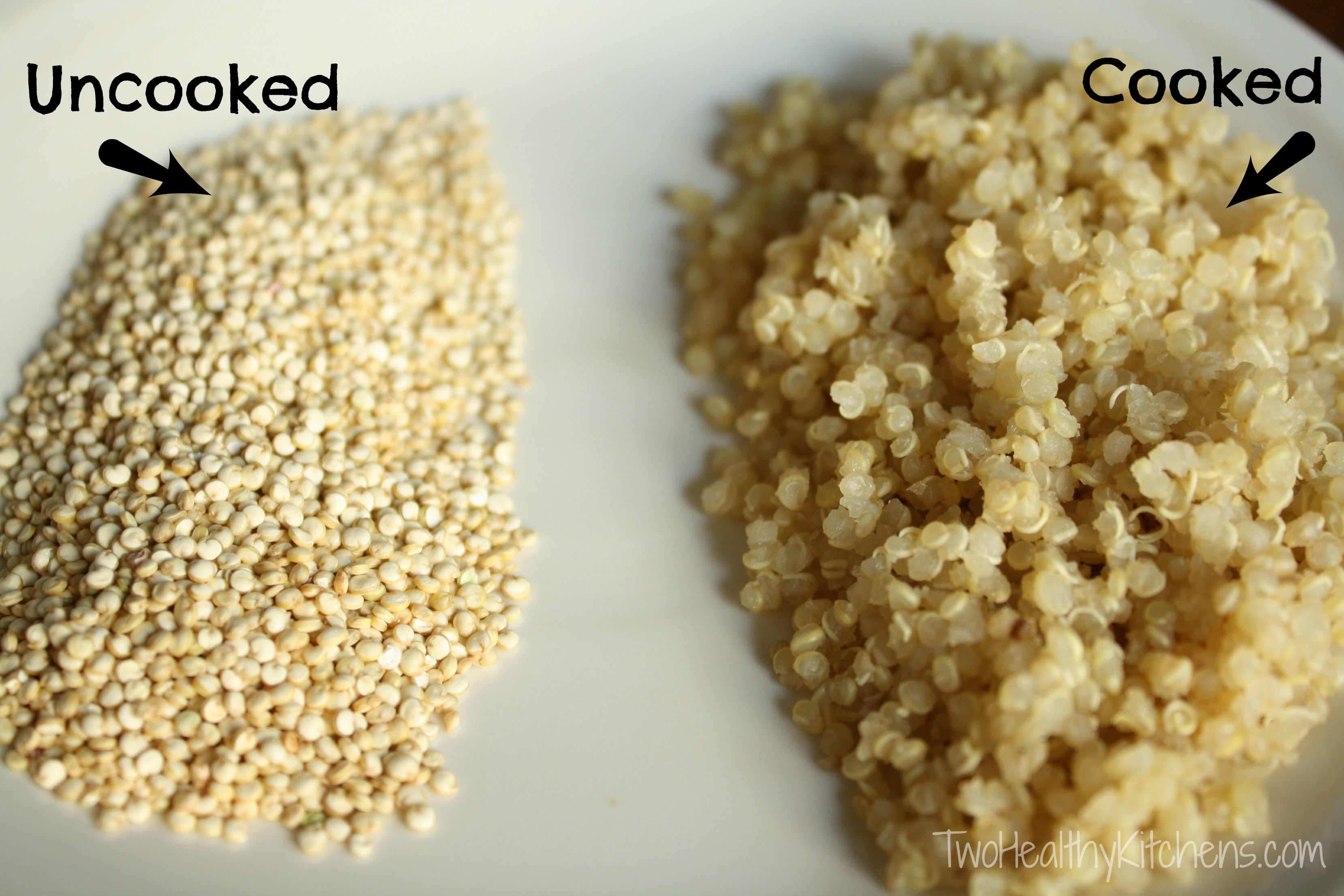
Let’s talk about the tiny, mighty seed that somehow becomes a feast. Quinoa—pronounced keen-wah, not kwin-oh-ah—has made a serious jump from health food aisle to kitchen staple. And the most common question? What happens to 1 cup of uncooked quinoa once it hits the heat and water.
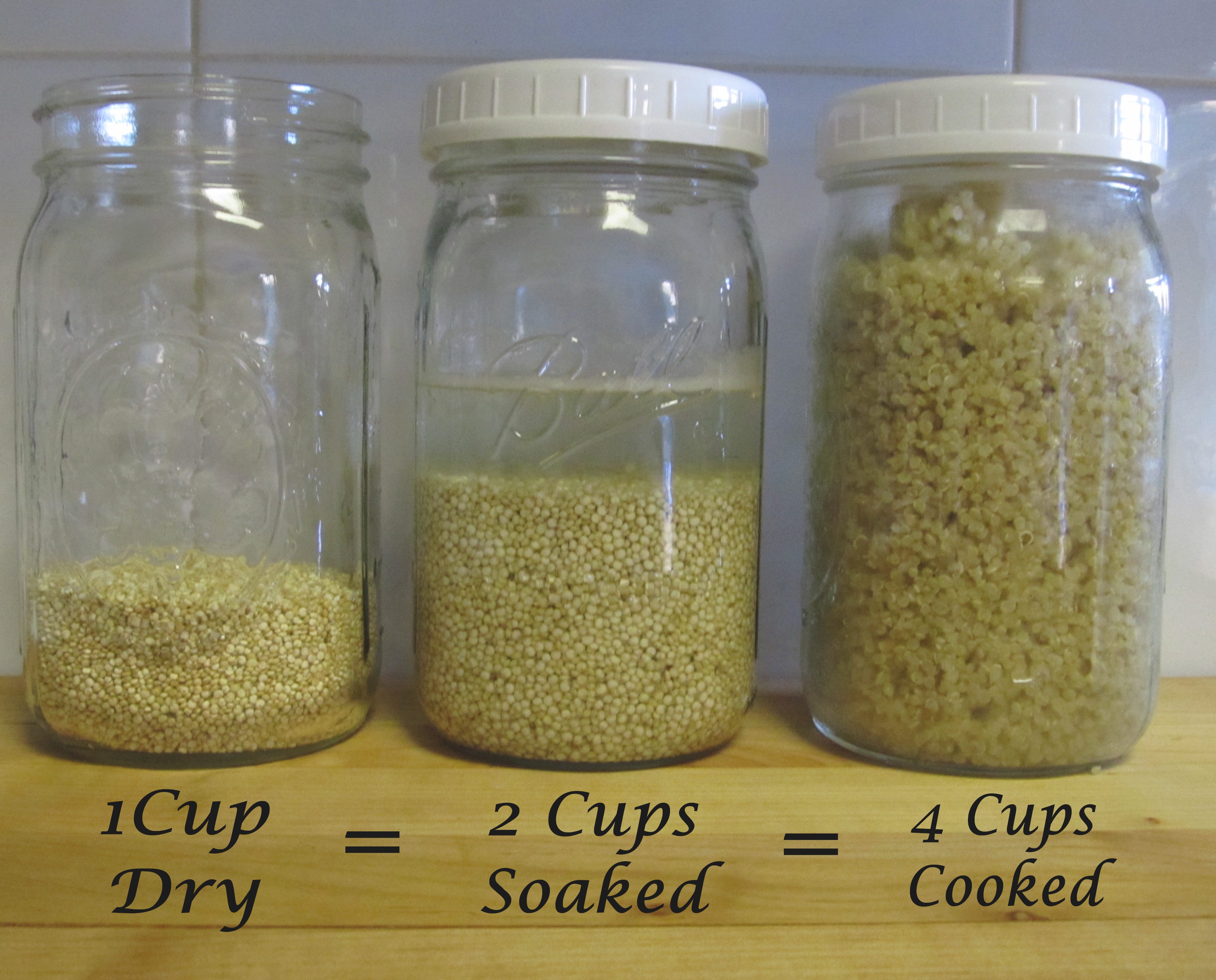
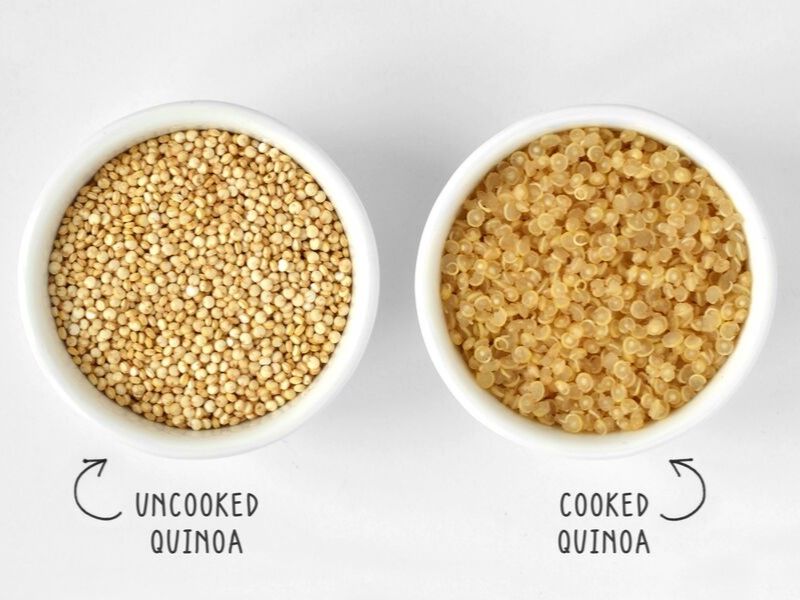
The short answer is magic. One cup of dry, uncooked quinoa transforms into roughly 3 cups of cooked quinoa. That’s a 3:1 ratio, a little kitchen miracle that feeds a small army or, more realistically, your meal prep for the next three days.
This tiny grain—actually a seed from the Chenopodium quinoa plant—behaves like a puffed-up pillow. It absorbs water, triples in volume, and turns into fluffy, nutty goodness. It’s basically the personal trainer of the grain world: small investment, massive return.
The Math of the Quinoa Swell
Let’s get the numbers straight, because nobody likes a soggy surprise. For every 1 cup of dry quinoa, you’ll need about 2 cups of liquid—water, broth, or even coconut milk for a tropical twist.
Bring it to a boil, then drop to a simmer, cover, and let it chill for 15 minutes. After that, fluff it with a fork. You’ll see those little white spirals—the germ—pop out, which is quinoa’s way of saying “I’m ready.”
This 1-to-3 ratio is your new best friend. Need a quick side for dinner? Half a cup uncooked gives you 1.5 cups cooked. Feeding a crowd? Start with two cups dry, and you’ll have six cups of golden, fluffy goodness.
The Golden Rule: Rinse First
Here’s a fun fact: quinoa naturally has a bitter coating called saponin. It’s the seed’s defense mechanism against birds, but it tastes like soap on your tongue. Always rinse your uncooked quinoa in a fine-mesh strainer under cold water for 30 seconds. Yes, even if the package says “pre-rinsed.” Trust the process.
The saponin is actually a fascinating piece of ancestral wisdom. The Inca people, who first cultivated quinoa in the Andes over 5,000 years ago, knew that washing it was non-negotiable. They also called it “chisaya mama”—the mother grain. So treat it with respect.
Skip the rinse and you’ll get a bitter bowl of regret. Do the rinse and you unlock a clean, nutty flavor that works with everything—from spicy black bean bowls to savory breakfast porridge.
Why This Ratio Changes Your Life
This isn’t just about cooking quinoa; it’s about always having a backup plan. When you know that 1 cup uncooked equals 3 cups cooked, you can meal prep like a pro. Cook a big batch on Sunday, and you’ve got ready-to-go protein for salads, stir-fries, or lazy burrito bowls.
 How to Correctly Cook Quinoa - Make Healthier Choices
Quinoa is a complete protein, meaning it has all nine essential amino acids. That’s rare in the plant world. It’s also packed with fiber, magnesium, and iron. So a single cup uncooked gives you a serious nutritional punch, spread over three servings.
Picturing a week without cooking? That’s the dream. Spoon cold quinoa into a bowl with cherry tomatoes, feta, and a drizzle of olive oil. It holds up in the fridge for five days without turning into mush. That’s the kind of friend you want in your kitchen.
Cultural Throwback: The Inca Superfood
Before it was a trendy bowl base, quinoa was the fuel of empires. The Inca civilization relied on it for energy during long marches and high-altitude farming. They even considered it sacred—the “gold of the Incas.” Today, it’s grown mostly in Peru and Bolivia, but it’s become a global star.
Fun fact: NASA once considered quinoa for space missions. It’s that efficient—tiny, lightweight, nutrient-dense, and it grows in your pot. Seriously, try not to feel like a space-age farmer when you see that fluffy expansion.
It also comes in colors: white, red, black, and tricolor. White is the fluffiest. Red and black hold their shape better for cold salads. Mix them for a visual feast that screams “I know what I’m doing in the kitchen.”
Practical Tips for Perfect Quinoa
Toast the dry quinoa in a pan for 2 minutes before adding liquid. This unlocks a nutty, toasty flavor that plain boiling misses. Just watch it—it can burn fast.
Use broth instead of water. Chicken, vegetable, or mushroom—it seeps into each seed and gives you flavor without extra work. Squeeze a little lemon juice at the end for brightness.
 How to Cook Quinoa Perfectly - Suburban Simplicity
Store leftover cooked quinoa in an airtight container. Press a paper towel on top before sealing? It absorbs extra moisture and keeps the quinoa fluffy, not clumpy. Game changer.
The Overflow Rule
Don’t panic if your pot looks too full. Quinoa expands, but it’s not as dramatic as rice. Use a pot with a tight-fitting lid and don’t peek too often. Steam is the secret to even cooking.
If you’re cooking for breakfast? Cook 1 cup quinoa in 2 cups oat milk with a pinch of cinnamon. You get a creamy, protein-packed bowl that makes oatmeal look like a beginner. Top with berries and honey, and you’re eating like an Inca king.
For sweet or savory, quinoa adapts. It’s a chameleon grain—neutral enough to carry any flavor, sturdy enough to hold its own. One cup uncooked becomes three cups of possibility.
Final Reflection: The Small Things
There’s something quietly profound about watching a dry, hard seed turn into a fluffy, nourishing meal. It’s a reminder that small things can become big things with a little time, heat, and patience. Just like the grain itself, we expand when given the right conditions.
That one cup of uncooked quinoa—it’s not just dinner. It’s a tiny lesson in potential. You start with something small, add care and intention, and suddenly you have more than you ever expected. Three times more, to be exact.
So next time you scoop that cup of dry seeds, remember: you’re not just cooking. You’re practicing a small act of transformation. And in a chaotic world, a little reliable math in the kitchen feels like the most comforting thing. Now go fluff that quinoa—you’ve got three cups of life ahead of you.