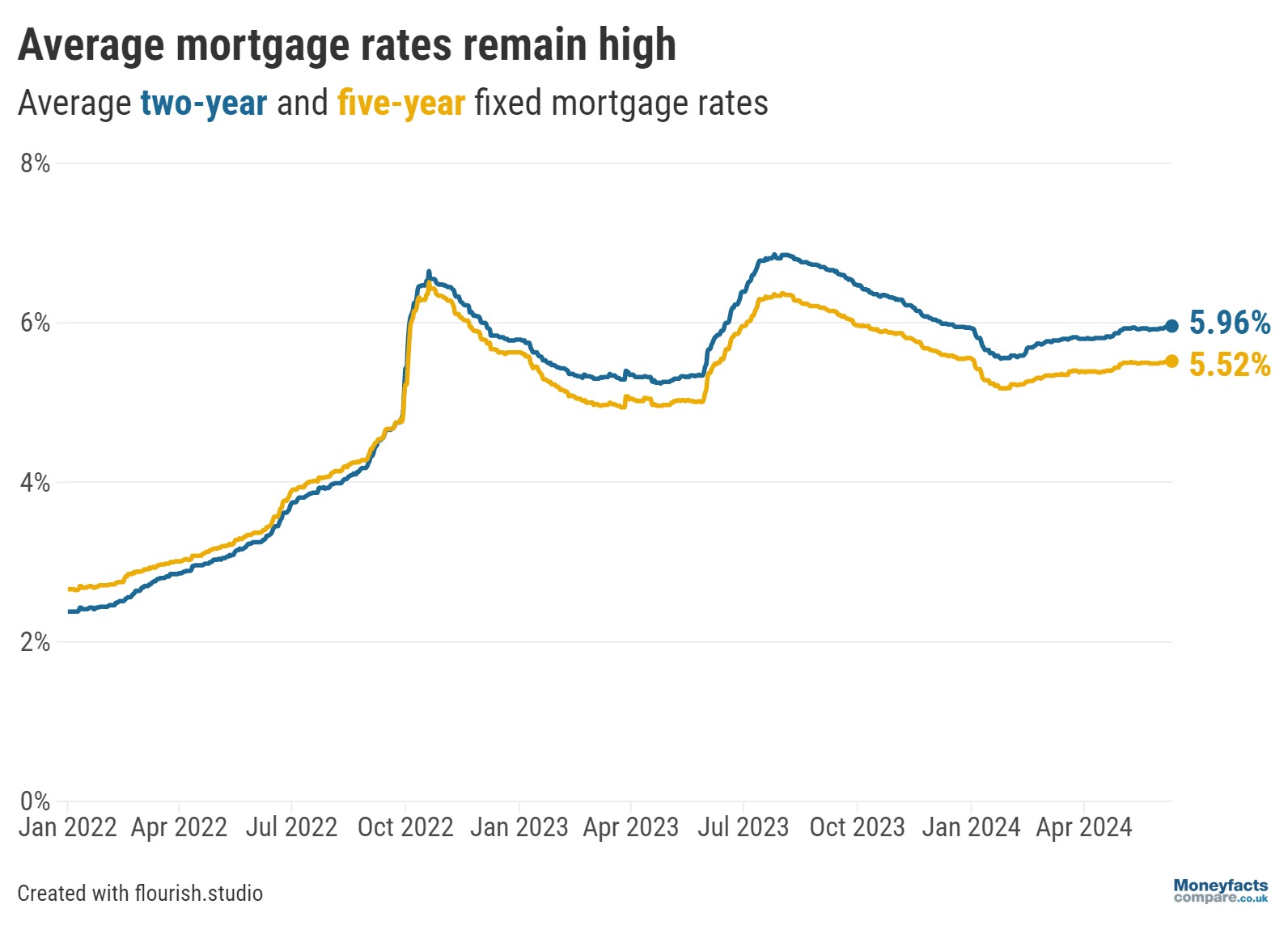
Let’s talk about mortgages. The two-year vs. five-year showdown. It’s like choosing between a sprint and a marathon—but with your wallet on the line. Buckle up.
The Big Question
Why does this even matter? Because your mortgage term decides your interest rate and your flexibility. It’s not just a number; it’s your financial personality test.
Do you love a steal today, or do you crave peace of mind tomorrow? Spoiler: there’s no wrong answer—just your own brand of crazy.
Must Read
The Two-Year Tango
Two years sounds fast. It’s like a Netflix binge—over before you know it. You lock in a low rate, but only for a blink.
Here’s the twist: after two years, you renew. That’s right; you dance with the bank again. If rates dropped, you win. If they soared? Ouch. It’s a gamble, but a thrilling one.
Quirky fact: two-year mortgages are the wild child of the mortgage family. They’re for risk-takers who live on the edge. Think of it as the “I’ll figure it out later” vibe.
The Five-Year Fortress
Five years is comforting. It’s like a cozy blanket in a chilly economy. You pay a slightly higher rate, but nothing changes for half a decade.
This is for planners. People who meal-prep on Sundays and actually floss. Your payment is predictable, like the Mrs. Smith across the street—boring, but reliable.
Funny detail: in some countries, choosing a five-year term makes you a veteran. Banks basically hug you. You’re their favorite customer, because you hate change.
The Rate Game
Rates are messy. They zigzag like a caffeinated squirrel. Right now, two-year rates are often lower than five-year rates—a sweet trap.
 Mortgage rate cuts continue despite economic fears - BBC News
But wait! If you pick two years and rates drop further, you refinance like a champ. If rates spike, you cry into your latte. The five-year locks you in, so no surprises—unless you love surprises like a cat loves a bath.
Pro tip: check the penalty for breaking a term early. A two-year break might cost a latte; a five-year breakup fee could buy a small car.
Your Financial Vibe
Are you a gambler? Two years is your slot machine. You might hit the jackpot or lose a few bucks. It’s exciting, like ordering random sushi.
Are you a clinger? Five years is your security blanket. You’ll sleep soundly knowing your mortgage won’t betray you. It’s the financial equivalent of a hug.
Here’s the kicker: some people blend them. Get a two-year variable and a five-year fixed. It’s like having cake and eating it—if the cake was a math problem.
The Funny Side
Mortgage terms are weird. Did you know a two-year term is often called a “starter”? As if you’re just tasting your debt. And a five-year? It’s the “settler”—like you’re marrying your bank.
One bank in Canada actually uses emoji in their mortgage ads. No joke. They put a rocket for two-year and a turtle for five-year. Choose wisely, space cowboy.
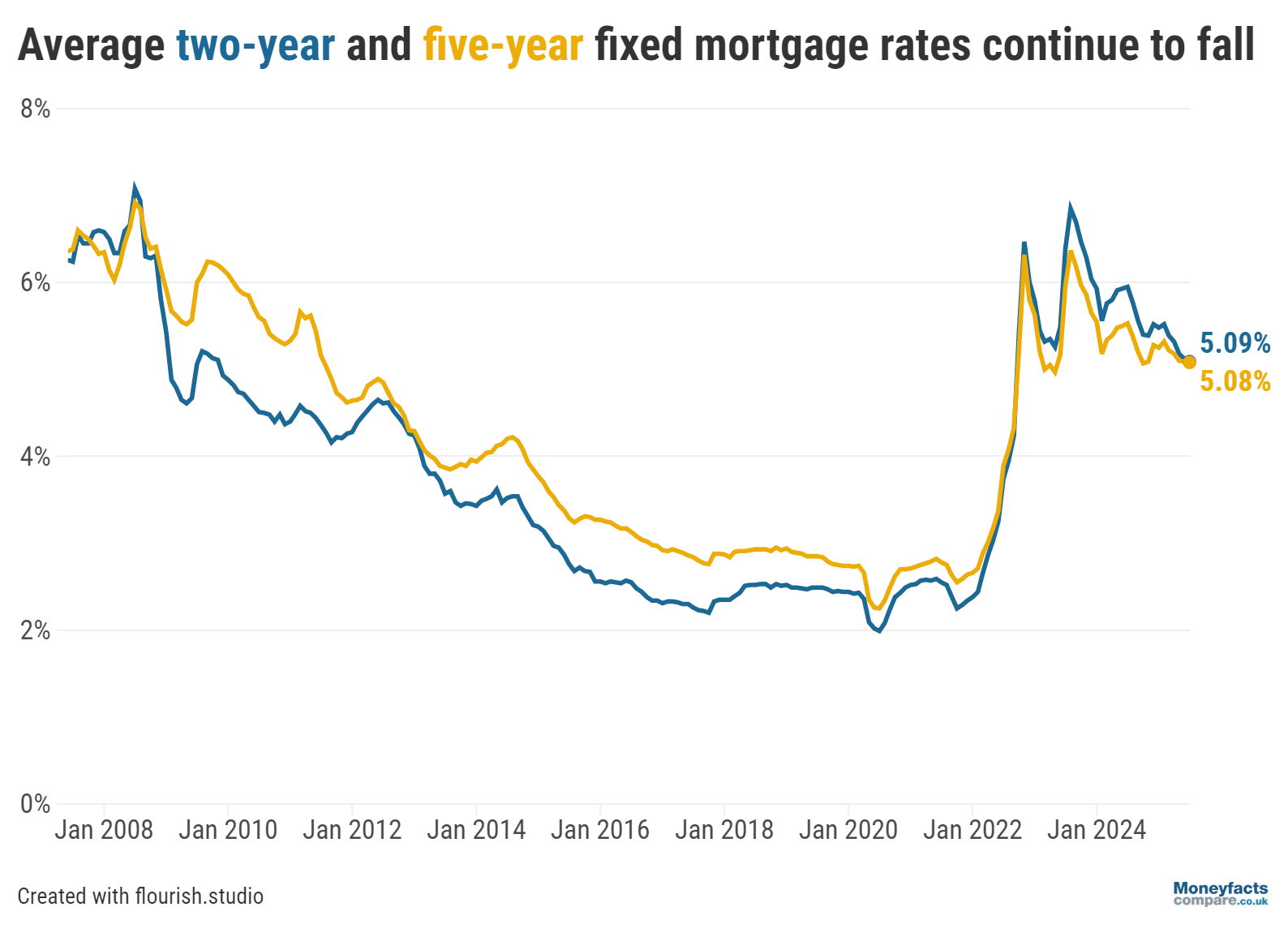 Average Mortgage Rates Continue To Fall For Fifth Consecutive Month
Another fact: in the UK, some people take ten-year terms. That’s not a mortgage; that’s a prison sentence. But you do you.
How to Decide (Fast)
Step one: breathe. Step two: ask yourself if you can handle uncertainty. If the thought of a rate hike makes you sweat, go five-year. If you thrill at the idea of a rate drop, go two-year.
Step three: ignore your nosy neighbor. They picked a variable rate and now eat ramen. Or they went fixed and missed a drop. Nobody’s perfect.
Remember: you can renew later. A two-year term ends, then you pick a new term. It’s like dating—you don’t marry the first bank.
The Final Punchline
Mortgages are not sexy. But this choice? It’s a tiny adventure. You’re the hero, and the bank is the dragon hoarding interest rates.
Whether you choose two or five years, celebrate. You’re buying a home, not a toothbrush. That’s huge. So pat yourself on the back—and maybe buy a candle that smells like “mortgage freedom.”
Now go forth. Pick your term. And don’t let the spreadsheet win.