
So, you want to talk about absinthe, huh? The "Green Fairy." The drink that supposedly made artists go bonkers and cut off their ears. You’ve probably heard it’s been illegal in America for over a century, and you’re wondering: why the heck not?
The Mysterious, Muddy Past
First, let’s rewind to the 19th century. Absinthe was the darling of Parisian cafés, sipped by Van Gogh, Picasso, and a bunch of mopey poets. It was a high-proof, anise-flavored spirit, and people loved it.
Then came the panic. The "Absinthe Madness" was born. Newspapers screamed that it caused hallucinations, madness, and violent crime. I mean, yikes—sounds like a bad Sunday brunch, right?
Must Read
But here’s the kicker: they blamed it all on a chemical called thujone. Thujone comes from wormwood, a key ingredient. People thought it was a hallucinogen, like magical poison ivy for your brain.
The Big, Bad Ban
By 1912, the U.S. government had enough. They banned absinthe, poof, gone. They joined a global crusade, convinced it was a public health crisis. The Green Fairy was banished to the land of forgotten cocktails and speakeasy myths.
And get this: the ban stuck for nearly a hundred years. That’s longer than disco’s been out of style. But the weird part? Scientists later shrugged and said, "Uh, guys? Thujone isn’t really a hallucinogen."
In fact, you’d have to drink about a bathtub full of the stuff to even feel a buzz from thujone. So, what was the real villain? Alcohol poisoning. The booze, not the fairy, was the problem. Classic misdirection!
The Modern Comeback (Legally!)
Fast forward to 2007. The U.S. relaxes the ban, but with a catch. Absinthe can now be sold if it’s "thujone-free"—under 10 parts per million. Basically, a whisper of the old recipe. It’s like letting a vampire in, but only if it sparkles.
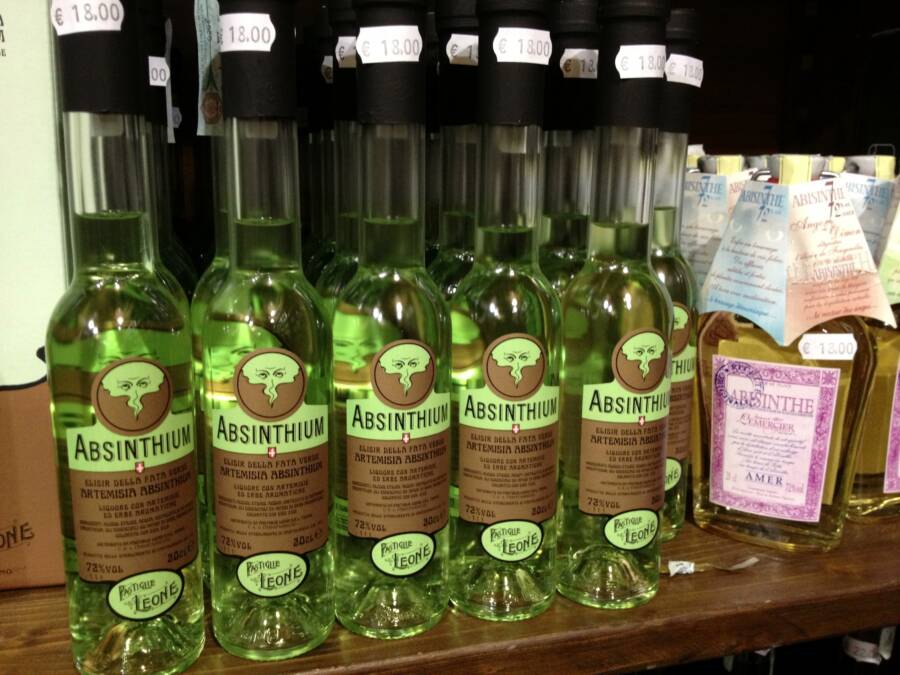 What Is Absinthe? The Controversial History Of The Green Drink
Today, you can buy real, legal absinthe in America. It’s not the same brain-melting stuff from 1900. It’s safe, it’s fun, and it’s delicious—if you like black licorice. And it still comes with that fancy ritual: pouring water over a sugar cube onto a slotted spoon. It’s science fair cool.
But the old myths? They still linger like a bad rumor at a high school reunion. Some people think it’s still illegal. They ask, "Wait, can you buy that?" And you can say, "Yes, Karen, it’s in the liquor store, right next to the vodka."
So, Why the Fuss?
Why did America freak out so hard? It was a perfect storm. You had a temperance movement on the rise, a scary-sounding ingredient, and a bunch of artists acting weird. The government chose the easy target: the green liquid in a glass.
Plus, a lot of the "evidence" came from a scientist named Dr. Valentin Magnan, who fed absinthe to dogs. And the dogs had seizures. But, spoiler alert: he also fed them pure alcohol. He was basically a mad scientist with a grudge against vermouth.
The truth? Absinthe is just a very strong spirit—usually 120 to 140 proof. It’s like gin’s weird, artsy cousin who wears a beret and talks about existential dread. But it won’t make you see little green elephants.
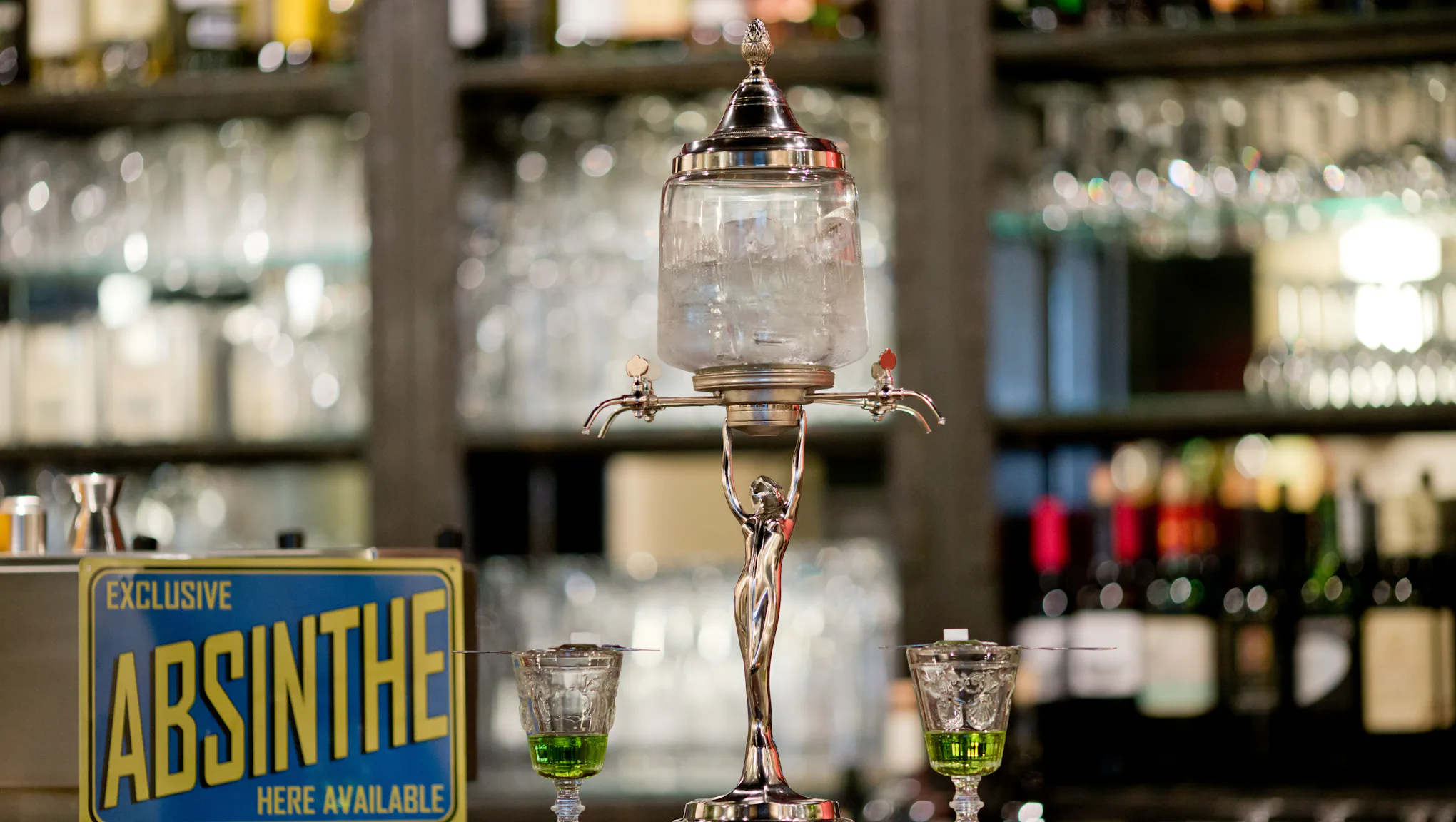 What is absinthe and why was it banned for 100 years? A mystery as
The "Illegal" Myth Lives On
Why do we still think it’s illegal? Because the cultural memory is sticky. The idea of a forbidden, dangerous drink is irresistible. It’s the same reason we love horror movies about haunted dolls—it’s more fun to believe.
Also, some states have their own weird liquor laws. In a few places, absinthe is still technically restricted. But in 2024, you can order a bottle online and have it at your door in two days. You can pair it with pizza. Go nuts.
So, the next time someone says "Absinthe is illegal in America", you can smile. You can say, "Oh, honey, that’s so 1912." Then pour them a glass and watch them pretend to be a poet.
The Uplifting Bottom Line
Here’s the beautiful takeaway: Sometimes, we ban things because we don’t understand them. We listen to fear instead of facts. But eventually, reason catches up. The Green Fairy isn’t a villain; she’s just a party guest who talks a little too loud.
And now, she’s welcome back at the table. You can enjoy her without worrying about hallucinations or legal trouble. You can take a sip, laugh at the old myths, and feel a little bit connected to that crazy artist in Paris. Cheers to that.
So go ahead, order a bottle. Invite a friend. Write a terrible poem. And remember: the only thing you’ll see is a good time—and maybe a very pleasant buzz. The Green Fairy is back, and she’s team fun, not team freak-out. 🕊️