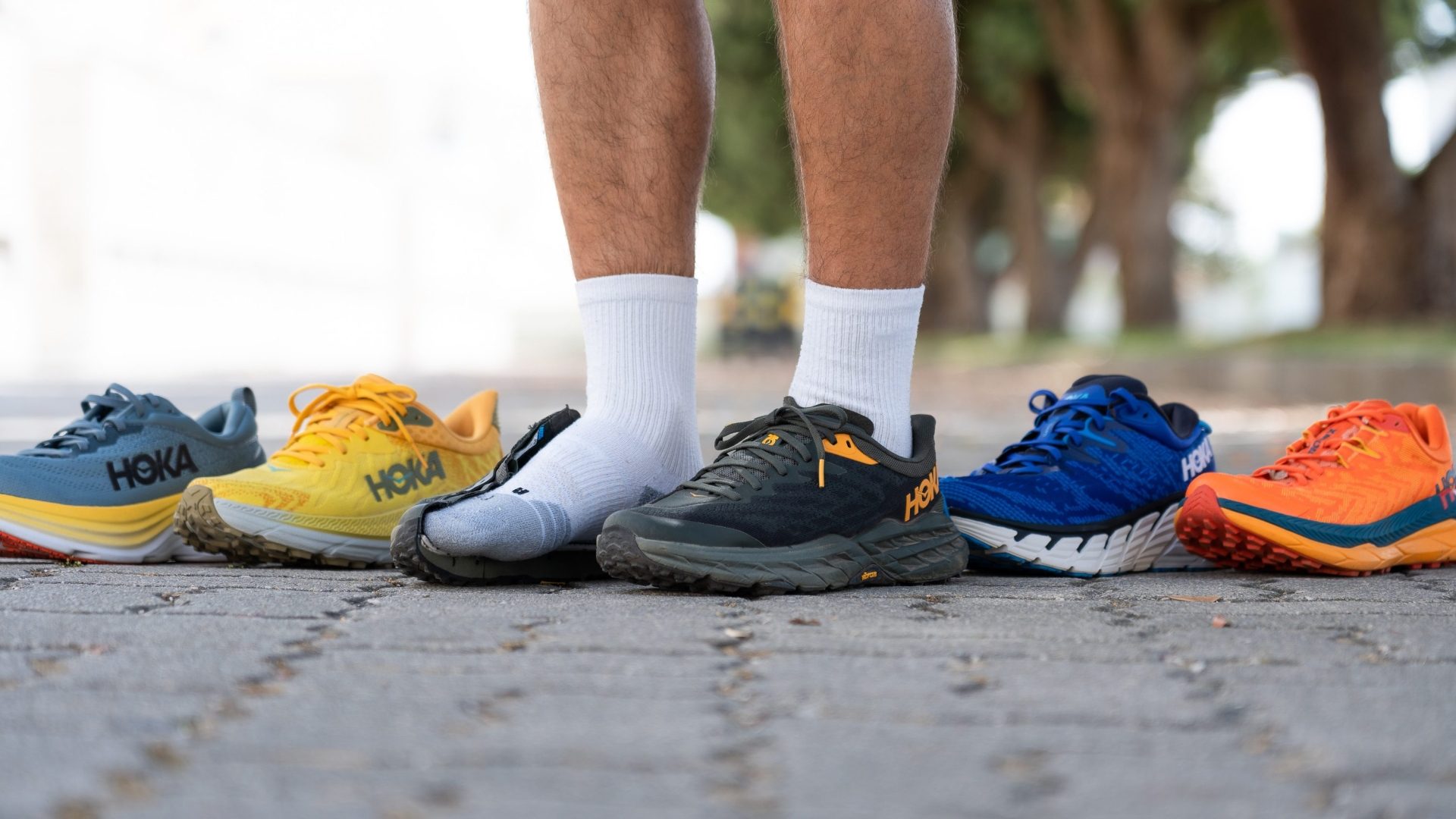
So, you’re thinking about Hoka shoes for walking, huh? Maybe you’ve seen those chunky, marshmallow-like sneakers on everyone’s feet and wondered, “Are they actually comfy, or just a trendy squish-fest?” Let’s dive in, shall we? I’ll give you the real talk—with a side of dad jokes.
The Big Question: Are Hokas Actually Good for Walking?
Short answer: Yes, absolutely. But not all Hokas are created equal, and there’s a little nuance here—like choosing between a donut and a croissant. Both are pastries, but you wouldn’t eat a croissant with sprinkles, right?
Hoka shoes were originally designed for running, specifically for long, punishing ultras where your feet feel like they’re made of concrete. The brand’s secret sauce is maximum cushioning with a rocker bottom—that curved sole that propels you forward like a gentle nudge from a helpful penguin.
Must Read
For walking, that rocker motion is a godsend. It takes the pressure off your heel, rolls you smoothly through your step, and makes you feel like you’re gliding on a cloud made of memory foam and good intentions. Your knees and hips will send you a thank-you card.
But Wait—Are There Different Hokas for Walking?
Oh, honey, yes. Hoka makes a whole zoo of models, and not all are ideal for strolling. If you buy the wrong pair, you might feel like you’re walking on moon shoes—fun for five minutes, then awkwardly wobbling to the bathroom at 3 AM.
For walking, look for models with a stable platform, like the Hoka Bondi (the king of cushion) or the Clifton (a lighter, nimble cousin). The Arahi is great if you overpronate—basically, if your ankles roll inward like a bad actor in a melodrama.
Avoid the rocket-fast racing models like the Carbon X. Those are for runners who want to break records, not for ambling through a farmer’s market while eating a churro. Unless you plan to speed-walk through life while balancing pastries—in which case, you do you.
The Pros: Why Your Feet Will Throw a Party
Heavenly cushioning: Hokas have more foam than a foam pit at a toddler’s birthday party. You’ll feel like you’re walking on a mattress, but without the risk of falling asleep mid-stride.
Reduced joint impact: If you have achy knees, sore hips, or a bad back from too many years of questionable life choices (like attempting yoga after eating a burrito), Hokas can be a lifesaver. The thick sole soaks up shock like a sponge at a juice spill.
 The 10 Best Hoka Walking Shoes, According to Podiatrists
Unexpected style points: Let’s be real—Hokas look like clown shoes on steroids. But that weird, chunky aesthetic has become fashionable in a “dad-core meets space-age” kind of way. You’ll look like you’re about to hike a mountain or review a brunch spot on Instagram. Win-win.
The Cons: Not All Sunshine and Rainbows
They can feel “tippy”: That rocker sole is great for walking, but it can feel unstable if you’re standing still or making sharp turns. You might wobble like a Weeble that forgot to wobble properly.
Price tag: Hokas aren’t cheap. Expect to shell out $140 to $170 for a good pair. That’s like buying a small appliance, but for your feet. Is your foot a toaster? No. But it deserves good toast—er, support.
They wear out: The soft foam that makes them so dreamy also breaks down faster than sturdier shoes. If you walk a lot, you might need a new pair every 300–400 miles. That’s annoying, but consider it an investment in your happy feet.
Who Should Buy Hokas for Walking?
If you’re a daily walker, a traveler who roams city streets for hours, or someone with foot pain (plantar fasciitis, I’m looking at you), Hokas are a fantastic choice. They’re like a spa day for your soles, but without the cucumber water.
If you’re a casual stroller who only walks to the mailbox and back, save your cash. You don’t need a Ferrari to drive to the mailbox. Unless your mailbox is in a different time zone, then maybe yes.
 7 best Hoka walking shoes of 2025, per experts | CNN Underscored
How to Choose Your Perfect Hoka Walking Shoe
Go to a specialty running store and try them on. Wear the socks you plan to walk in—preferably clean ones, because no one wants to see your toe-tan lines. Walk around the store, do a little strut, maybe a spin if you’re feeling dramatic.
Pay attention to fit. Hokas often run a tad narrow, so consider a wide width if your feet are more “pancake” than “breadstick.” And remember: you should have a thumb’s width of space at the toe. If your toes touch the front, you’ll get blisters that look like tiny, angry grapes.
If you can’t try them in person, order from a place with a great return policy. Walk around your house in them for a week. If your cat looks at you with judgment, that’s normal. If your feet feel weird, send them back.
The Verdict: Should You Buy Hoka Walking Shoes?
In a word: yes, but with a tiny asterisk. They’re not magic shoes—they won’t make you taller, funnier, or able to talk to squirrels. But they will make walking feel easier, more comfortable, and maybe even a little joyful. And isn’t that what we all want? A little joy in our stride?
So go ahead, treat your feet. They’ve carried you through grocery runs, awkward dates, and that time you tried to assemble furniture without reading the instructions. They deserve a good pair of Hokas. Or at least a nice foot rub. But Hokas are a close second.
Uplifting Conclusion
Walking is one of life’s simplest pleasures—a way to clear your head, feel the sun, and occasionally nod at a neighbor while secretly judging their lawn ornaments. Hoka shoes don’t promise to make you a faster walker or a better person. But they do promise to make every step feel like a gentle hug from the ground. And honestly, who couldn’t use more hugs in their life?
So lace up a pair, step outside, and remember: you are literally moving forward, one happy, cushioned step at a time. That’s pretty awesome, if you ask me. Now go walk—and don’t forget to smile at a squirrel. They’re judging your shoes, too.