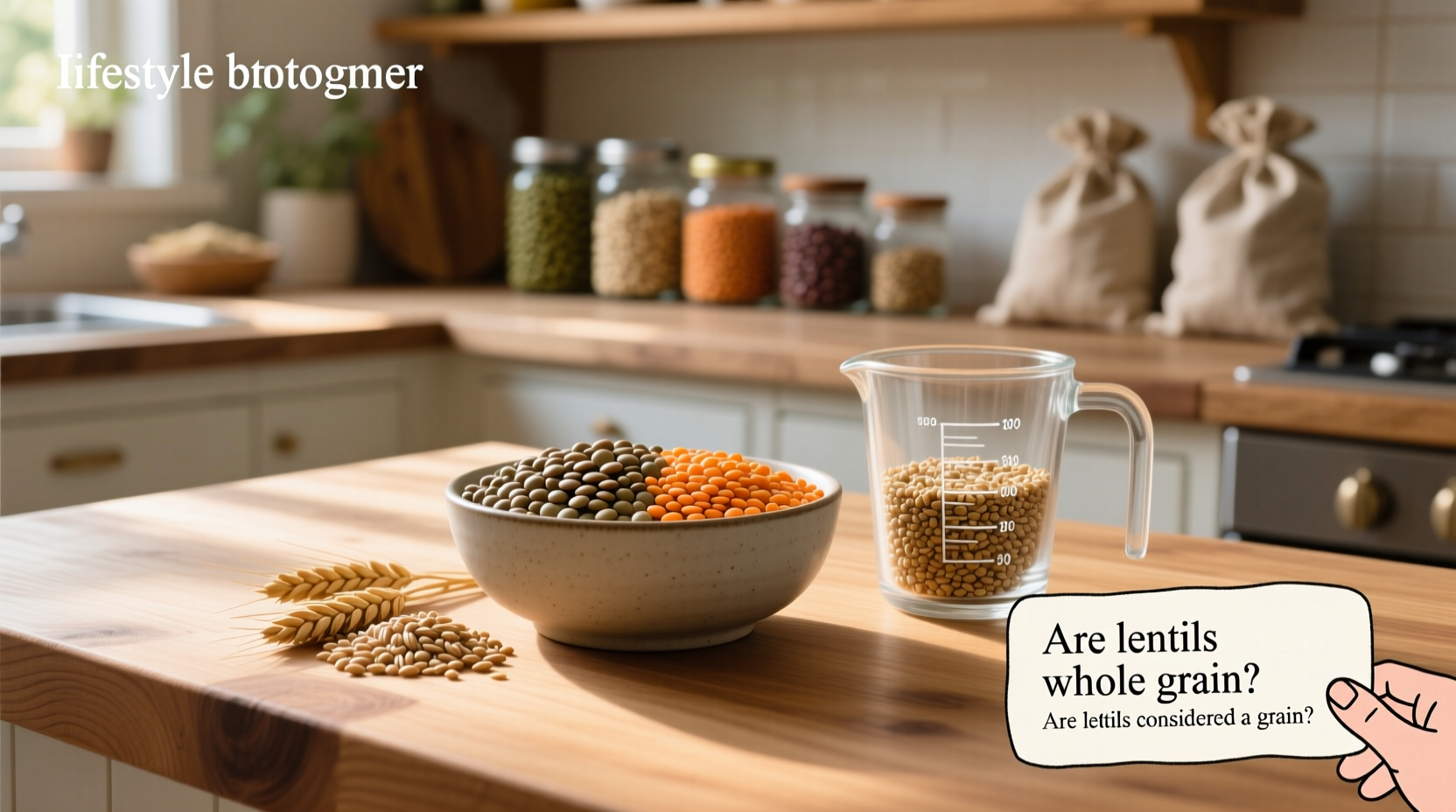
The other day, my friend Mark—a guy who prides himself on knowing more about cooking than I do—looked at the bag of green lentils in my hand and said, “Oh, you’re making a grain bowl?” I just blinked at him. I mean, I love the guy, but I felt a tiny, righteous fire ignite in my chest. Was he really confusing a lentil with a grain? Again? This is the same man who once called quinoa a “super-herb,” so maybe I shouldn’t have been surprised.
The Short Answer: No, Lentils Are Not Grains
Let’s get the boring-but-crucial stuff out of the way first. Grains (like wheat, rice, oats, and barley) come from the seeds of grasses. Think of a golden field of wheat swaying in the wind—that’s a grass family party. Lentils, on the other hand, are pulses, which are the edible seeds from legumes (plants in the pea family). Yeah, your lentil is basically a fancy, tiny cousin of the green bean. So, scientifically? No, Mark. No.
But here’s where it gets tricky—and why Mark isn’t totally insane. In the kitchen, lentils behave a lot like grains. You boil them in water, they swell up, and you toss them into salads or soups alongside rice or quinoa. Your brain gets lazy and just lumps them all into the “starchy, earthy, plant-based chunk” category. (Don’t worry, your brain is just trying to be efficient. It’s not a botanist.)
Must Read
So, Why Does This Confusion Even Happen?
Blame food marketing and our collective laziness with categories. You see “lentil pasta” or “lentil crackers” on store shelves and think, “Oh, it’s a grain alternative!” Nope. It’s a pulse alternative. If you look at a lentil under a microscope (please don’t, you have better things to do), you’d see it’s actually a tiny seed embryo with two halves, like a little bean. A grain seed? It has a different structure. It’s like saying a horse is a cow just because they both eat hay. Close, but no steak.
Another reason: lentils are often grouped with grains in dietary guidelines. The USDA lumps them into the “Protein Foods” group, but also says they can count as a serving of vegetables. Meanwhile, grains are their own separate category. So the government is confused too, honestly. I don’t blame you.
 Wooden spoon with raw red lentils on various grain 45706600 Stock Photo
The Real Difference: What Your Body Thinks
This matters more than the botanical drama. Grains are mostly carbohydrates (especially starch). Lentils are mostly protein and fiber with a side of carbs. That’s why lentils make you feel full longer and don’t spike your blood sugar like a bowl of white rice can. If you eat a bowl of lentils, your guts will thank you with a slow, steady release of energy. Grains are the party guest who arrives, eats all the chips, and leaves in an hour. Lentils are the quiet friend who stays for tea and helps you clean up.
So, if you’re trying to eat more protein without the meat, lentils are a hero. But if you treat them exactly like a grain, you might end up with a mushy, bland mess. Because lentils also cook faster than most grains (red lentils: 15 minutes flat) and have a distinct earthy, nutty flavor that barley or rice just doesn’t have. Pro tip: don’t boil them to death. You want them tender, not sad.
 Range Lentils Macro Background Shot Top View, Lentils, Range Lentils
The Verdict (Let’s Settle This)
Are lentils a grain? No, but yes in spirit. You can’t call them a grain at a dinner party without a botanist correcting you (and trust me, a botanist will find you). But you can absolutely swap them in for grains in most recipes and have a healthier, more interesting meal. Think of it as a botanical identity crisis that works in your favor.
Next time someone like Mark says, “Pass the grain bowl,” you have two choices. Option A: Correct him smugly and lose a friend. Option B: Smile, hand him the lentils, and say, “Actually, these are pulses—and they’re about to blow your mind.” I choose Option B. Because correcting people is exhausting, but feeding them well is fun.
And really, at the end of the day, who cares what we call them? As long as you’re eating a bowl of warm, savory, fiber-packed goodness, you’re winning. Just don’t call them a grain in front of a farmer. They’ll laugh, and then they’ll hand you a stalk of wheat to remind you what you’re missing.