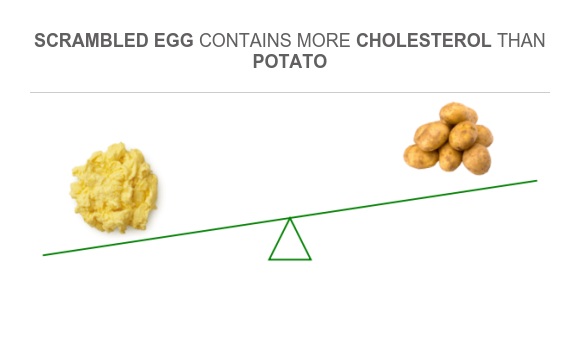
Let’s get real for a second: scrambled eggs are the unofficial MVP of the breakfast table. They’re creamy, comforting, and basically a hug on a plate. But that lingering question—are scrambled eggs high in cholesterol?—has probably crossed your mind while you whisked away.
The short answer is yes, but with a massive asterisk that changes the whole story. One large egg yolk packs about 186 milligrams of cholesterol, which is over half the old daily limit of 300 mg. Sounds scary, right? Hold that thought, because science has had a serious glow-up on this topic.
The yolk’s on us: a modern reality check
For decades, eggs were villainized like a bad guy in a Marvel movie. Dietary guidelines used to scream “limit cholesterol,” but research now shows that dietary cholesterol has a surprisingly small effect on blood cholesterol for most people. Your liver actually produces most of the cholesterol in your body—cranked up when you eat saturated fats, not the cholesterol in eggs.
Must Read
Scrambled eggs, when eaten in moderation, are not the heart-health menace we once feared. Studies, including a massive 2020 analysis in the British Medical Journal, found that eating up to one egg per day wasn’t linked to higher heart disease risk. So relax—your morning scramble isn’t a ticking time bomb.
Fun fact: Japan has one of the highest egg consumption rates in the world, and also one of the lowest rates of heart disease. Coincidence? Maybe, but it’s a delicious cultural data point. Think of it as the “egg on your face” moment—but for outdated nutrition myths.
The real culprit is what you pair with them
Let’s be honest: scrambled eggs rarely fly solo. They’re usually swimming in butter, flanked by bacon, or piled on a buttery croissant. That’s where the cholesterol story gets sticky. Saturated fats from butter, cheese, and processed meats spike your LDL cholesterol far more than the eggs themselves ever could.
So here’s the practical tip: swap the butter for olive oil or avocado oil when scrambling, and skip the cheese avalanche. Try folding in sautéed spinach or diced tomatoes for a pop of color and fiber. Your taste buds and arteries will thank you in equal measure.
Another trick? Use one whole egg and two egg whites. You keep the yolk’s rich flavor and nutrients (vitamin D, B12, choline) but slash the cholesterol load. It’s a tiny tweak that feels like a win-win.
Cultural comfort meets smart choices
Think about your favorite scrambled egg moment: maybe it’s a fluffy diner scramble on a hangover Sunday, or a delicate French-style version folded into ribbons. In Italy, they’d call it uova strapazzate—often cooked with a touch of cream and served with crusty bread. The point is, eggs are a cultural canvas.
Even celebrity chefs like Ina Garten swear by extra yolks for richness, but she also balances them with a salad or roasted veg. It’s all about context, not fear. You don’t need to banish scrambled eggs—just treat them like the star they are, not a guilty secret.
 Are Eggs Bad for High Cholesterol : Myths vs. Facts – The Definitive
And hey, if you’re still hesitant, know that your genetics play a bigger role than your breakfast. Some people are “hyper-responders” to dietary cholesterol, but that’s rare. For the rest of us, a daily scramble is fine—especially if you’re active and eat whole foods.
The fun little facts that seal the deal
Did you know that egg yolks are one of the few natural sources of vitamin D? That’s a big deal in a world where we spend too much time indoors. Plus, the choline in eggs is brain food—literally—it supports memory and mood. So your morning scramble is practically a cognitive boost.
Here’s a kitchen trick: add a splash of water or milk to your eggs while whisking, then cook on low heat. This creates steam that makes them extra fluffy without needing excess fat. It’s the same technique used in fancy hotel buffets—simple, elegant, and heart-friendly.
One more stat to chew on: eggs have about 6 grams of protein each, which keeps you full until lunch. That means fewer mid-morning snack attacks on vending-machine cookies. Protein power wins the breakfast battle, every time.
A short reflection for your morning plate
So, are scrambled eggs high in cholesterol? Technically, yes—but that’s no reason to banish them. Life is too short for dry oat cakes, and too rich for blanket food guilt. The real question isn’t “are eggs bad?”—it’s “how do I make them work for my life?”
Think of it this way: your body is a masterpiece of adaptation, not a fragile museum piece. A couple of scrambled eggs with a side of mindfulness? That’s a breakfast that nourishes both body and spirit. Next time you hear the sizzle, remember: you are not a number on a dietary chart. You’re a person who deserves a warm, satisfying start to the day.
Go ahead, scramble with confidence. And maybe add a pinch of chili flakes—because life, like cholesterol, is all about balance with a little kick.