
So there I was, mid-afternoon slump, staring at my keyboard like it held the secrets to the universe. I was grumpy, my knee was aching from a stupid jog I took three days ago. I ripped open a family-sized bag of sunflower seeds just to have something to do with my hands.
An hour later, I’d shelled half the bag, my fingers were salty, and my knee actually felt… quieter. Coincidence? Maybe. Or maybe my salty little crunch-fest was doing more than just keeping me awake. It got me wondering: are sunflower seeds actually anti-inflammatory?
Let’s be real—we usually treat them as a baseball player’s snack or a way to avoid eye contact at parties. But sneaky little guys that they are, sunflower seeds pack a serious nutritional punch. And yes, the science says they can absolutely help cool down that internal fire.
The Star Player: Vitamin E
The main reason sunflower seeds are anti-inflammatory is their massive dose of Vitamin E. This isn’t your average vitamin; it’s a fat-soluble antioxidant that acts like a bouncer for your cells, kicking out free radicals that cause inflammation. Just one ounce of seeds gives you over 40% of your daily Vitamin E needs. That’s a lot of bouncers for a tiny snack.
Think of inflammation as a low-grade wildfire in your joints and arteries. Vitamin E doesn’t just pour water on it—it stops the sparks from flying in the first place. It’s especially good for chronic inflammation, the sneaky kind that underpins things like arthritis and heart disease. (You know, the stuff we all pretend we don’t worry about until our 40s.)
But Wait, There’s More (Selenium and Healthy Fats)
Vitamin E isn't the only hero in this seed. Sunflower seeds are also loaded with selenium, a mineral that helps your body produce antioxidant enzymes. Basically, selenium tells your immune system, “Chill out, stop attacking everything.” It’s like a gentle nudge instead of a panicked scream.
And let’s talk about the fat. Yes, seeds have fat—but it’s mostly polyunsaturated and monounsaturated fat, the good kind. Your body uses these fats to reduce inflammation markers like C-reactive protein. So when you eat them, you’re literally feeding your body the building blocks for a calm response. (See? Not all fats are trying to ruin your jeans.)
Here’s a fun side note: the fiber in the seeds (about 3 grams per ounce) also plays a role. A happy gut sends fewer inflammatory signals to the rest of your body. So if you’re crunching for gut health, you’re also helping your knees. It’s a two-for-one deal!
The Ironic Catch: Salt and Phytic Acid
Okay, I have to be the friend who brings you down for a second. You know those big bags of roasted, salted sunflower seeds? The ones that turn your fingers into a salt lick? That’s where the irony hits. Excess salt promotes inflammation, which defeats the purpose of the Vitamin E. So if you’re eating a bucket of salted seeds, you’re basically canceling out the good stuff.
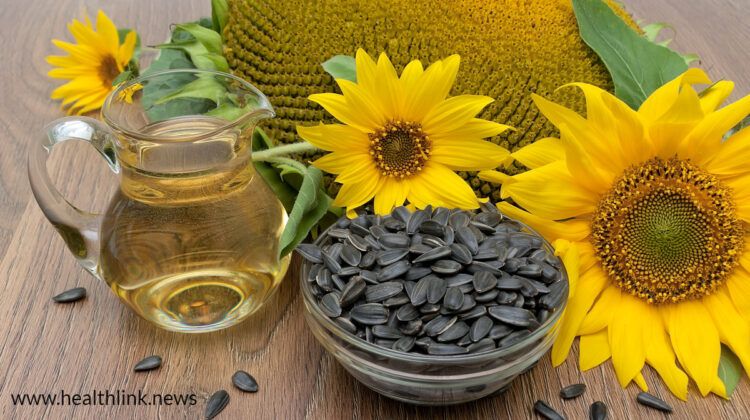 Sunflower Seeds: Help in Reducing Inflammation | DocIndia Health Blog
Also, sunflower seeds contain phytic acid, which can bind to minerals like zinc and iron and block their absorption. But don’t panic—this only really matters if you’re eating them by the pound and ignoring all other foods. A handful is fine. (And yes, you can soak or roast them to reduce phytic acid, but who has time for that? Not me.)
So here’s the real talk: if you’re looking for an anti-inflammatory snack, choose raw or dry-roasted (unsalted) seeds. They taste a little like cardboard at first, I won’t lie. But add them to a salad, mix them with raisins, or sprinkle them on oatmeal. Your taste buds will adapt, and your joints will thank you.
How Many Should You Eat?
Let’s not get crazy. A serving is about a quarter cup (or a small handful). That’s enough to get the Vitamin E benefit without turning into a seed-shaped human. Eat them daily, and you’re giving your body a steady stream of anti-inflammatory compounds. Eat a whole bag, and you’ll just be very, very good at shelling seeds.
I personally started adding them to my lunchtime yogurt bowl. At first, it felt weird—crunchy seeds in creamy yogurt? But now it’s my favorite part. My knee still acts up sometimes (because I’m 40 and stubborn), but it’s definitely less grumpy than it used to be.
The Bottom Line (No Capsule Needed)
So, are sunflower seeds anti-inflammatory? Yes, absolutely. But only if you treat them right. Don’t drown them in salt, don’t eat them exclusively, and don’t expect them to cure a broken bone. They are a supporting actor in your anti-inflammatory diet, not the star of the show. The star is still vegetables and sleep.
Next time you’re peeling open a bag, remember: you’re not just snacking—you’re doing a small, crunchy favor for your future self. And if you want to be extra fancy, buy the shelled ones and pretend you’re a diligent, health-conscious adult. Your knee will think you’re a genius. (Your fingers will still be salty, but that’s a small price to pay.)