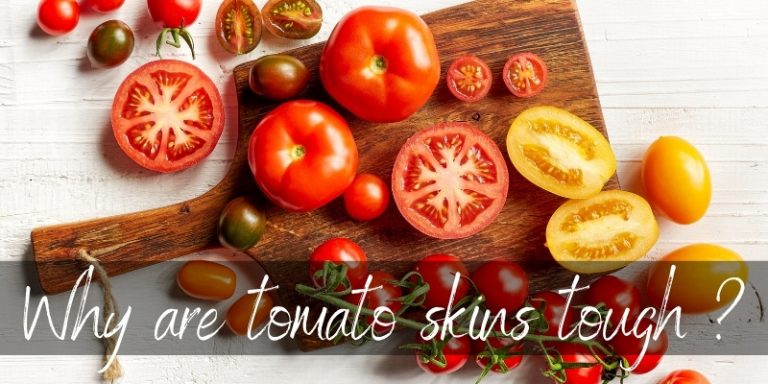
So, you’ve just demolished a glorious Caprese salad, or maybe you inhaled a bowl of marinara pasta like it was your last meal on earth. Now, you’re curled up on the couch, rubbing your belly, and asking the age-old question: are tomatoes trying to murder me from the inside? You are not alone. Millions of people feel like a tomato is a ticking time bomb for their gut, and honestly, the little red devils have a bad reputation that’s partially deserved.
Here’s the surprising truth: tomatoes aren’t inherently “hard to digest” for most people. Your stomach is a brutal acid pit designed to dissolve a leather boot if you let it. But tomatoes come with a few sneaky weapons that can turn your digestive tract into a dramatic soap opera. Let’s talk about the villains: acidity and fiber.
First up, the acid. A tomato is basically a bag of water wrapped in a skin, full of citric and malic acid. For most folks, this is just a zesty flavor. But if you have a sensitive stomach, or the dreaded acid reflux, that innocent slice on your sandwich is like dropping a match on a gas stove. Your esophagus will start screaming Shakespearean monologues.
Must Read
The Great Seed Conspiracy
Now, let’s talk about the seeds. Many people swear that tomato seeds are tiny, spiky demons that get stuck in your intestines. Is this true? Mostly no—it’s an old wives’ tale that’s been passed around more than a bad cold. The seeds are coated in a gel-like substance that passes right through you like a tourist through Times Square.
But here’s the kicker: the fiber in the skin and the seeds can be a wild card. If you are not used to a high-fiber diet, and you suddenly eat three whole tomatoes like they’re apples, your gut bacteria will throw a rave. The result? Gas, bloating, and noises that sound like a submarine sonar. It’s not indigestion; it’s a microbial party you weren’t invited to.
The Nightshade Nonsense
Ah, the “nightshade” thing. You’ve heard the internet say tomatoes cause inflammation and arthritis. Look, I love a good conspiracy as much as the next person, but the science is wobbly. Tomatoes contain a compound called solanine—but only in the green leaves and stems, which you aren’t eating (unless you’re a goat). The ripe red fruit is mostly harmless. Unless you eat a truckload of them, you won’t turn into a werewolf.
However, some people have a real sensitivity called oral allergy syndrome. Your mouth thinks the tomato protein is a pollen particle from a birch tree. So you get an itchy throat or a tingly tongue. It’s not digestion; it’s your immune system being a drama queen. Pretty annoying, but not a gut bomb.
 Why Don't Tomato Skins Digest at Philip Mayers blog
So, who actually struggles? People with IBS (Irritable Bowel Syndrome) might find tomatoes are a trigger. The high FODMAP? Wait, let’s not get too science-y. Basically, if you have a hypersensitive colon, the fiber and sugar in tomatoes can speed up or slow down your “transit system” like a toddler playing with a train set. You might get diarrhea or constipation. Either way, it’s not a fun afternoon.
How to Tomato-Proof Your Gut
Don’t panic. You don’t have to swear off pizza and ketchup forever. First, peel them. The skin is the toughest part to digest, and removing it is like taking the armor off a knight. You can blanch them in hot water for thirty seconds and the skin slides right off. Boom—instant reduction in belly drama.
Second, cook them. Heat breaks down the tough cell walls and reduces the acidity a bit. Canned tomatoes? Already cooked. Pasta sauce? You’re golden. Raw tomatoes are the rebellious teenagers of the produce aisle—cooking them turns them into polite, well-behaved adults.
Third, use the spoon trick. If you eat a tomato sauce with a thousand seeds, try straining it. Yes, it’s a little extra work, but your colon will send you a thank-you note. Or just buy a jar of passata, which has no seeds or skin. It’s cheating, but effective cheating.
 Tomatoes Are Really Good For Your Gut Health: Here’s Why - Boldsky.com
And finally, don’t eat them with a gallon of milk. Tomatoes plus dairy is a classic combo, but for some people, the acidity of the tomato curdles the milk in your stomach, making you feel like a shaken soda can. You don’t have to avoid it, but maybe don’t follow a pizza with a milkshake. Your body is not a chemistry set for your amusement.
The Verdict: Are They Evil?
Here’s the bottom line: tomatoes are not inherently hard to digest for the average healthy person. They are just a little bit sassy. They have acid, but so does orange juice. They have fiber, but so does broccoli. The real problem is that we eat them in giant quantities—like a whole bowl of cherry tomatoes in one sitting—and then blame the fruit.
If you have a specific condition like GERD or IBS, treat tomatoes like that friend who’s fun in small doses but exhausting at a party. Have a slice or two. Don’t eat a bushel. And if all else fails, just remember: ketchup is practically a candy for most people. If that doesn’t upset your stomach, a ripe tomato shouldn’t either. So go ahead, enjoy that BLT. Just maybe don’t eat the whole vine.
And if you still feel terrible? Blame the bread. Bread is the true villain of the meal. But that’s a story for another café rant.