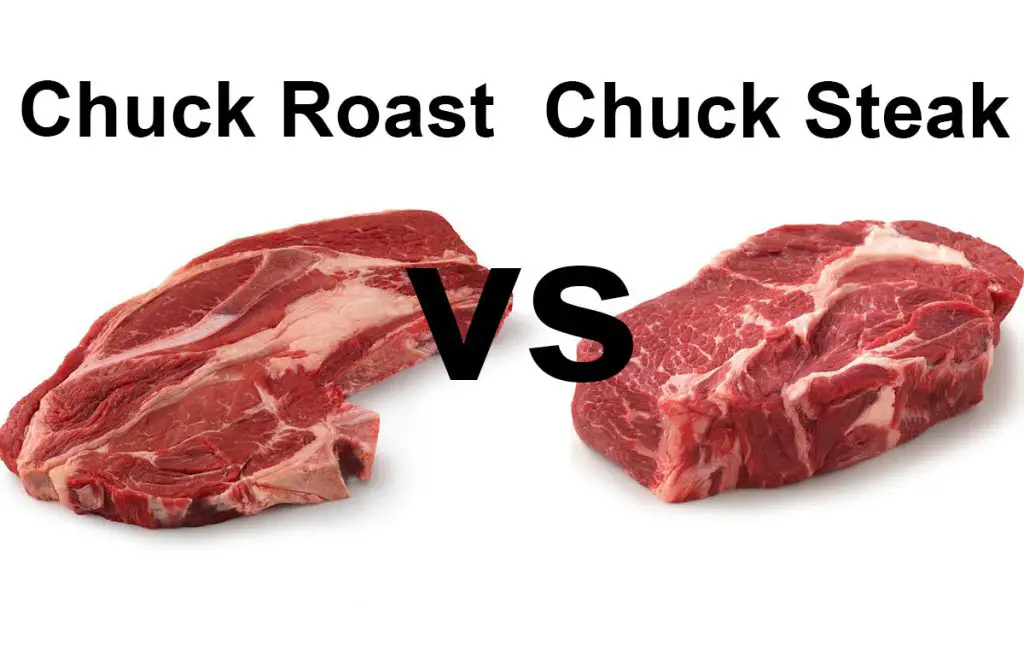
Alright, pull up a chair and let’s settle a beef—literally. You’ve stared at the butcher counter, dumbfounded, wondering what the chuck is the difference between “Beef Chuck” and “Chuck Roast.” One sounds like a bodybuilder’s neck, the other like a cooking command. Spoiler: they’re not enemies—they’re family. But understanding their relationship will make you a kitchen god, not a sad microwave reheater.
The Chuck: The Cow’s Shoulder Party
Beef Chuck is the entire primal cut from the cow’s shoulder, neck, and upper arm. Think of it as the cow’s gym membership area—all tough muscle, connective tissue, and flavor from hard work. It’s like the bouncer of the cow: strong, a little surly, but full of hidden charm if you treat it right. Butchers don’t just sell a whole shoulder to you, unless you’re feeding a small army or a very hungry T. rex.
Instead, they slice and dice that massive chuck into smaller, specific cuts. That’s where the confusion starts: Beef Chuck is the whole neighborhood, not the house you buy. So when you ask for “Beef Chuck” at the counter, you’re basically asking for “a piece of the shoulder section.” Meanwhile, the actual name on the package is usually a specific cut from that section, like a chuck roast, chuck eye steak, or shoulder tender. It’s like saying “I want a slice of New York” and the butcher hands you a pizza slice from a deli in Times Square—technically correct, but confusing.
Must Read
Enter the Chuck Roast: The Star of the Slow Cooker
The Chuck Roast is a specific, recognizable chunk cut from that larger Beef Chuck section. It’s usually a square-ish, thick slab of meat with a gorgeous marbling of fat running through it like a river of deliciousness. This is the poster child for braising, stewing, and all forms of “cook it low and slow or you’ll break your teeth.” If you try to grill a chuck roast like a steak, you’ll spend the next hour apologizing to your jaw muscles.
But here’s the fun part: a chuck roast is not just one muscle—it’s a bundle of several muscles, all webbed together with collagen and fat. That collagen is the secret weapon. When you slow-cook it, that collagen melts into gelatin, turning a tough chunk into meat that falls apart with a fork’s whisper. It’s science, not magic, but it feels like magic when you serve it to guests who think you’re a culinary genius.
The “So What?” Moment: How to Buy Like a Boss
Here’s the real-world cheat code: if a recipe calls for “Beef Chuck,” grab a chuck roast. Seriously. That’s the most common cut you’ll see from that section. But don’t be fooled by fancy names—labels like “pot roast” or “arm roast” are also just chuck roasts wearing a trench coat. Butchers do this to confuse you, I’m convinced. It’s a conspiracy between Big Beef and Big Slow Cooker.
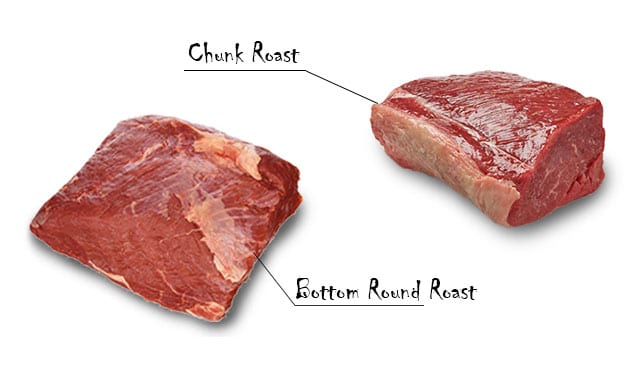 English Roast Vs Chuck Roast _ What Is an English Roast? – JIIVCI
Surprising fact #1: Chuck roast is often cheaper than steaks from the loin, but it has more beefy flavor. The shoulder works hard, so it tastes like a cow that lived a full, happy life—not a sedated grain baby. Your taste buds will thank you, and your wallet won’t cry.
Surprising fact #2: You can grind chuck roast to make the best hamburgers on earth. That 80/20 fat ratio? Classic chuck grind. So that same tough roast that needs three hours in a Dutch oven can also become a juicy burger in ten minutes. It’s the mullet of beef: business in the slow cooker, party on the grill.
The Great Showdown: What’s the Side-by-Side?
Let’s get visual. Imagine Beef Chuck is the entire Beatles band. The Chuck Roast is Paul McCartney—the most famous, versatile member you’ll actually buy a ticket to see. You don’t buy the whole band (the whole shoulder), you buy Paul (the roast). Unless you’re a butcher or a rancher, you don’t need the whole Chuck primal cut. That’s for professionals who have bandsaws and space in their walk-in freezer.
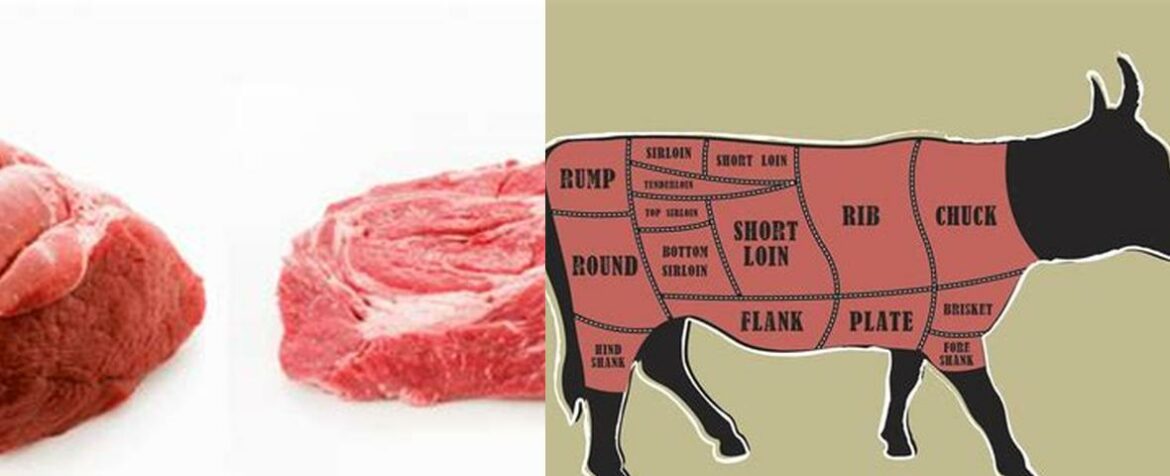 Which is Better: Chuck Roll or Chuck Roast? Unraveling the Secrets of
So next time you’re at the store, walk up to the butcher and say, “Give me a big, fat chuck roast,” with confidence. If they ask, “Chuck or chuck roast?” you can smirk and say, “They’re the same thing, just one is a whole section and the other is a specific cut, but I want the roast, thanks.” They’ll nod, impressed. You’ve unlocked a level of meat nerdery they didn’t expect.
The Final Chew (Or Sip of Coffee)
Remember: Beef Chuck is the source, Chuck Roast is the soldier. Both are magical, cheap, and forgiving if you treat them right. Don’t overcook it into shoe leather, and don’t undercook it into rubber. Braise it with onions, garlic, and a splash of red wine, and you’ll think you’ve died and gone to cattle heaven. Or just stick it in a slow cooker with a packet of onion soup mix—nobody will judge you. They’ll be too busy asking for seconds.
Now go forth, you beautiful carnivore, and conquer the chuck. Just don’t ask the cow for its permission. It’s already given it, in a roundabout, delicious way.