
Let’s talk about the ultimate hair horror: black nits in blonde hair. It’s a visual paradox that can send even the chillest person into a frenzy. But trust us, it’s a common, manageable, and oddly fascinating problem.
Blonde hair is a light-loving canvas, so those tiny, dark sesame-seed eggs stand out like ink on snow. It’s not that you’re dirtier or more prone to lice; it’s just that the contrast is brutally honest. The real issue is that visibility can make you feel self-conscious, even when you’re doing everything right.
The Science of the Spot
Nits are the eggs of head lice, and they are glued to the hair shaft with a waterproof, cement-like substance. This glue is extremely tough, which is why normal shampooing won’t budge them. The dark color you see is actually the developing louse inside the shell, which is why fresh nits are often darker than empty, hatched ones.
Must Read
A common myth is that nits jump or fly; they don’t. They crawl, and they prefer the warm, cozy spots behind your ears and at the nape of your neck. Fun fact: A single louse can lay up to 10 eggs a day, so catching them early is your superpower.
Why Blonde Hair is a Double-Edged Sword
On the plus side, you find the problem immediately. Dark-haired friends might miss an infestation for weeks, while you spot a single speck in the sunlight. The downside is that every missed nit becomes a glaring, unwanted accessory.
Blonde hair also tends to be finer and more delicate, so harsh chemical treatments can be damaging. This means your removal strategy must be both gentle and meticulous. Think of it as a precision mission, not a demolition job.
Your Action Plan: The Smooth Way
First, breathe. Panic leads to bad decisions, like grabbing the wrong chemical treatment. Start with a good, fine-toothed metal lice comb—plastic ones are too bendy and miss the grip. Section your hair into four parts using clips; it makes the process feel less overwhelming.
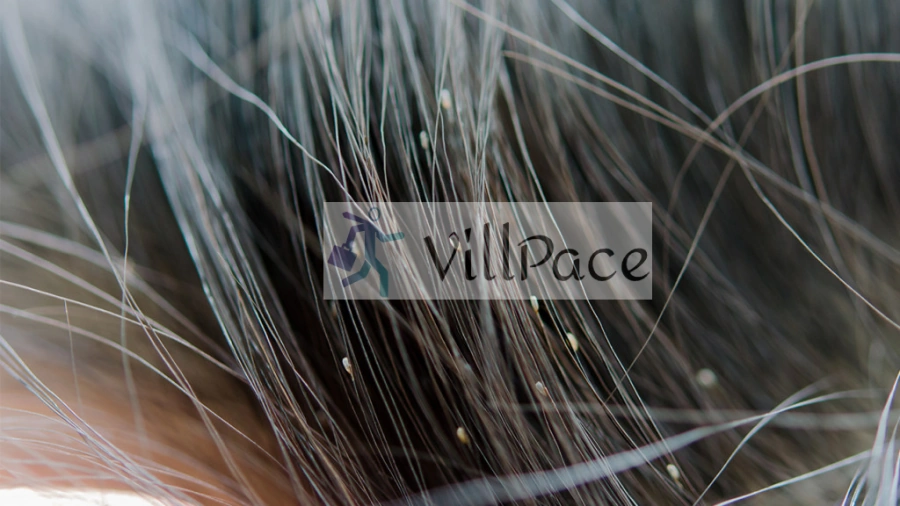 What Do Nits Look Like In Blonde Hair?
Work with conditioner. Coat dry, detangled hair with a thick, white conditioner before you comb. This makes the hair slippery, so the comb glides without pulling, and it helps the nits slide off the shaft. Comb from the root to the tip in small, deliberate strokes, wiping the comb on a paper towel after each pass.
Pro tip: Do this in natural light or under a bright lamp. Place a white towel on your shoulders to see the black dots fall. You’ll be amazed at what you remove—and it’s satisfyingly gross.
Cultural References and Gossip
Remember that iconic scene in The Parent Trap where the twins have to treat lice? It’s a universal childhood memory. Lice have been a part of human history for millions of years—they even evolved with us from our primate ancestors. Cleopatra herself reportedly used a fine-toothed comb.
In today’s culture, the “lice panic” often hits Instagram-worthy hair routines hard. But think of it this way: if a supermodel or a rock star can have a lice scare (and they absolutely do), you can too. It’s a biological equalizer, not a fashion statement.
Practical Tips for the Blonde-Haired Beauty
Don’t use mayonnaise, olive oil, or essential oils as a main treatment—they can create a greasy mess on light hair and don’t reliably kill all nits. Stick to over-the-counter treatments with proven ingredients like dimethicone (a silicone that suffocates lice) or seek a prescription.
 Blonde Hair, Nits, And How To Spot Them | ShunSalon
After treatment, daily checks are your best friend for two weeks. Use the same comb and conditioner method. Wash bedding and hats in hot water, but don’t go crazy bombing your house—lice die within 24 hours off the scalp. Quick fact: They can’t live on pet fur, so Fido is safe.
Keeping Your Cool (and Your Color)
If you have color-treated blonde hair, check the product label. Some harsh chemical treatments can strip or dull highlights. Look for formulas labeled “gentle” or “color-safe.” A good alternative is a dimethicone-based treatment, which works physically, not chemically.
To avoid damaging your blonde, follow the treatment with a deep-conditioning mask. Your hair will thank you, and the extra moisture helps loosen any stubborn nits. Think of it as a spa day with a side of exorcism.
The Final, Easy-Going Reflection
Finding black nits in blonde hair is an inconvenience, not a catastrophe. It’s a tiny interruption in your daily life, a reminder that our bodies are still wild things, even when we try to tame them with highlights and dry shampoo. You’ll get through it with patience, a good comb, and a sense of humor.
The next time you sit in the sun and spot that speck, don’t panic. Smile, grab your trusty comb, and remember: this too shall pass—and your hair will look even more radiant once it’s gone. Life is full of small, imperfect moments; this is just one you can actually fix with a little effort and a lot of conditione. And that, honestly, is a kind of peace.