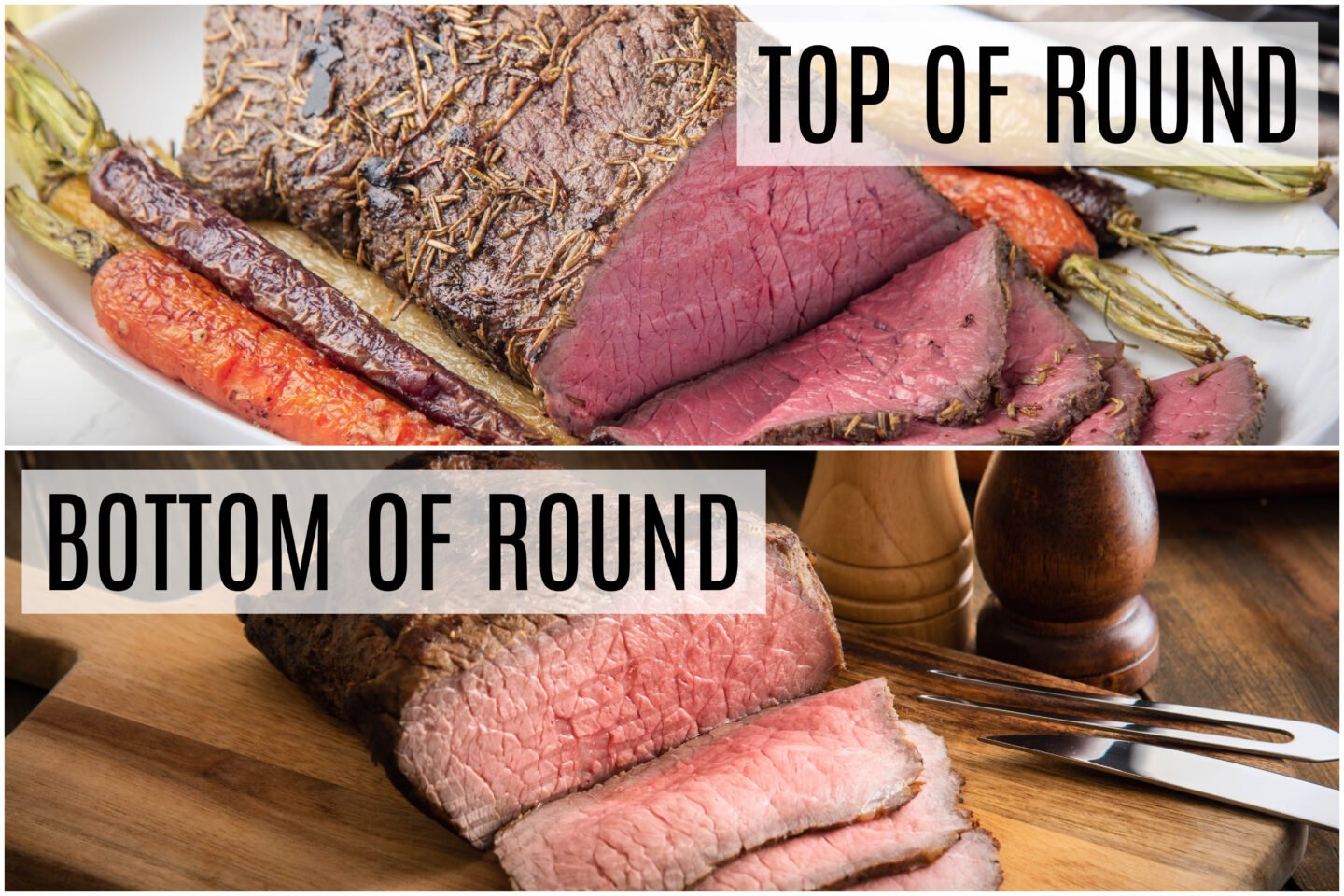
Let’s talk about two of the most misunderstood cuts of beef in your kitchen: the Bottom Round and the Top Round. These are the Rodney Dangerfields of the cow—they get no respect, but they’re secretly packed with flavor and potential. And unlike that fancy ribeye that costs more than your rent, these roasts are budget-friendly enough to buy with pocket change.
First, a quick anatomy lesson so you can sound smart at the next backyard BBQ. The Bottom Round comes from the cow’s hind leg, right near the rump. Imagine the cow’s thigh—the part that does all the walking and running. The Top Round sits just above it, closer to the tail, a leaner, slightly more tender cousin. Think of them as the workhorses of the beef world: tough, muscular, and absolutely not filet mignon.
The Tougher One: Bottom Round Roast
The Bottom Round is the bouncer of the butcher’s case: big, dense, and liable to make your jaw tired if you disrespect it. It’s so lean and tough that if you roast it whole without care, it’ll come out like a leather shoe—tasteless and chewy. But here’s the surprising fact: this cut has a rich, beefy flavor that’s even deeper than a ribeye. It’s all about how you treat it.
Must Read
The secret sauce here is low and slow cooking—we’re talking 300°F for hours, or until it’s fall-apart tender. Think pot roast, braised in broth with onions and carrots, where the meat becomes so soft it surrenders. Or, do something wild: slice it paper-thin and use it for Italian beef sandwiches. Pro tip: a Bottom Round roast is your ticket to homemade jerky that’ll make store-bought taste like cardboard.
The Drama of Slicing
Here’s where people mess up royally. You must, must slice Bottom Round against the grain. The grain runs long and tough like telephone wires, and slicing with it gives you stringy, impossible-to-chew strips. Cut perpendicular to those lines, and suddenly it’s tender enough for a king. Ignore this, and your dinner will feel like a punishment—I once saw a man cry over a poorly sliced Bottom Round sandwich.
The Smoother Operator: Top Round Roast
The Top Round is the suave, slightly more refined sibling. It’s lean too, but with a bit more tenderness, making it the ultimate roast beef candidate. You know that pink, juicy roast beef at holiday dinners? That’s likely a Top Round, carved thin and proud. It’s also the cut behind deli-style roast beef—yes, the stuff that makes a sandwich feel fancy without the price tag.
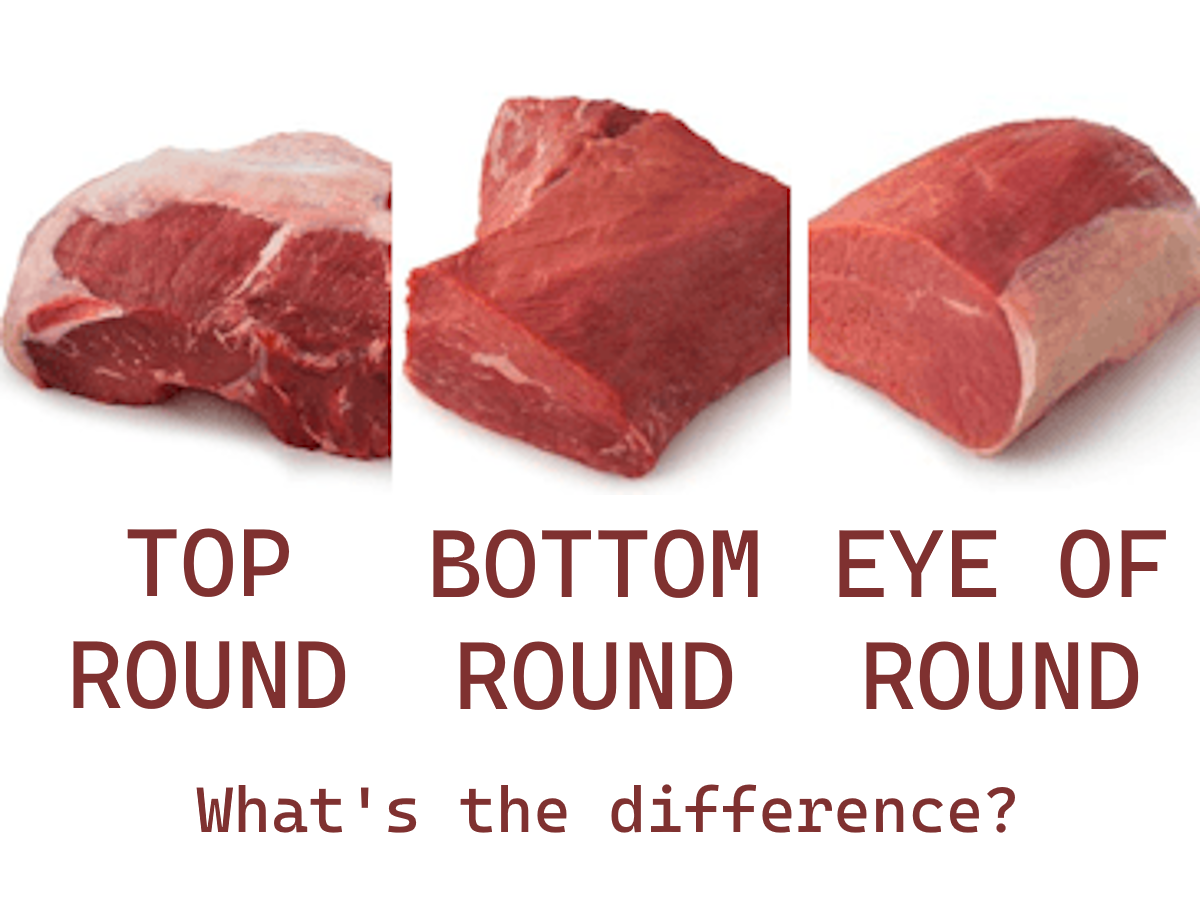 Top Round vs Bottom Round vs Eye of Round - Kitchen Cognition
Cooking a Top Round is like walking a tightrope: low heat to avoid dryness, and pull it out the instant it hits 130°F for medium-rare. Any higher, and it turns into sawdust. Season it aggressively with salt, pepper, garlic, and maybe a smidge of rosemary. The magic happens when you let it rest for 15 minutes, tented in foil—this allows the juices to stop panicking and redistribute.
The Shocking Truth About Marinades
Here’s a wild fact: both cuts are so lean that marinating does almost nothing for tenderness. Acid-based marinades (vinegar, lemon juice) only break down the surface, not the tough fibers inside. Instead, use a dry brine—salt it the night before and let it sit in the fridge. The salt draws out moisture, then reabsorbs it with flavor, making the meat juicier. Science, baby.
Which One Wins? It Depends on Your Grit
If you want a showstopper for a dinner party, go with Top Round. It’s forgiving, slices beautifully, and looks like you spent $60 when you spent $12. But if you’re a patient home cook who loves big, bold flavors and cheap cuts, Bottom Round is your soulmate. It rewards the bold, the people who are willing to braise for three hours and drink wine while they wait.
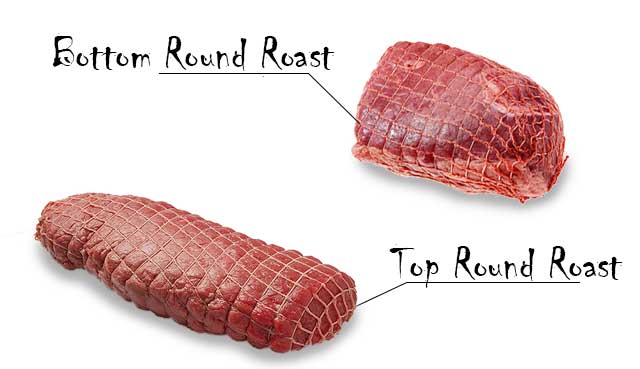 What is Top Round Roast exactly & how to cook it
Let’s not forget the price difference: Bottom Round is often a dollar cheaper per pound than Top Round. That’s savings you can use to buy a fancy wine or a new apron. And here’s a shocking fact: both cuts are among the healthiest red meats, packed with protein and iron, with less fat than a chicken thigh. Yes, you heard me—lean beef can be your gym buddy.
Final Pro Tips, Straight from a Meat Nerd
Never throw either cut into a hot pan and sear it without a plan. Sear it hard first (30 seconds per side) for flavor, then roast or braise. And always, always let the roast rest before cutting—10 minutes minimum. If you slice it hot, all the juices will run out onto the cutting board, and you’ll cry into your potatoes.
In the great Bottom Round vs. Top Round showdown, there’s no loser—only winners who know how to cook them right. So go ahead, grab one, and show that piece of beef who’s boss. Your wallet and your belly will thank you.