
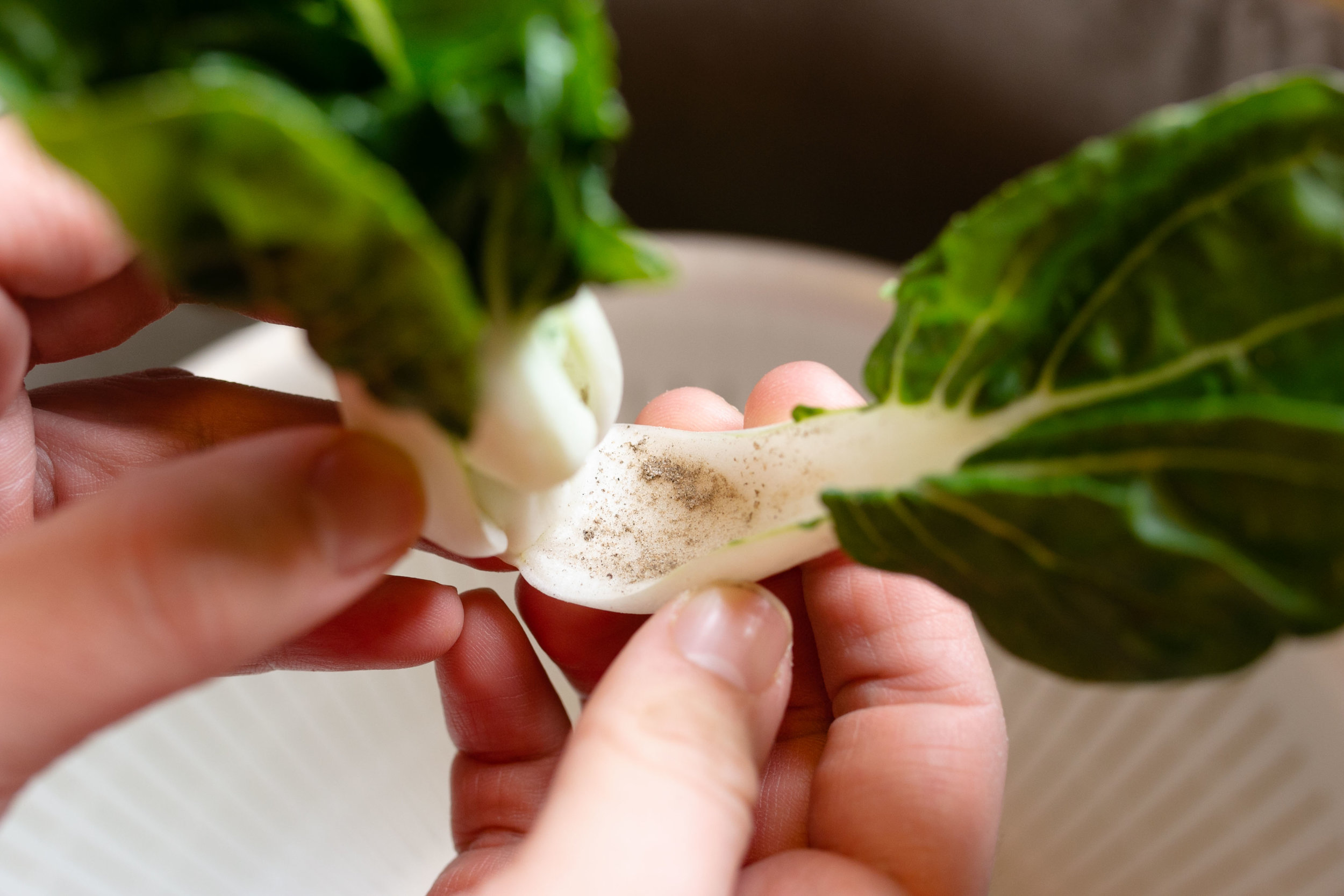
So, picture this: last Tuesday, I’m all set for a quick stir-fry. I rinse my beautiful bok choy, give it a happy little shake, and then I see them—speckles of brown dotting the crisp white stalks like some kind of vegetable freckle. My heart sank for a second.
I immediately panicked. Was it mold? A disease? Had my farmers’ market haul gone rogue? I nearly tossed the whole bunch into the compost bin before my inner cheapskate screamed, “Hold up, let’s investigate.”
Here’s the thing: brown spots on bok choy are usually not the end of the world. Unless your greens smell like a damp basement or feel like squishy goo, you’ve probably just got some cosmetic damage.
Must Read
Let’s talk about what those spots actually are. Most of the time, we’re dealing with physiological spotting—basically, the plant had a stressful life. It’s like when you get a pimple before a big presentation.
Bok choy is a thirsty plant, but it’s also dramatic. If it gets too dry, then too wet, or if a cold snap hits? Blam. Brown spots appear as a cry for help. It’s not rotting; it’s just throwing a tantrum.
Another culprit is “tip burn”—a calcium deficiency that shows up as brown edges. Think of it as the plant’s version of a split end. Annoying, yes, but totally harmless to you.
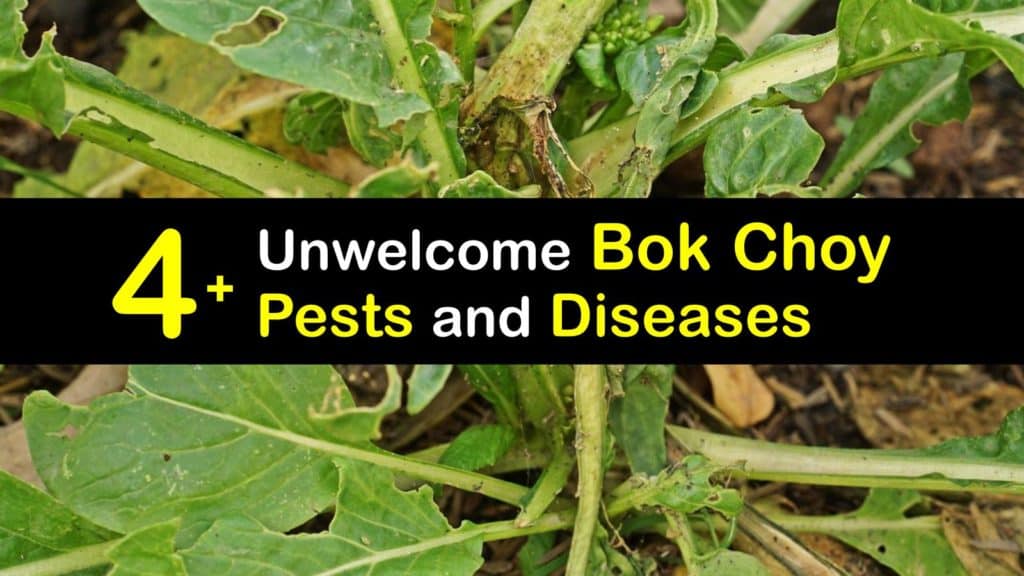
Then there’s the sneaky pest situation. Flea beetles are tiny jerks that chew tiny holes, which then turn brown and scabby. If you see little zigzag patterns or specks that look like pepper, that’s bug damage.
So, can you eat it? (The million-dollar question)
Yes, you can. Usually. Cut off the worst spots with a sharp knife. If the brown is just on the leaf edge, trim it off with a good snip-snap. The rest of the stalk is perfectly crisp.
 A Bok Choy How-To Guide — Food Roots
Your bok choy is still packed with vitamins. The brown spots are just a cosmetic flaw—like a celebrity without makeup. It’s still the same person underneath, just a little less glamorous.
I even read that some of that browning is a reaction to phenolic compounds—the plant’s natural sunscreen. So, in a weird way, those spots mean it was fighting the good fight against UV rays. Heroic, really.
When should you absolutely toss it?
Look, I’m not saying you should eat everything. If the spots are mushy, slimy, or smell like old socks—that’s rot. Bin it. No heroic eating of bacterial slime.
Also, if the whole leaf is yellow and collapsing, that’s not a spot issue—that’s a “this vegetable gave up on life” issue. Time to say goodbye.
But for those little freckles? Chop them off and move on. I ate that “spotted” bok choy from my story, stir-fried with garlic and soy sauce. It was delicious. No regrets.
 4+ Unwelcome Bok Choy Pests and Diseases (2026)
A quick guide to spot-triaging
Here’s your mental checklist (imagine me handing you a magnifying glass): Firm stalks? Fine. Brown edges only? Fine. Spots that feel like a scab? Fine. Smells like a swamp? Not fine.
One ironic thing: sometimes the “ugliest” bok choy from the farmers’ market is the best tasting. Commercial growers pick hybrids that look perfect but have zero soul. Your spotted bunch? It lived a real life.
And hey, if you’re cooking it down for soup or a braise, you don’t even need to be super precise. Heat kills most bacteria, and any brown bits just blend into the background. It’s like a secret ingredient—your dinner guests will never know.
Honestly, I think we’ve been brainwashed by the grocery store into thinking produce should look like plastic. Nature doesn’t do perfect. A little brown is just Mother Nature’s version of a “been through some stuff” sticker.
So next time you see those spots? Take a deep breath. You’re not eating poison; you’re eating a vegetable that had character. Slice it, sauté it, and give it a little respect.
Just, you know, wash it first. Those flea beetles may have moved on, but you don’t want their leftover dust bunnies in your dinner. Trust me on that one.