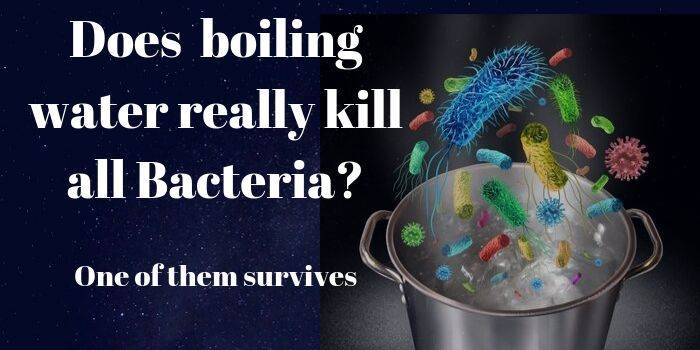
So, you’ve just realized you left your water bottle in the sun for three days, and now it looks like a science experiment. Your first instinct is to nuke it with boiling water to kill the bad guys, right? Well, hold your horses—and your kettle—because the answer to “Can bacteria survive in boiling water?” is a gloriously complicated “mostly no, but sometimes heck yes.”
Let’s start with the good news, which will make your inner germaphobe do a happy dance. Most common bacteria, like the ones that cause food poisoning or that funky smell in your gym bag, are absolute wimps when it comes to heat. Crank that water up to 212°F (100°C) at sea level, and they’re toast—literally. Their little protein structures unfold and clump up like a bad omelet, and they die within seconds. Boiling water is basically the Terminator for 99.9% of your average germs. Phew, right?
But here’s where it gets weird, and where your café conversation takes a sharp left turn into science fiction. Meet the extremophiles, the Übermenschen of the microbial world. These are bacteria that look at a pot of boiling water and say, “Is that all you’ve got?” Some of them, like Thermus aquaticus, chill out in hot springs and geysers—temperatures that would melt your face off. They thrive in boiling water. Yes, you read that right: there are bacteria that need a rolling boil to have a good time. They’re basically the adrenaline junkies of the microscopic world, doing backflips in your kettle.
Must Read
But Wait, There’s More (The Scary Part)
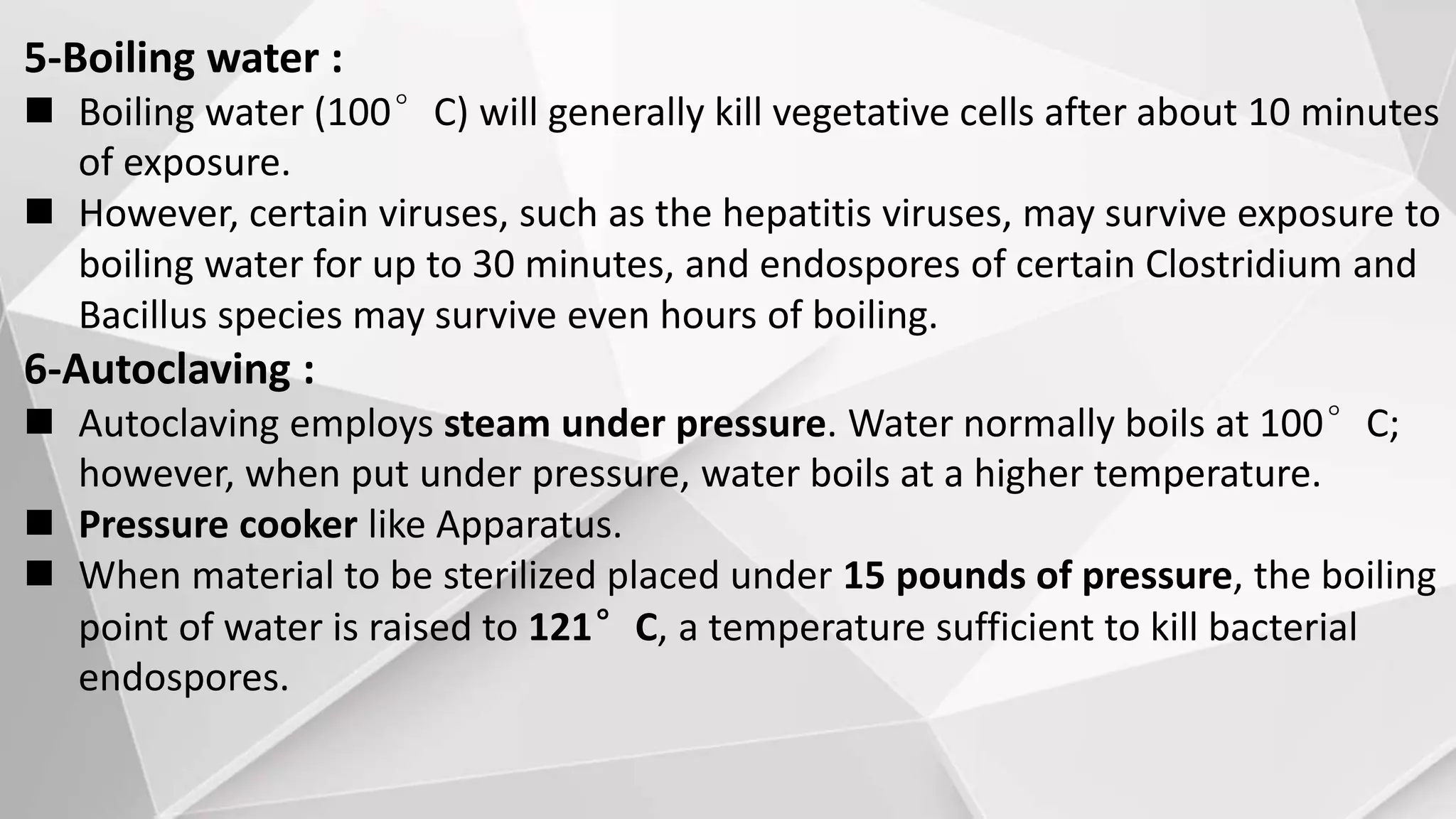
Even if you’re not dealing with Yellowstone-jockey bacteria, some regular germs are sneaky little survivors. They produce what biologists call endospores—imagine a bacteria putting on a tiny biological spacesuit made of Kevlar and concrete. Bacillus and Clostridium (the gang behind botulism and tetanus) are masters of this. These spore-forms can survive a three-hour boiling bath without a scratch. They’re like that one friend who shows up to your pool party with a full wetsuit and scuba tank.
Why doesn’t your kettle kill them? Because the spores are in a state of suspended animation—completely dry, super tough, and waiting for better times. Once the water cools down, they wake up, stretch their flagella, and start partying again. Boiling water is just a temporary inconvenience for them, like a traffic jam on their way to a buffet. Don’t panic yet, though—these spores rarely cause disease in healthy people, but they’re a big deal for medical equipment and canned food.
The Altitude Factor: When Your Boil Isn’t Really Boiling
Here’s a fun twist that will make you feel like a chemistry nerd. At sea level, water boils at 212°F. But if you’re camping in the Rocky Mountains, water boils at around 198°F because the air pressure is lower. Lower boiling point = cooler water = bacteria having a much better time. At altitude, your “boiling” water is actually lukewarm to a determined microbe. So if you’re trying to purify stream water in Colorado, you need to boil it for three full minutes—or use a filter. Otherwise, you’re just making a germ tea.
 Control of microorganisms by using temperature | PPTX
Let’s not forget the pressure cooker, which is like giving your pot a superpower. At 15 psi of pressure, water boils at a screaming 250°F. That temperature will obliterate even the toughest endospores. That’s why hospitals and canneries use them. A pressure cooker is the nuclear option in the war on microbes. Your grandma’s pasta pot? It’s more like a polite suggestion.
So, Should You Boil Everything Forever?
Look, for most practical purposes—like making water safe to drink after a camping trip or sanitizing a baby bottle—a good rolling boil for one minute is totally fine. The bacteria that cause diarrhea, cholera, and typhoid are weaklings. They die faster than a snowball in a sauna. But if you’re a paranoid survivalist with a jar of suspicious river water, you need to boil it for 10 minutes, use a pressure cooker, or add a drop of bleach. And if you’re a scientist studying hot springs, you’ll be disappointed to find that Thermus aquaticus thrives in your kettle. It’s a humbling lesson: nature always has a plan B.
Here’s the punchline. You cannot “sterilize” water by simple boiling—not truly. Sterilization means killing every living thing, including the spores. To do that, you need superheated steam or chemical warfare. Your kettle is a fine germ-buster, but not a god. It’s like using a squirt gun to fight a wildfire—great for small fires, silly for lava pits. So next time you boil water, give a little nod to the extremophiles and spore-lurkers out there. They’re the reason science is never boring, and why you should never drink from a hot spring in Iceland, no matter how Instagram-worthy it looks.
In conclusion: Yes, bacteria can survive boiling water—if they’re the right kind of insane. But for the bacteria that give you the runs? Boil away, my friend. Just watch your altitude, and remember that the universe has a sense of humor. And if you’re ever feeling too confident, just think about that single spore of Clostridium botulinum laughing at your kettle from inside a can of beans. Cheers!