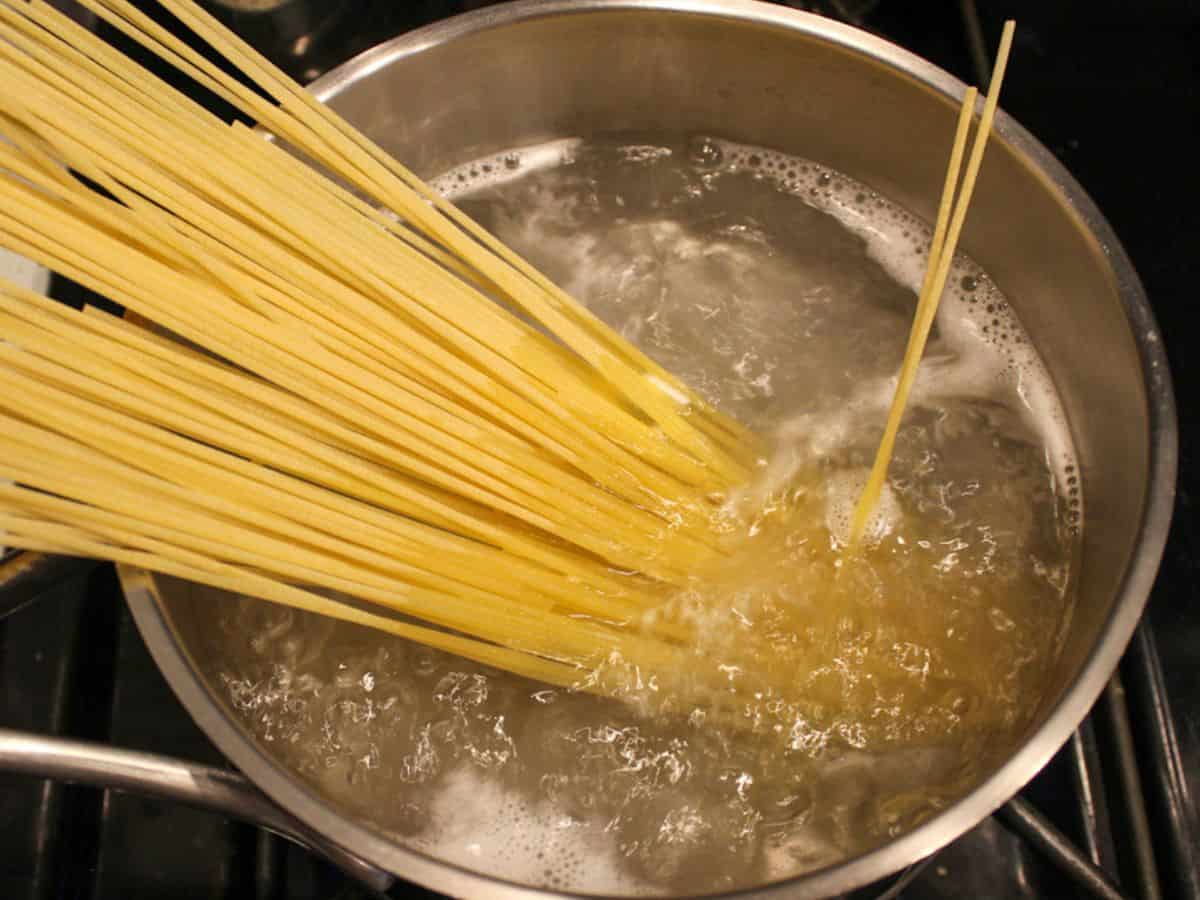
Let’s get one thing straight before your kitchen becomes a crime scene: you can boil pasta in sauce, but the results are a glorious, high-stakes gamble. It’s like trying to bake a cake in a campfire—possible, but you’d better have marshmallows ready for when it goes sideways. Forget everything your Italian grandmother whispered into your ear; we’re about to break the rules and maybe start a small family feud.
The Great Pasta-Sauce Conspiracy
First, a reality check: standard boxed pasta is a dry sponge that needs a bath of boiling water to soften up. Sauce, on the other hand, is a thick, flavorful goo that loves to burn faster than a vampire in a tanning booth. When you drop dry pasta directly into sauce, you’re asking the sauce to do double duty—hydrate and season at the same time.
Here’s the math you didn’t ask for: pasta absorbs about 1.5 times its weight in water. If your sauce doesn’t have enough liquid to spare, your noodles will suck it dry, leaving you with a gluey brick of regret. Ever eaten a spoonful of tomato paste? Yeah, that’s the texture you’re courting.
Must Read
But wait—there’s a secret trick that professional pasta nerd James Beard figured out decades ago. He called it “risottata” method, which is just fancy Italian for “don’t panic, add more water.”
The One Occasion Where This Works
Imagine you’re in a tiny apartment with one burner, a hangover, and a fridge that smells like a teenager’s gym bag. You have dry spaghetti and a jar of sauce, but no pot big enough to boil water. This is your moment of glory.
Pour the sauce into a wide skillet, then add about ¾ cup of plain water per cup of sauce. That extra liquid is your safety net—it’s like giving the sauce a life jacket before the pasta cannonball dives in. Break the spaghetti in half (I know, the shape purists are already sharpening their knives) and lay it in the sauce cold.
Now, crank the heat to medium and stir like you’re auditioning for a pasta-cooking infomercial. The key is to keep the sauce at a gentle, bubbly simmer—not a raging boil that spits red lava all over your stove. Stir every 30 seconds, because sauce burns faster than a love letter in a bonfire.
 How To Boil Pasta With Sauce
Surprising Fact: You’ll Get More Flavor
Here’s the payoff that shocks even experienced cooks: the pasta releases starch directly into the sauce, which thickens and clings to the noodles like a velcro hug. The result? A sauce that’s richer, silkier, and so attached to your pasta that it can’t be shaken off—unlike your ex’s emotional baggage.
Scientists call this “starch gelatinization,” but I call it “why dinner tastes better than any restaurant.” The pasta also absorbs some of the sauce’s flavor deep into its core, so every bite is a tiny flavor bomb. You’ll never look at a bland, boiled noodle the same way again.
The Dangerous Trap: Too Little Liquid
If you skip adding extra water, your sauce will turn into a sticky, burnt crust that looks like the surface of a dead planet. I’ve done this. The smoke alarm became the soundtrack to my pathetic dinner. I ended up eating toast with hot sauce, which is the pasta equivalent of a sad trombone sound.
Also, never try this with thick sauces like pesto or Alfredo. Those are dairy-based and will curdle faster than a cat in a cucumber maze. Stick to tomato-based sauces with high liquid content—marinara, arrabbiata, or that jar of “fra diavolo” that’s been hiding in your pantry since 2019.
 Boiling Pasta In Tomato Sauce: A Time-Saving Cooking Hack? | CyPasta
The Ultimate Hack: Reserve Your Guts
Before you drop any pasta, scoop out a cup of the extra water you added. If things get too thick, that reserved water becomes your miracle elixir. Pour it in a splash at a time, and the sauce loosens up like a yoga instructor after a hot tub.
Pro tip: Finish with a pat of butter and a fistful of Parmesan. The fat binds everything together, making the texture so silky your taste buds will weep. I did this once for a dinner party, and a guest asked if I’d secretly flown to Rome. I didn’t correct him.
The Verdict: Should You Do It?
Yes, but only when you’re lazy, desperate, or a rebel. On a regular Tuesday night, boiling pasta in water is still easier and less risky—like walking a friendly golden retriever instead of a grumpy badger. But when you want a saucy, one-pot miracle that saves you a dish to wash, the pasta-in-sauce method is your reckless, delicious friend.
Just remember: if your sauce starts smoking, you’ve gone too far. Turn off the heat, call it “deconstructed pasta bake,” and nobody will know the difference. You’re a culinary artist now—embrace the chaos.
Now go forth and break grandma’s rules. She’ll never know unless you post it on Instagram. And if you do, tag me in the comments—I want to see your beautiful, sticky, gloriously improvised pile of pasta al disastro.