
So there I was, 2 AM, staring into the fridge like it owed me money. A leftover slice of pizza, half a jar of pickles, and a single, lonely egg. The stove? Off-limits (roommate sleeping). The skillet? Dirty. My grumbling stomach had exactly one question: Can I cook this egg in the microwave? I decided to find out—and boy, did I find out.
Let’s save you from my mistakes. Yes, you can cook eggs in the microwave. But—and this is a big, yolky but—you have to do it right. Otherwise, you’re one button-push away from a very loud, very messy explosion. Trust me, cleaning egg off the microwave ceiling is not the midnight snack you want.
The Great Egg-Explosion Fear (And How to Avoid It)
The biggest fear here is the steam bomb. When you microwave an egg in its shell, the inside heats up fast, pressure builds, and BAM—you’ve got a yolk volcano. It’s not cute. It’s a kitchen crime scene.
Must Read
So, never microwave a whole egg in its shell. Seriously. Don’t even think about it. You’ll regret it, and your microwave will hold a grudge. Instead, crack that egg into a microwave-safe bowl, mug, or ramekin. See? We’re already being smarter.
Think of it like this: the microwave is a speedy but impatient chef. It works fast, but it has no patience for delicate shells. Give it a broken egg, and it becomes your best friend. Keep the shell on? You’ll be scrubbing yolk off the walls.
Scrambled in 60 Seconds: The Lazy Person’s Dream
Scrambled eggs are the easiest win. Crack an egg into a mug, add a splash of milk (or water, if you’re being monk-like), and whisk it with a fork. Whisk it well—don’t leave a whole white chunk floating around, or it’ll cook unevenly and freak you out.
Microwave it in 15-second bursts, stirring between each one. This is key. If you nuke it for two minutes straight, you’ll get a rubbery, sad egg puck. Nobody wants that. After about 45 seconds total, you’ll have fluffy, hot eggs that taste surprisingly good.
I’ve done this at work. No joke. It’s faster than the line at the cafeteria, and you can add cheese or hot sauce without anyone judging you. (Pro tip: do not microwave a metal fork. Use a plastic or wooden one. You’re welcome.)
 Microwave Egg Cooking: Safe Steps for Perfect Results
Poached Eggs: Fancy Without the Effort
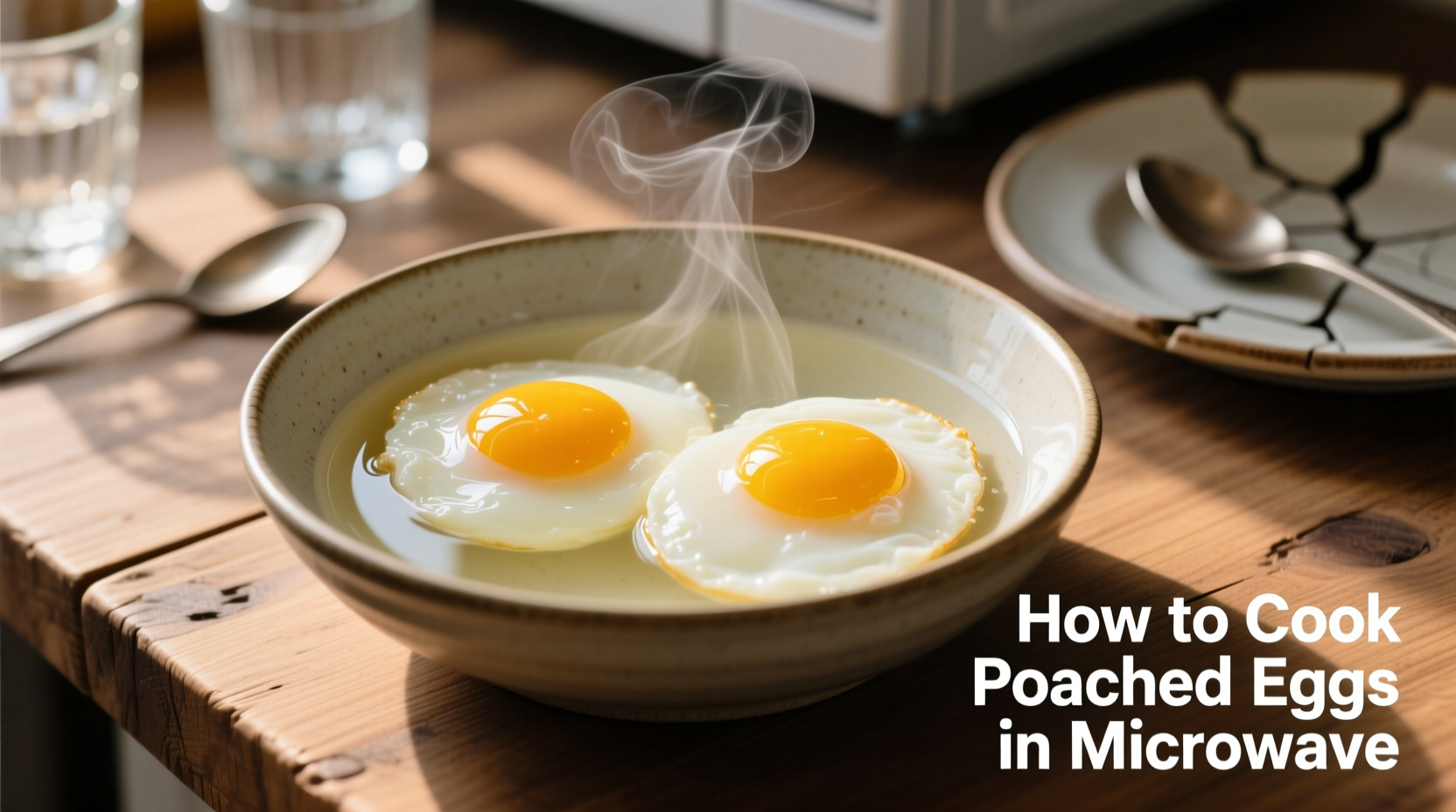
Yes, you can poach an egg in the microwave. It sounds like wizardry, but it’s just physics. Fill a microwave-safe cup or bowl with half a cup of water. Crack an egg into the water—gently, so the yolk stays intact. Cover the bowl with a plate or plastic wrap (with a tiny vent hole, please).
Microwave for 45 seconds to 1 minute, depending on your wattage. The white should be set and the yolk a little runny. Remove it with a slotted spoon, pat it dry, and boom—you’re a brunch god. Honestly, it’s easier than doing it on the stove. No swirling water, no vinegar, no stress.
Just don’t overcook it. One extra minute and you’ve got a hard-boiled yolk floating in a sad bath. Timing is everything here, so watch it like a hawk.
The Sunny-Side-Up Gamble
Want a fried egg without the frying? It’s tricky but doable. Lightly grease a microwave-safe plate with butter or oil. Crack your egg on the plate and poke the yolk gently with a toothpick or fork tip. Yes, poke it. This stops it from exploding.
Cover the plate with a microwave-safe lid or another plate. Cook on medium power for 45 seconds to 1 minute. The white will be set, and the yolk will be soft. It won’t have that crispy edge you get from a pan, but it’s still a perfectly good egg.
 How Long to Cook Scrambled Eggs: Perfect Timing Every Time
Is it as good as stovetop? Honestly, no. But when you’re desperate or lazy, it hits the spot. And let’s be real—sometimes “good enough” is exactly what we need at 2 AM.
Hard-Boiled? Kind Of. Sort Of. Not Really.
You can’t really hard-boil an egg in the microwave because, again, the shell is a tiny pressure cooker. But you can make “hard-cooked” eggs. Crack an egg into a greased mug, whisk it with a little salt, and microwave in 20-second bursts until set. Chop it up for salad or just eat it with a spoon.
It’s not the same as peeling a perfect boiled egg, but it’s fast. And if you’re using it for egg salad or deviled eggs, nobody will know the difference. I won’t tell if you won’t.
One more thing: salt your eggs after cooking, not before. Salt before microwaving can make them tough and dry. The microwave already dries stuff out—don’t help it ruin your breakfast.
So, can you cook eggs in the microwave? Absolutely. Just don’t be a hero. Crack them, stir them, watch them, and clean up immediately if you mess up. Your microwave is a tool, not a miracle worker. But with a little know-how, it’ll make you the fastest egg chef in town.
Now go make yourself a midnight snack. And maybe clean that yolk off the ceiling.