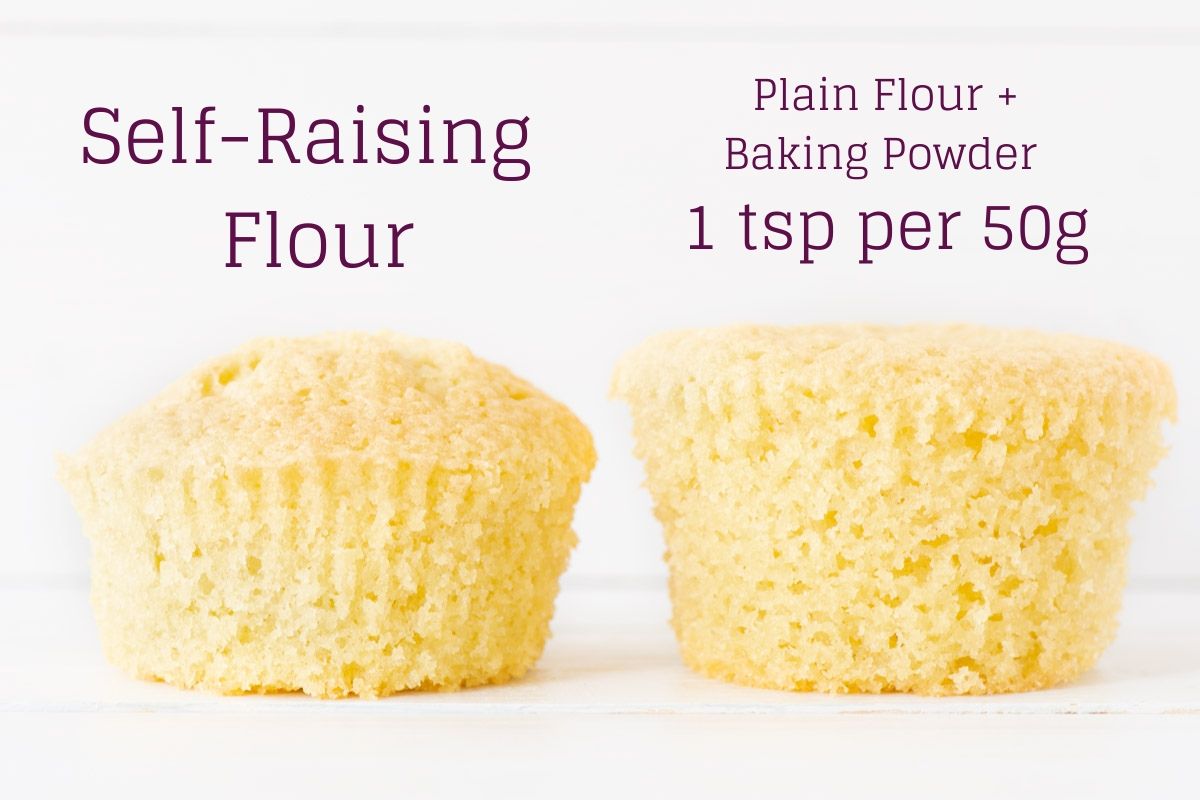
Okay, let’s get real for a second. You’re halfway through a recipe, flour’s all over the counter, and you hit the wall. The recipe screams for plain flour, but your cupboard only offers up self-raising flour. Panic sets in. Should you just wing it? Grab your coffee, friend. We need to talk.
The Short, Honest Answer
Yes, you can. But—and it’s a big, fluffy “but”—it’s not a straight swap. Think of plain flour as your quiet, reliable friend. Self-raising flour is that same friend after three espressos and a surprise party. It already has baking powder and a pinch of salt mixed in. That’s the whole secret.
So why does this matter? Because baking is basically a delicious science experiment. Self-raising flour wants to rise, puff up, and get all dramatic. Plain flour just wants to hold things together without the fanfare. Swap them blindly, and your cookies might turn into rock-hard biscuits. Or worse, your cake could collapse like a sad soufflé at a funeral.
When It’s a Disaster Waiting to Happen
Let’s talk about cookies. You know those perfect, chewy, slightly flat chocolate chip cookies? They rely on controlled spread. Self-raising flour will make them puff up like little pillows. Then they’ll fall, leaving you with a crumbly, cakey mess. Not ideal.
What about a pie crust? Oh, honey, no. You want that crust flaky, not fluffy. Self-raising flour will turn your lovely, buttery pastry into something that belongs in a scone—not a quiche. Same goes for biscuits (the American kind) that need to be flat and crisp. Self-raising flour makes them look like they’re auditioning for a cloud.
 Using Self Raising Flour Instead Of Plain
When You Can Get Away with It
Here’s the good news: some recipes are forgiving. Think muffins or pancakes. They want to be fluffy and tall. Self-raising flour is basically cheating. Just don’t add any extra baking powder. You don’t want your muffins to levitate off the counter.
Fruit crumbles are another safe bet. The topping is supposed to be a bit lumpy and messy. Self-raising flour gives it a nice, light crunch without ruining the party. And drop scones? Yes, please. They love the extra lift. Just don’t tell the recipe you’re improvising.
The Math of Desperation
Okay, so you’re stubborn and you want to use self-raising flour for a cake. Fine. I see you. Here’s your lifeline: subtract the raising agents. For every cup of self-raising flour, pretend you’ve already added 1½ teaspoons of baking powder and ¼ teaspoon of salt. So, remove that much from your recipe. It’s a little mental gymnastics, but it works.
 Plain vs Self-Raising Flour: The Difference & Magic Ratio
But wait—what if the recipe calls for both plain flour and extra baking powder? That’s a trap. Self-raising flour already has that covered. Using it would double the leavening. Your cake might rise like a rocket, then collapse into a sad crater. Trust me, I’ve seen it. I still have the photos to prove it.
The Golden Rule for Bread
Bread is a whole different beast. You want structure, chew, and a crust that fights back. Self-raising flour makes bread too soft and crumbly. It’s like trying to build a skyscraper with marshmallows. Don’t do it. Stick with plain flour and let the yeast do its slow, magical dance.
 can i use self raising flour instead of plain flour and baking powder
What about pizza dough? Same story. You need that chewy, crisp base. Self-raising flour will give you a sad, cake-like crust. Your toppings will slide off in protest. Your friends will judge you silently. No, thank you.
The Ultimate Cheat Sheet
Let’s wrap this up over a virtual second cup. Here’s your quick reference: cookies, pie crusts, bread, pizza—keep plain flour. Muffins, pancakes, crumbles, soda bread—self-raising is your new bestie. If you’re in doubt, ask yourself: “Do I want this to stand tall or stay flat?” Then pick your flour accordingly.
And hey, if you really mess up? That’s okay. Call it a “rustic, experimental bake.” Pour some more coffee. Eat the evidence. That’s the real secret to being a great cook—knowing when to laugh at your own mistakes. Now go forth and flour wisely, my friend.