Last Tuesday, I stood in my kitchen, staring at a half-empty jar of tomato sauce and a recipe that aggressively demanded tomato puree. My dinner plans—a rustic pasta sauce from scratch—were hanging by a thread, and my pride was on the line. I could almost hear the recipe scoffing at me: “No shortcuts, coward.”
But I’m a rebel with a pantry problem, so I poured that tomato sauce right in. And you know what? The pasta was delicious. That little victory got me thinking: can you actually swap tomato sauce for tomato puree without summoning a culinary disaster? Let’s dig in, shall we?
The Great Tomato Identity Crisis
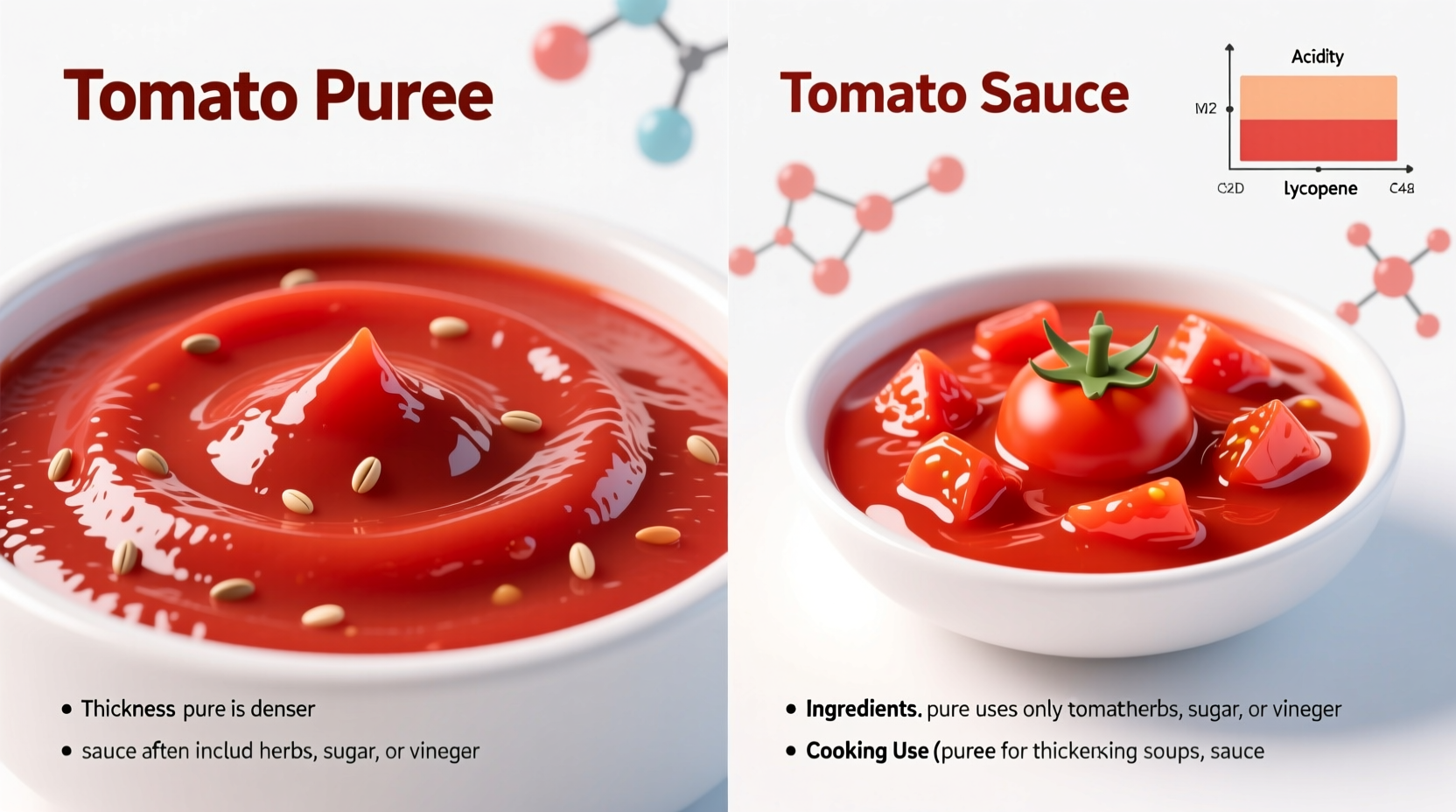
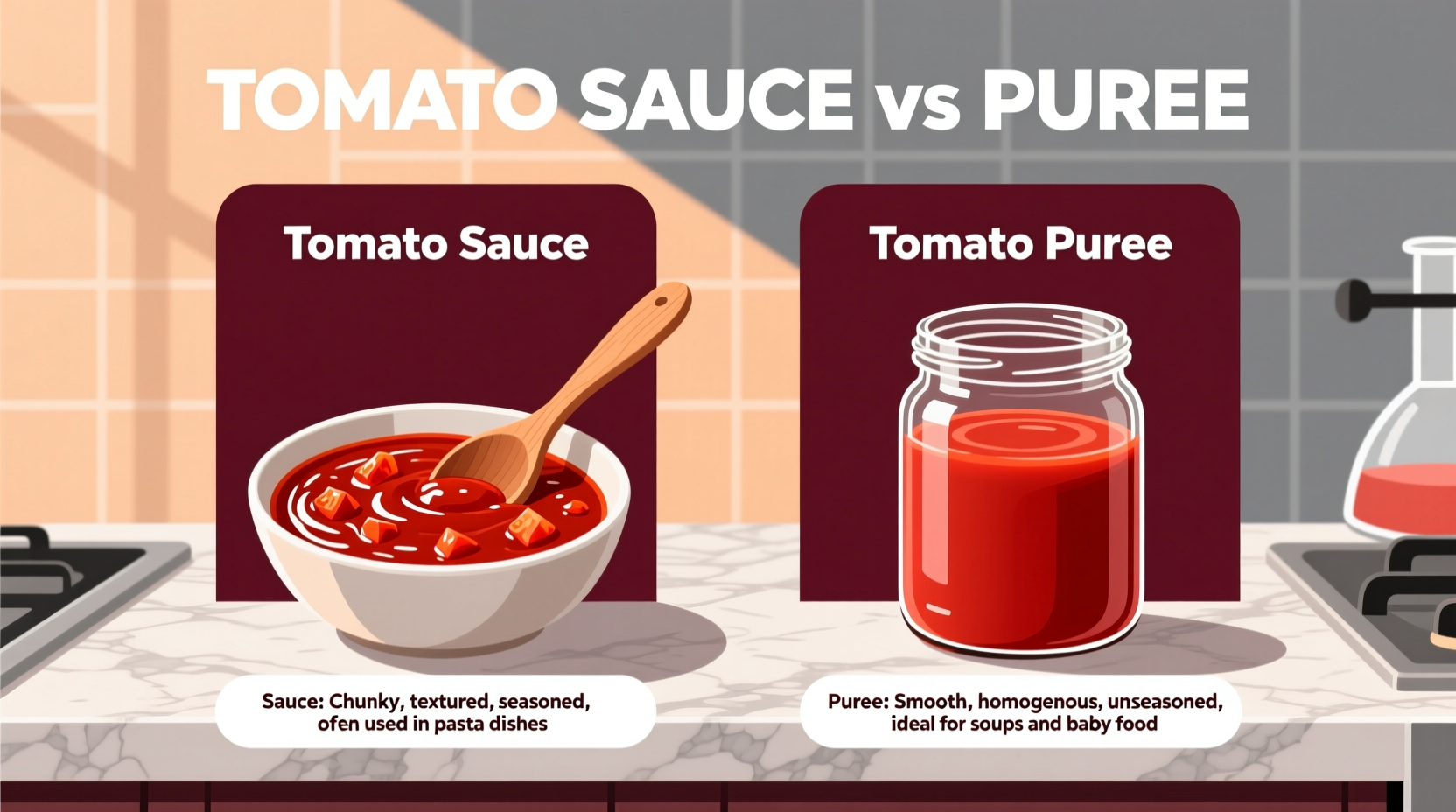
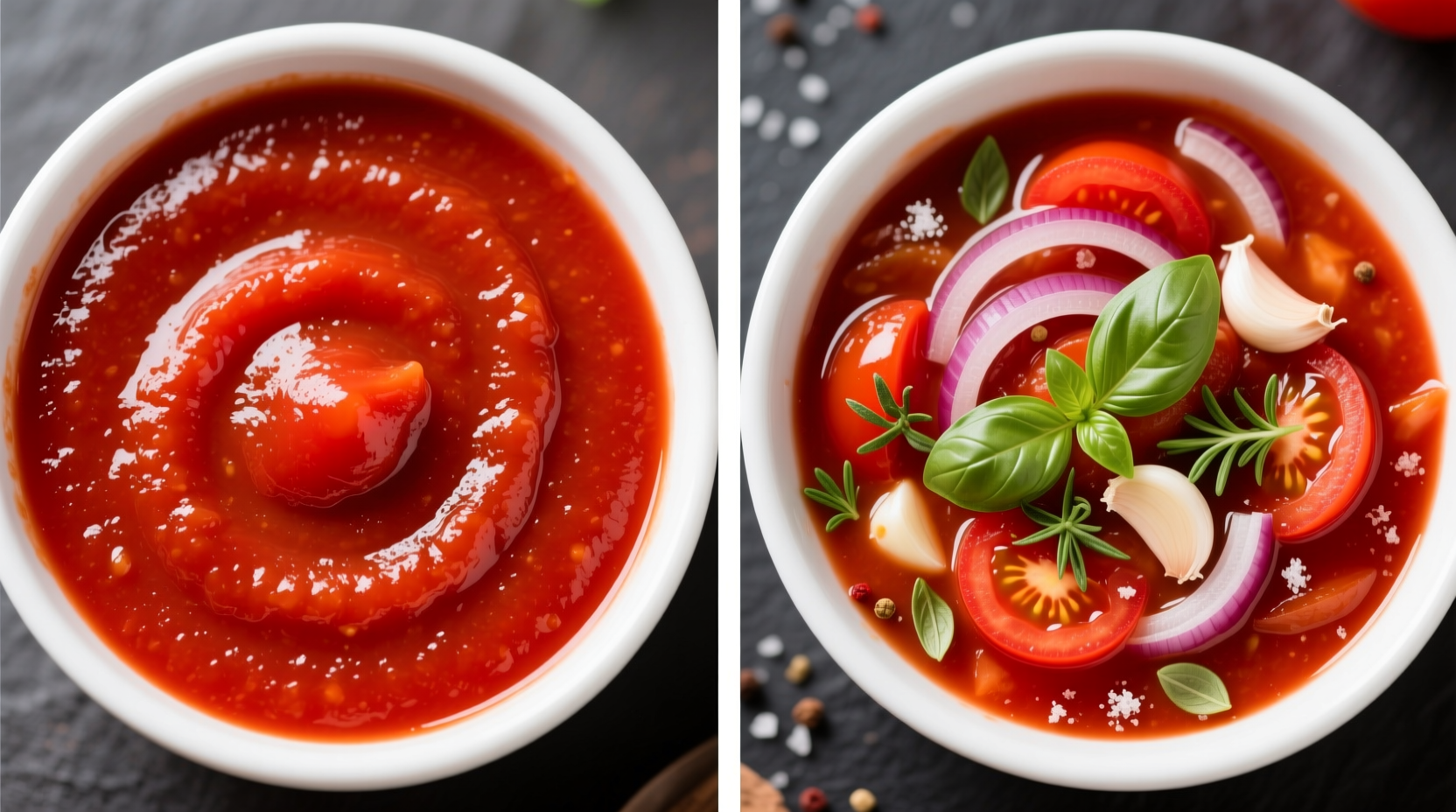
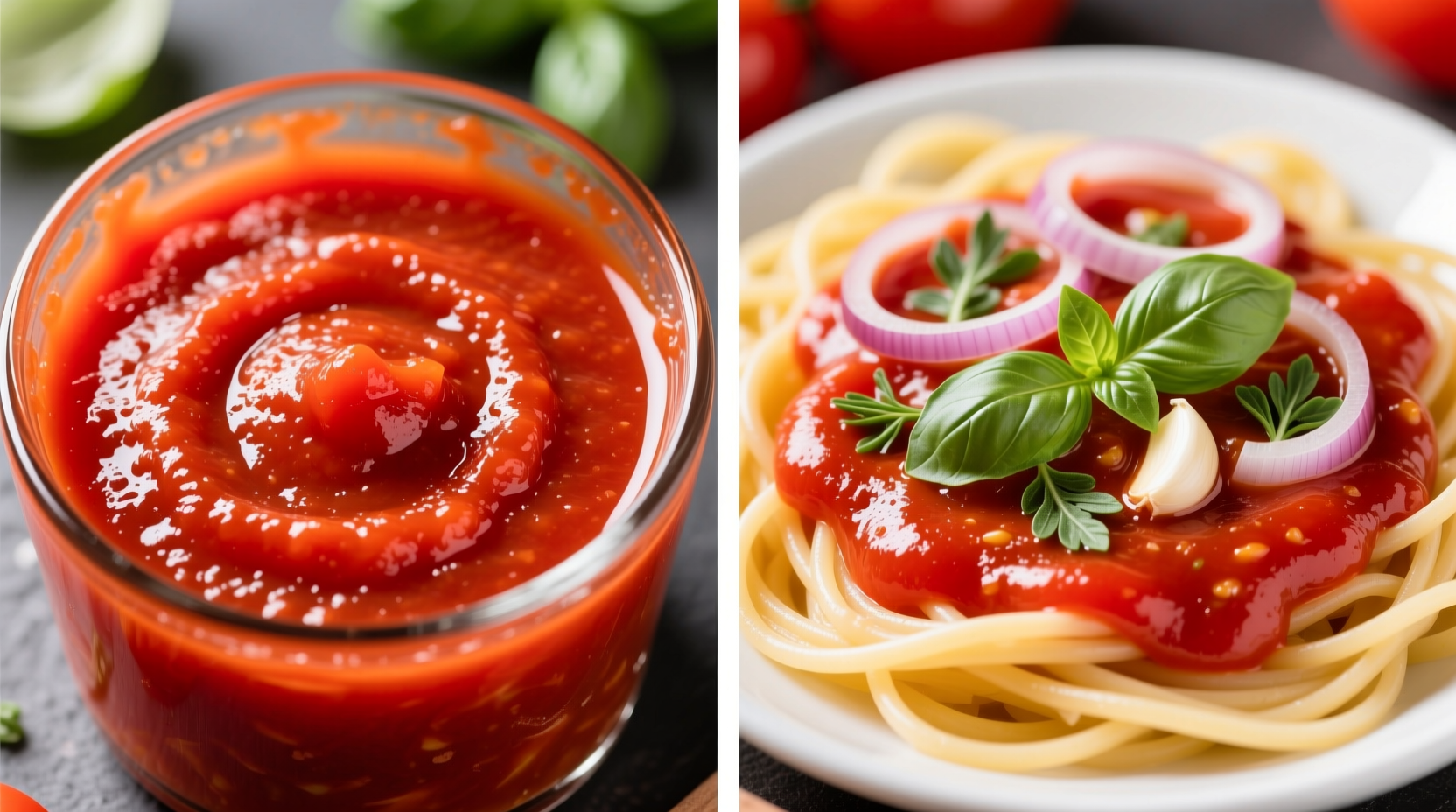
First, let’s get real about what these two are, because they’re not the same—trust me. Tomato puree is unseasoned, thick, and concentrated, like a tomato that’s been hitting the gym. Tomato sauce, on the other hand, is usually thinner, cooked with herbs, garlic, or onion, and ready to party on a pizza.
Must Read
So, when you swap them, you’re not just changing texture; you’re inviting a whole flavor squad into your dish. If your recipe expects a blank canvas, that garlicky sauce might scream louder than you bargained for.
But here’s the kicker: it can work. You just need to know the rules of engagement—and a little bit of kitchen math.
When It’s a Yes (And When It’s a Hard No)
For dishes that depend on tomato purity—like a delicate tomato bisque or a precise marinara from scratch—using sauce is a betrayal. You’ll lose that clean, tangy depth, and your soup might end up tasting like a leftover pizza topping. Don’t do it.
But for heartier recipes—think chili, stews, or baked pasta—tomato sauce can be your secret weapon. The extra seasoning adds a layer of complexity that simulated simplicity can’t match. Just remember to adjust your salt and spices because commercial sauce is often already salted to the moon.
 Tomato Sauce vs Puree: Clear Differences Explained
And here’s a side note for you, my fellow kitchen adventurer: never use a sweetened ketchup-style sauce unless you want dessert chili. Check the label—if it says “tomato sauce,” it’s usually safe. If it says “ketchup,” run.
The Thick and Thin of It
Tomato puree is thick enough to stand a spoon in; tomato sauce is thin enough to pour like a lazy river. If your recipe needs that body, you’ll have to cook off the water from the sauce—simmer it low and slow until it reduces. Warning: your kitchen will smell incredible, but you’ll lose about a third of the volume.
Alternatively, you can cheat with a tomato paste rescue. Mix one part tomato paste with one part water, and bam—you’ve got puree. But hey, you’re here for sauce, so let’s roll with that.
If you use sauce straight from the jar, your dish will be saucier than planned. That might work for a soup, but for a thick pasta coating, you’ll end up with a swamp. Adjust your liquid ratios—drain off some sauce, or add less broth elsewhere.
 Tomato Sauce vs Puree: Key Differences Explained
The Flavor Trap (And How to Dodge It)
Here’s the sneaky part: tomato sauce carrys hidden friends—basil, oregano, sugar, or even lemon juice. If your dish doesn’t want those friends, you’ll get a flavor party no one invited. For example, a Moroccan tagine with cumin and cinnamon does not need Italian herbs crashing it.
So, read your sauce’s ingredient list like it’s a suspect’s rap sheet. If it’s too seasoned, balance it with a pinch of sugar or a splash of vinegar to bring back the neutrality. Or just own the fusion—sometimes a cross-cultural surprise is delicious.
And here’s my favorite hack: dilute the sauce with a little water or broth to cut its personality. You’ll lose some flavor, but you’ll gain control. Think of it as a flavor negotiation.
Real Talk: Does Anyone Care?
If you’re cooking for yourself or forgiving friends, use what you’ve got. Tomato sauce is a perfectly fine substitute in most weeknight dishes—just be mindful of salt and sweetness. I once made a red lentil curry with tomato sauce, and it was the best batch of my life. No one called the food police.
 Tomato Sauce vs Puree: Clear Differences Explained
But if you’re hosting a dinner party and the recipe is the star, go buy the puree. Your guests won’t notice the effort, but you’ll sleep better knowing you didn’t wing it. We all have standards.
And if you’re in a pinch and your pantry only has tomato sauce?
The Verdict (Spoiler: It Depends)
Yes, you can use tomato sauce instead of tomato puree—but only if you’re ready to adapt. Reduce the liquid, adjust the seasoning, and embrace the chaos. Cooking is supposed to be a little messy, right?
Think of it like wearing sandals with socks: not ideal, but sometimes necessary, and surprisingly comfortable once you commit. You’re not a chef; you’re a human feeding themselves. That’s a noble quest.
So next time you’re staring at that jar, take a breath. Taste the sauce. Imagine the dish. And if it feels right, go for it. Your pasta will forgive you—and so will your schedule.