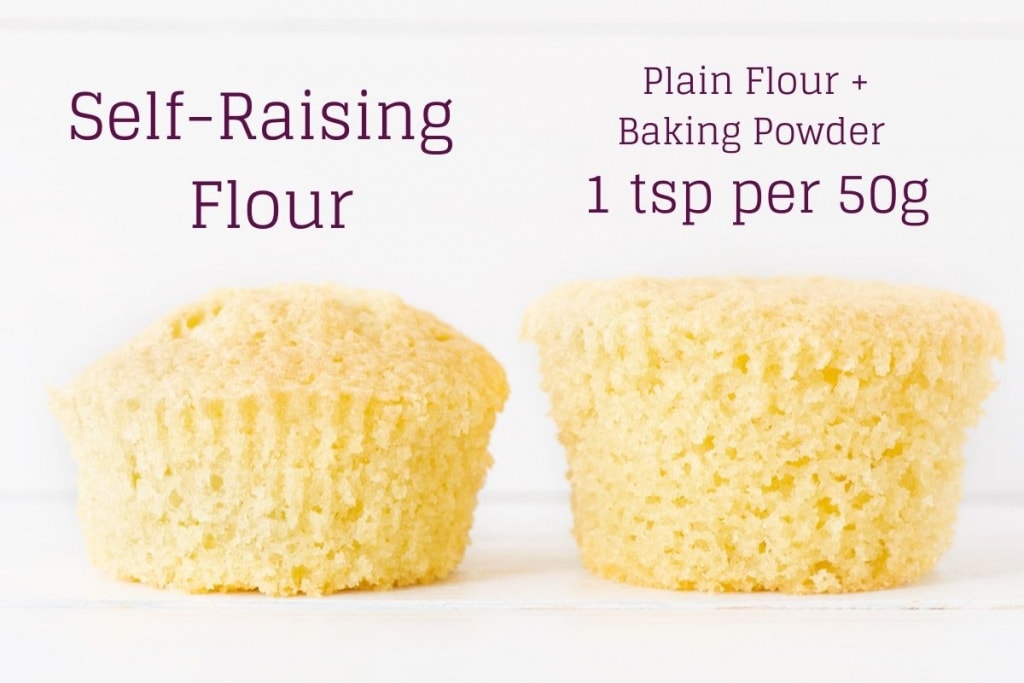
So, you’re midway through a recipe, your fingers dusted with flour, and you reach for the plain flour—only to find an empty bag. But there, winking at you from the back of the cupboard, is a bag of self-raising flour. Can you just swap them? Let’s dive in, shall we?
The short answer is: yes, you can, but only if you know what you’re doing. It’s like swapping a plain t-shirt for one with a built-in scarf—functional, but not always the right vibe. Self-raising flour is just plain flour plus a raising agent (usually baking powder) and a pinch of salt. That little combo is what makes your cakes rise and your scones puff up.
So, when is it cool to use self-raising instead of plain? Think batters. Pancakes, fluffy American-style ones? Go ahead. Self-raising will give them a lovely spring. Cupcakes, muffins, or quick breads? Absolutely—it’s practically designed for that. The extra lift is like a gentle little puff of air, making your bake airy without any effort.
Must Read
But wait—what about recipes that don't want to rise?
Here’s where things get interesting. If you’re making a cookie, a shortcrust pastry, or a flatbread, self-raising flour can be a wild card. Imagine trying to make a crunchy, flat cookie—only to watch it balloon into a soft, cakey blob. That’s not necessarily bad, but it’s not what the recipe intended.
For pastry, the added raising agent can make the dough puffy and fragile, like a bubble that hates being rolled thin. You want your pie crust to be buttery and crisp, not a mini soufflé. So, for anything that relies on structure over fluff—pasta, dumplings, pastry—stick with plain flour. Or, if you’re feeling rebellious, accept the fluffiness as a happy accident.
 Plain vs Self-Raising Flour: The Difference & Magic Ratio
The nerdy, fun part: how to fake it
If you’re out of plain flour but have self-raising, you can still make almost anything—if you adjust the recipe. For every cup of self-raising flour, simply reduce the baking powder and salt called for in the recipe. Usually, 1 teaspoon of baking powder per cup of plain flour is standard. So, if your recipe says “1 cup plain flour + 1 tsp baking powder,” you can use 1 cup self-raising and skip the added baking powder. Easy, right?
But be careful: self-raising flour already has salt mixed in (about ¼ teaspoon per cup). So if your recipe calls for added salt, cut it back—or your bread might taste like a salt lick. It’s a balancing act, like adding hot sauce to a dish that’s already spicy.
When it’s a total win—and when it’s a total fail
Let’s talk about the wins: scones, crumpets, and batter for fried fish. Self-raising flour makes scones rise tall and tender, almost like a cloud with a golden top. For fish batter, it creates a lighter, crispier crust—like a crunchy jacket that crackles. And for American-style biscuits (the buttery kind), it’s a dream come true.
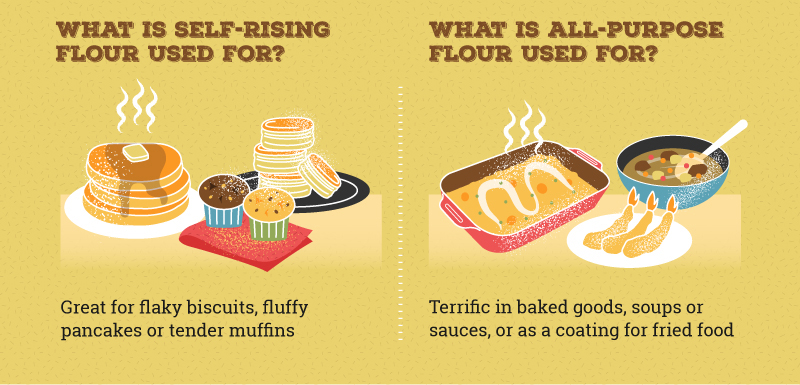 What You Need to Know About Flour | Are all flour types the same?
Now, the fails: pie crusts, puff pastry, and yeast breads. Yeast breads rely on gluten development, not baking powder, so self-raising will mess with the timing. Imagine a pizza dough that rises too fast and then collapses—sad, isn’t it? And puff pastry? It’s all about layers, not bubbles. Using self-raising would turn it into a biscuit-like mess.
The ultimate life hack: make your own plain flour
Got self-raising but need plain? You can actually “reverse” it. For every cup of self-raising, add a tiny bit of cornstarch (about 1 tablespoon) to dilute the raising agent. This doesn’t remove the baking powder, but it weakens its effect. It’s not perfect, but in a pinch, it works. Or, just sift the flour a few times to distribute the raising agent more evenly—and then accept a little extra lift.
 Self Rising Flour Vs Plain Flour - napsahaland
Alternatively, embrace the chaos. I once made a Yorkshire pudding with self-raising flour because I was out of plain. It rose like a tower, crackled on top, and tasted amazing—nobody knew the difference. Sometimes, breaking the “rules” leads to a happy surprise.
So, should you do it?
Rule of thumb: If the recipe relies on structure (like a flaky pastry or a thin crêpe), skip the self-raising. If it’s a batter or a quick bread that already uses chemical leavening, go for it. When in doubt, ask yourself: “Do I want this to be light and fluffy or flat and crisp?” The answer will guide you.
And if you’re still unsure? Just try it. Baking is an experiment, not a test. Worst case, you get a funny-looking cake that still tastes good. Best case, you discover your new favorite twist. You’ve got flour, you’ve got curiosity—what’s stopping you?