We’ve all been there. You’re packing for a beach day, and you dig out that half-used tube of sunscreen from last summer. It’s a little crusty around the nozzle, and you pause for a second. Does this stuff actually go bad?
The short answer is a big, squishy yes. Sun cream absolutely can go out of date, and ignoring this little fact is like bringing a soggy paper umbrella to a rainstorm. It just won’t do the job.
Why it’s not just a suggestion
Think of sunscreen like a carton of milk. You wouldn’t pour expired milk on your cereal, right? The same logic applies to protecting your skin. The active ingredients that block UV rays break down over time.
Must Read
Once they degrade, that SPF 50 you bought turns into… well, probably SPF 15 or even less. You’ll still feel like you’re protected, but your skin might end up looking like a very unhappy lobster.
The tell-tale signs
Your sunscreen will tell you it’s past its prime if you just pay attention. Look for a change in texture. If it’s become watery, clumpy, or separates into a greasy puddle, it’s time to say goodbye. Also, give it a sniff. If it smells like rancid oil or play-doh, trust your nose.
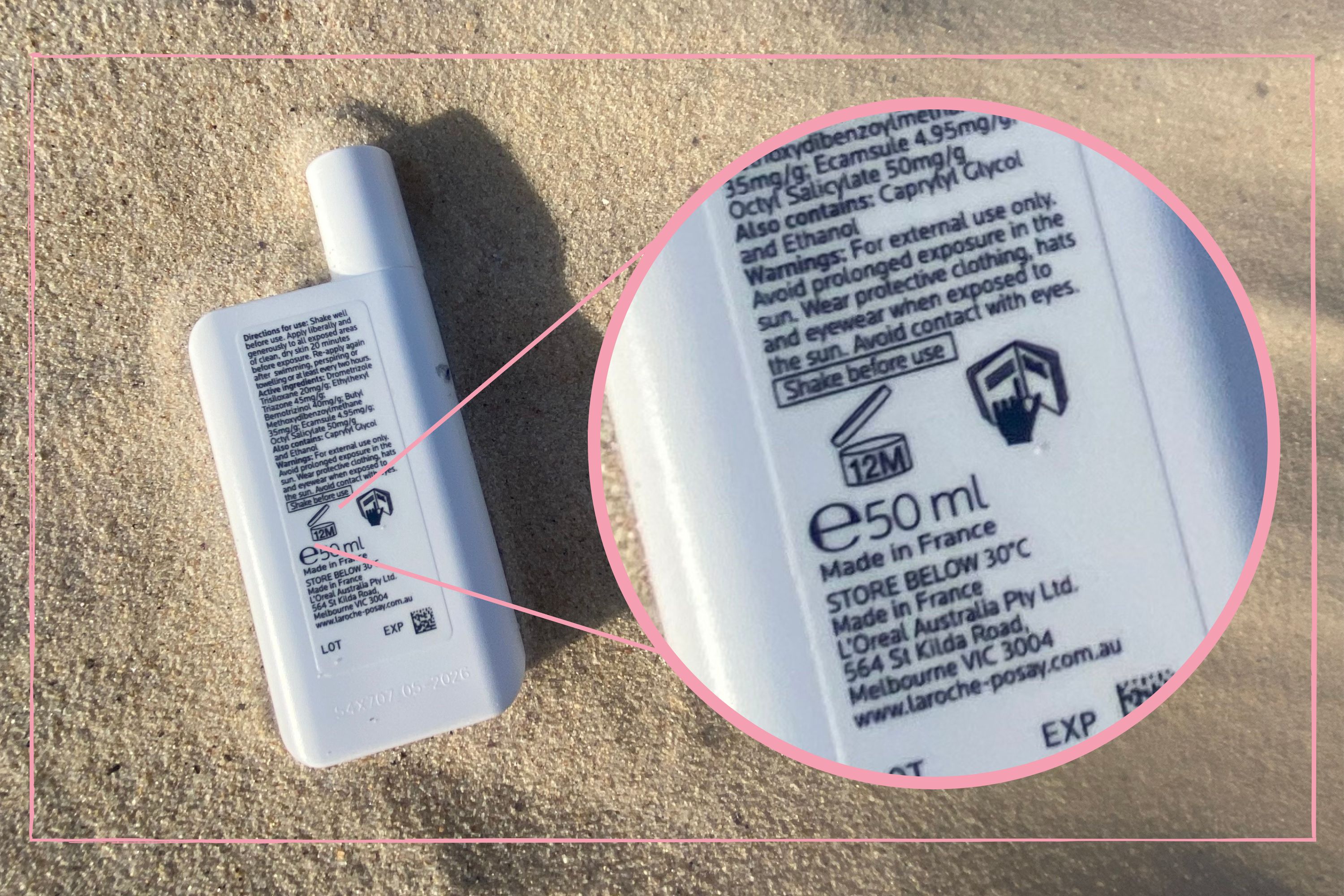
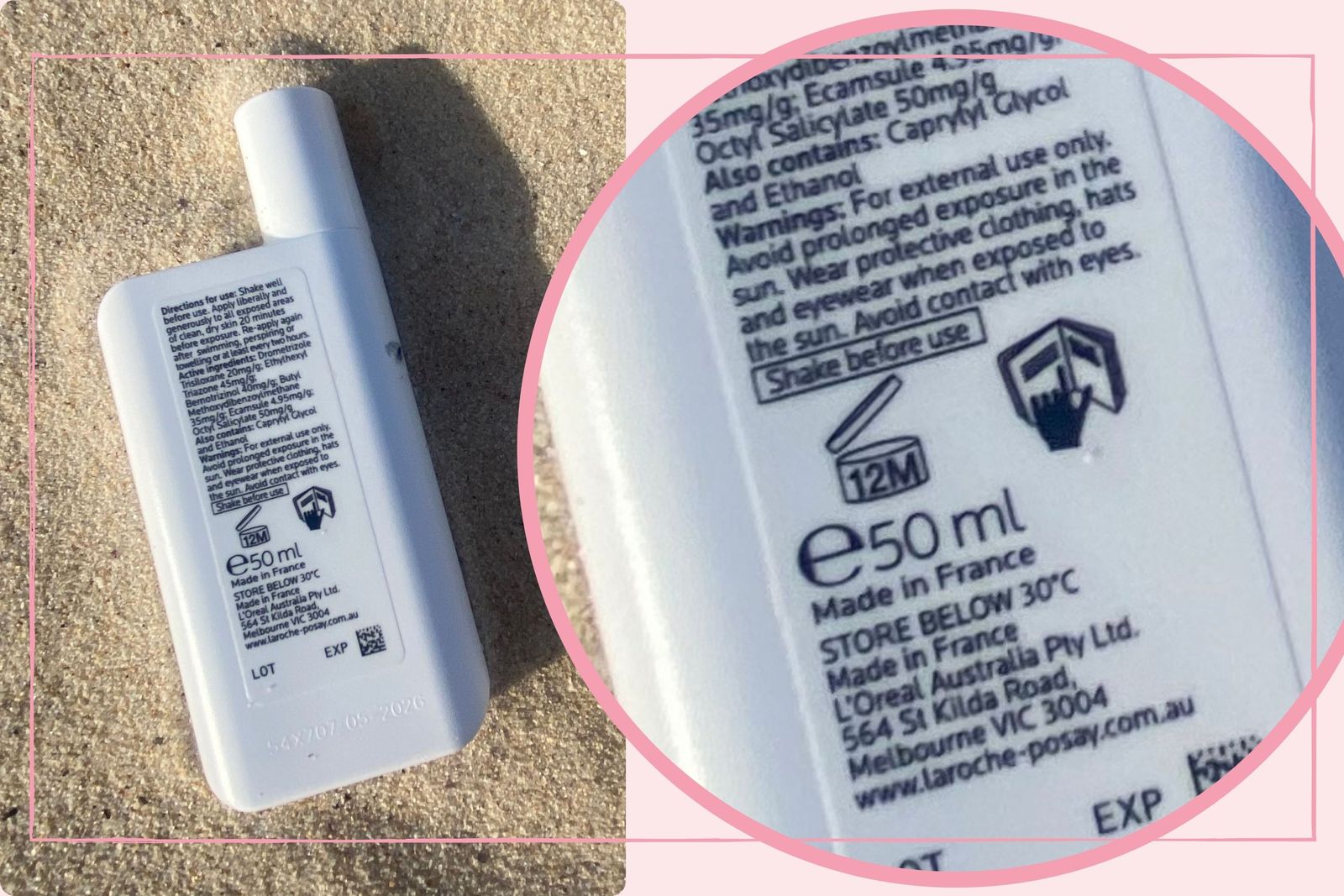
Most bottles have a little jar icon on the back with a number, like “12M”. That means it’s good for twelve months after opening. But honestly, if it’s been sitting in a hot car all summer, toss it earlier.
The sneaky danger of old sunscreen
Here’s the part that makes you care: using expired sunscreen gives you a false sense of security. You lather up, feel smug, and stay in the sun for hours. Then, that evening, your shoulders feel hot and tight. The next day, you’re hurting.
 The Ordinary Expiration Dates (With PDF) - A Beauty Edit
It’s not just about sunburn, either. It’s about long-term damage. Wrinkles, age spots, and even skin cancer are real risks. You’re not just applying goop; you’re applying insurance for your future self.
I once had a friend, Sarah, who used a bottle she found in her beach bag from two years ago. She thought, “It’s cream, it’s fine.” She ended up with a burn so bad she had to sleep with aloe vera on her pillow. She learned the hard way.
What’s the shelf life, really?
Most unopened sunscreens last about three years from the date of manufacture. But once you crack it open, that clock starts ticking fast. Heat and sunlight are the enemies, so never leave it baking in your car’s glove compartment.
If you can’t find an expiry date, a good rule of thumb is to replace your sunscreen every year. Buy a fresh bottle at the start of summer, and treat the old one like a guilty conscience—get rid of it.
How to store it, so it lasts
Keep your sun cream in a cool, dark place. That means not on the bathroom window sill, and definitely not in the car’s center console. A drawer in your bedroom or a shaded bag works wonders.
 Does sun cream go out of date? Plus the signs it has expired | GoodtoKnow
Think of it like a delicate plant. You wouldn’t leave it out in the blazing sun all day, would you? Your sunscreen feels the same way. A little care goes a long way toward keeping it effective.
Also, always screw the cap on tight. Air and bacteria can sneak in and speed up the aging process. It’s like leaving a bag of chips open—nobody likes stale sunscreen.
The bottom line (with a smile)
So, yes, sun cream goes out of date. But you don’t need to be a scientist to figure it out. Just check the bottle, trust your senses, and don’t be stingy with yourself. A fresh tube is cheaper than a trip to the dermatologist.
Next time you’re packing for a picnic, do yourself a favor. Check the date. Give that old bottle a squeeze. If in doubt, throw it out. Your skin will thank you with a happy, healthy glow—and nobody wants to be the person peeling sunburn off their nose at a barbecue.
Remember: sunscreen isn’t just a product. It’s a little daily promise you make to your future self. Keep it fresh, keep it fun, and keep enjoying the sun safely.