You know that moment. You’re halfway through a recipe for your famous “Weeknight Emergency Pasta,” and your eyes scan the ingredients list. Tomato sauce. You check the pantry. You check the fridge. You check under the sink (why would it be there?). Nothing. But your eyes land on a dusty can of tomato puree. And your brain freezes like a cheap laptop. Can we do this? Should we do this?
Let’s be real: we’ve all been there. It’s the culinary equivalent of showing up to a black-tie event in your favorite sweatpants. The puree is the sweatpants—thick, unapologetic, and a little intense. The sauce is the nice jeans—casual, familiar, and ready for anything. But can one stand in for the other without the whole meal ending up as a sad, gooey mess?
The Puree Problem: It’s Basically Tomato Concentrate’s Overachieving Cousin
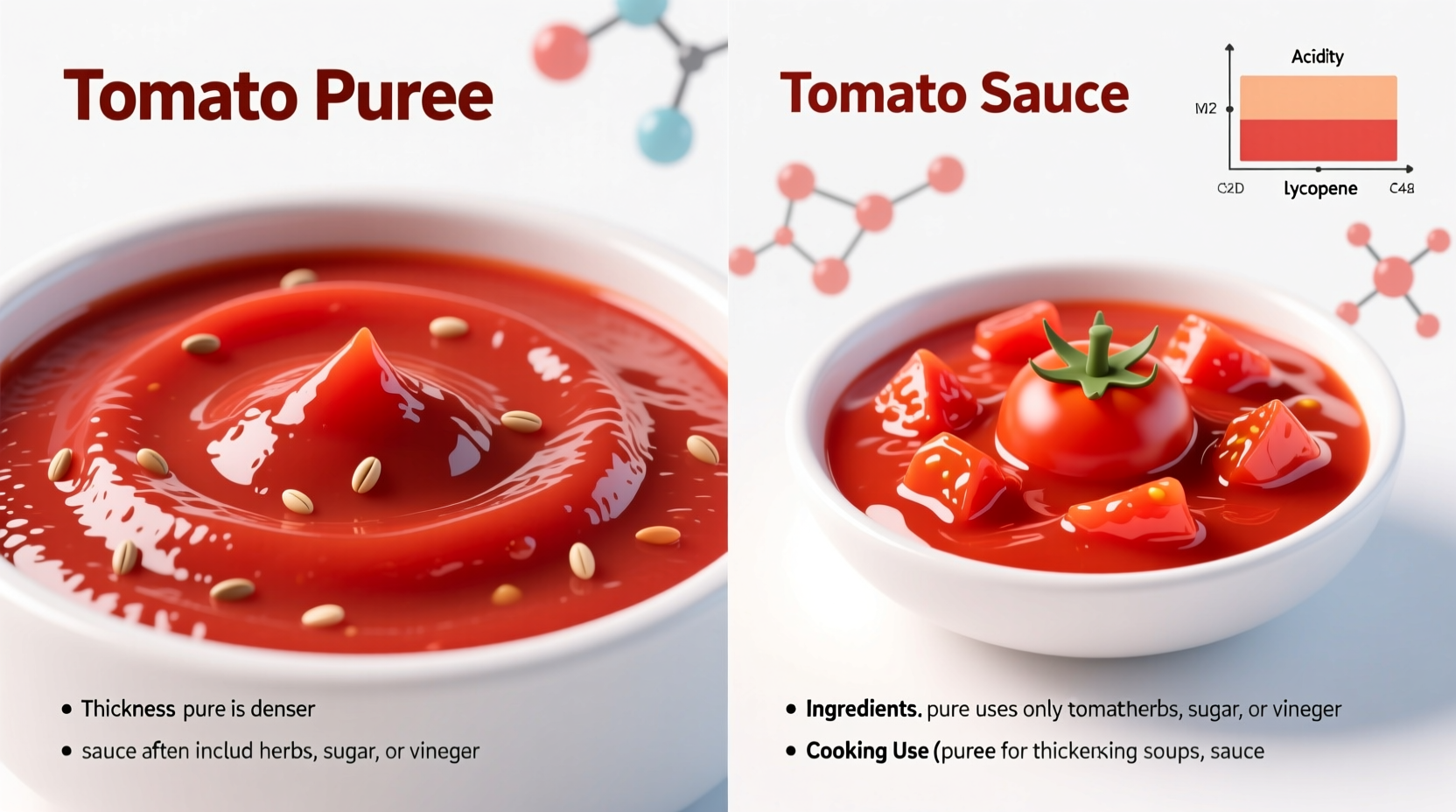
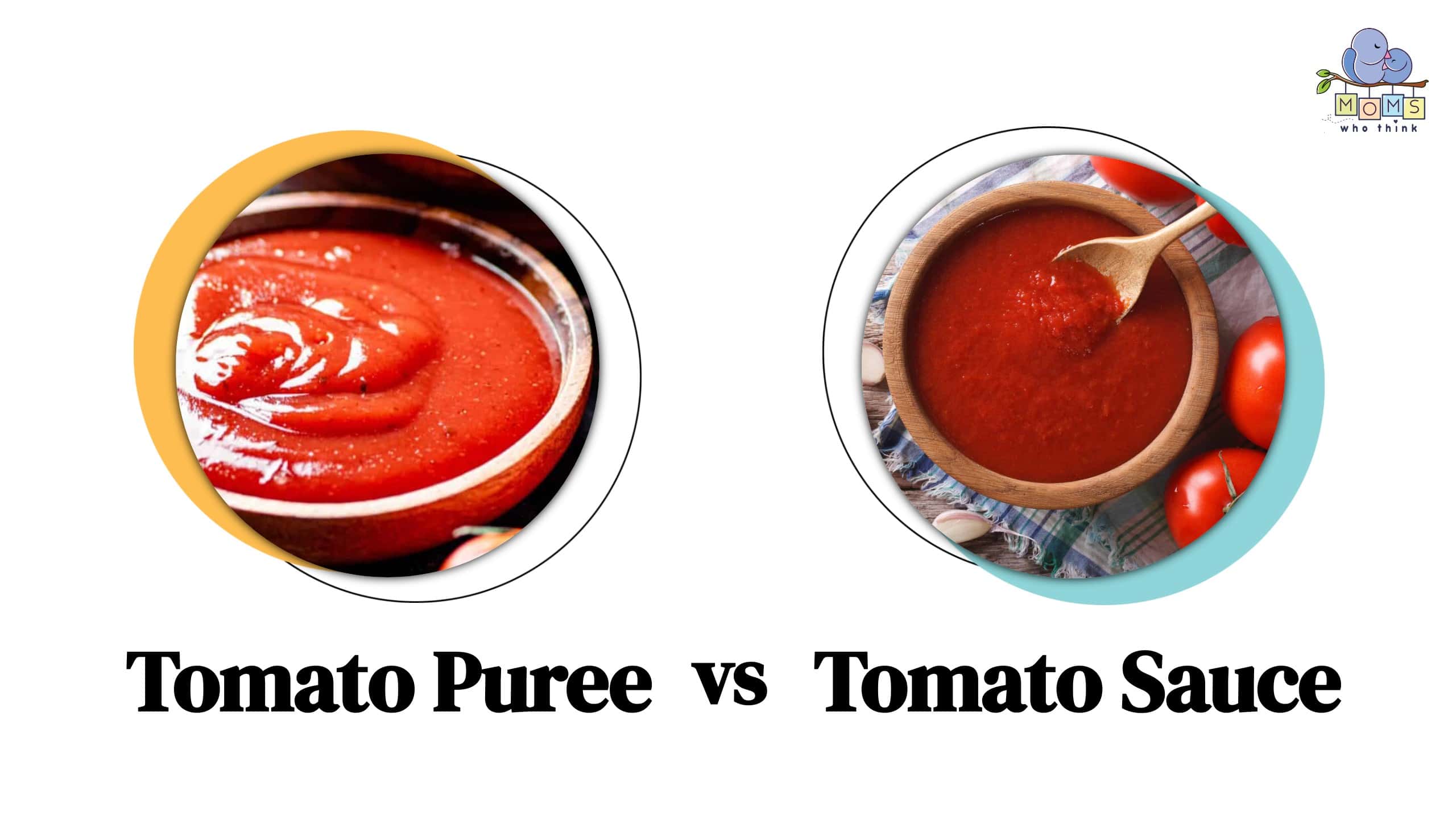
First, a quick reality check. Tomato puree is like that friend who’s super intense about everything. It’s cooked down tomatoes with the seeds and skins strained out, but it’s thick—almost like a paste’s younger, slightly less committed sibling. It has a deep, rich tomato flavor that can punch you in the taste buds if you’re not careful.
Must Read
Tomato sauce, on the other hand, is the chill hangout buddy. It’s thinner, often seasoned with herbs (basil, oregano, garlic—the usual suspects), and it’s ready to just flow over your pasta and make everything okay. It’s the difference between a power smoothie and a glass of orange juice. Both are fruit, but one requires a commitment.
So, can you substitute? Yes, but with a catch. It’s like swapping espresso for brewed coffee in a morning routine. You can do it, but you need to add water and a little attitude adjustment. Otherwise, you’ll be chasing your spaghetti around the plate with a spoon, wondering why everything tastes like a sun-dried tomato’s angry cousin.
The Great Dilution: How to Make Puree Act Chill
Here’s the secret nobody tells you: dilution is your best friend. If you use puree straight from the can, your sauce will be too thick, too tangy, and probably too proud of itself. You need to water it down. Literally. Mix one part puree with one part water (or even broth, if you’re feeling fancy). That’s the basic math. For every cup of sauce you need, use ½ cup puree + ½ cup water.
But wait—there’s more. Puree is unseasoned, which is like inviting someone to a party and forgetting to give them a drink. You must add your own flavor. Throw in a pinch of dried oregano, a whisper of garlic powder, and maybe a tiny sprinkle of sugar to balance the acidity. Suddenly, your puree starts acting like a sauce. It’s like putting a leather jacket on a golden retriever—unexpected, but surprisingly charming.
I once did this in a panic for a last-minute lasagna. My husband took a bite and said, “Did you get a new brand of sauce? This is… punchy.” I just smiled and said, “Trade secret.” He never knew the puree was the star of the show, dressed up like a sauce. Moral of the story: a little water and some herb magic can fool even the pickiest eaters.
 Tomato Puree vs. Tomato Sauce: Key Differences and How to Use Each
When to Say “No Thank You” to the Swap
But let’s not pretend this works everywhere. If you’re making a delicate tomato soup, or a recipe where the sauce is the star (like a classic marinara for dipping crusty bread), do not use puree. It will overpower everything. That’s like wearing your sweatpants to a wedding—technically possible, but everyone will know you gave up.
Also, avoid this swap in recipes where texture matters. Puree is smooth, but it can turn a light, brothy sauce into something that wants to be a dip. For a quick pizza base? Sure. For a Bolognese that needs to simmer for two hours? You’re golden. But if the recipe calls for a thin, quick-cooking sauce (like for a weeknight shrimp pasta), stick with the real deal. Your taste buds will thank you.
I learned this the hard way when I tried to make a “light” tomato vinaigrette out of puree. It ended up looking like orange sludge. My neighbor’s cat gave me a judgmental look from the window. I deserved it.
The Verdict: It’s a Solid “Yes, But…”
So, to answer the burning question: yes, you can substitute tomato puree for tomato sauce, but you have to be the boss of it. You’re not just dumping it in—you’re giving it a makeover. Add water. Add herbs. Add a little confidence. It’s like when you wear a scarf to make a boring outfit look intentional. The puree becomes the sauce, and nobody gets hurt.
Next time you’re standing in the kitchen, staring at that can, just remember: you’ve got this. You’re not a chef. You’re a problem-solver with a can opener. And that’s even better. Now go make that pasta, and don’t forget to taste as you go. Your dinner (and your sweatpants) will thank you.