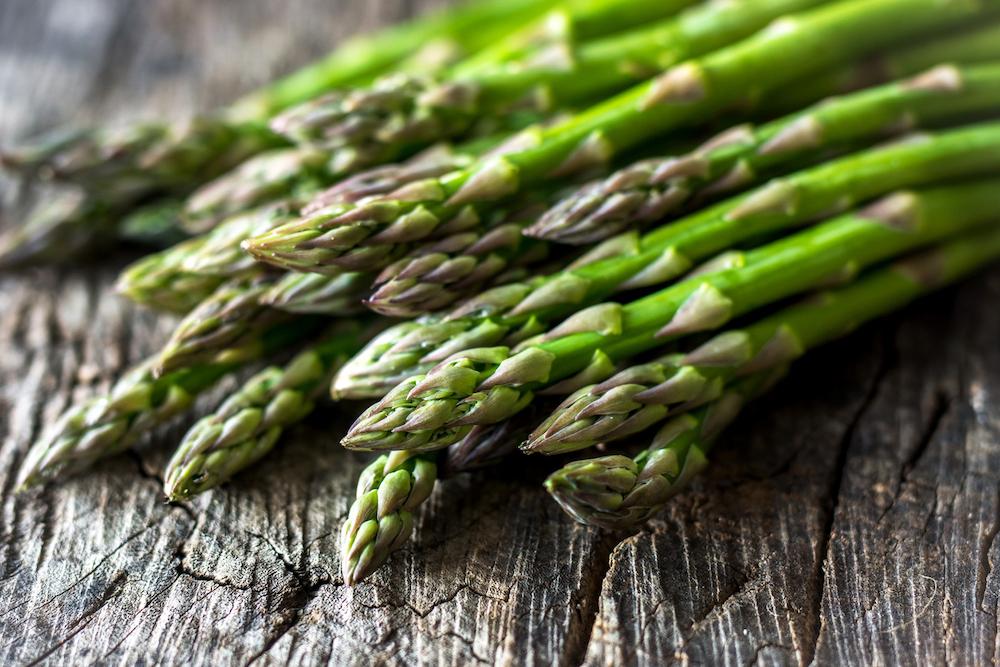
Let’s be honest: few vegetables spark as much debate as the humble asparagus. Its unique flavor—earthy, grassy, and faintly sweet—divides dinner tables, and its culinary quirks are legendary. But if you’ve found yourself staring down a bundle at the farmer’s market, wondering if you can make it a daily habit, you’re not alone. The short answer is yes, you absolutely can eat asparagus every day—but let’s chew on the details.
Why Your Body Says “Yes” to Daily Asparagus
Asparagus isn’t just a pretty spear; it’s a nutritional powerhouse. One cup of cooked asparagus packs over 70% of your daily recommended folate, vital for cell repair and energy. It’s also loaded with vitamins A, C, and K, plus fiber that keeps your digestive system humming along smoothly. Think of it as nature’s multivitamin, wrapped in a tender stalk.
Starting your day with asparagus might sound unconventional, but it’s a smart move. The fiber in asparagus helps stabilize blood sugar, giving you steady energy instead of the dreaded mid-morning crash. Imagine replacing that second coffee with a handful of roasted spears—your pancreas will thank you.
Must Read
The One Thing Nobody Warns You About
Let’s address the elephant in the room—or rather, the pungent secret in the bathroom. You’ve likely heard that asparagus makes your urine smell odd, and it’s true for about 40% of people who carry a specific genetic trait. This compound, asparagusic acid, breaks down into sulfurous byproducts that create that distinctive aroma. It’s harmless, but it’s real.
If you’re sensitive to the smell, don’t let it deter you. Drinking extra water can dilute the effect, and cooking asparagus thoroughly reduces the compound slightly. Or you can lean into it as a quirky badge of honor—proof you’re eating your greens in style.
Practical Tips for Everyday Asparagus
Eating asparagus daily doesn’t mean you have to boil it into submission. Roasting is your best friend: toss spears with olive oil, salt, and pepper, then roast at 400°F for 12 minutes until they’re tender-crisp with brown edges. It’s fast, foolproof, and transforms them into a savory snack you’ll crave.
For a breakfast boost, try adding chopped asparagus to scrambled eggs or an omelet. Its texture pairs perfectly with creamy cheese like feta or goat cheese. Pro tip: blanch the spears for 30 seconds first to lock in that vibrant green color.
Don’t forget the stalks—peel the tough outer layer with a vegetable peeler, and you’ll unlock tender flesh all the way down. Waste not, want not, especially when you’ve committed to a daily veggie ritual.
A Cultural Love Affair with Asparagus
Europeans have been eating asparagus daily for centuries, particularly in Germany and France. During Spargelzeit (asparagus season) in Germany, restaurants devote entire menus to white asparagus, which is milder than green. It’s so revered that traditional lore says you should eat it only in May—but modern growing methods give us year-round access.
 What Happens If You Eat Asparagus: Benefits and Side Effects
In Italy, asparagus appears in risotto and pasta from spring through summer, while Japan pickles it as a crunchy side dish. Fun fact: ancient Greeks believed asparagus had medicinal properties for toothaches and bee stings—though we’d stick to modern dentistry.
Is There a “Too Much” with Asparagus?
For most people, eating a cup or two daily is perfectly safe. However, if you have kidney issues or a history of oxalate kidney stones, go easy. Asparagus contains oxalates, which can contribute to stone formation in high doses. Also, its diuretic effect means you’ll use the bathroom more often—plan accordingly on busy days.
Some folks experience digestive gassiness from the fiber and raffinose, a complex sugar. If you notice bloating, start with a smaller portion, like half a cup, and let your gut adjust over a week. Your microbiome will adapt.
The Right Way to Buy & Store
Fresh asparagus should feel firm, not bendy, with tightly closed tips. Sniff the ends—if they smell fishy, skip them. Once home, trim the bases and stand the spears upright in a jar with an inch of water, covered loosely with a plastic bag. They’ll stay crisp for 3 to 4 days.
For daily convenience, prep a batch on Sunday: wash, trim, and chop into bite-sized pieces. Toss them into salads, stir-fries, or pasta throughout the week. Meal prep turns asparagus from a special occasion veggie into your everyday sidekick.
Simple Recipes for the Everyday Eater
Five-Minute Asparagus Salad: Blanch trimmed spears for 2 minutes, then plunge into ice water. Toss with lemon juice, olive oil, shaved Parmesan, and pine nuts. It’s ready before you’ve finished your coffee.
 Can You Eat Asparagus Raw? A Nutritionist Explains
Speedy Sheet Pan Dinner: Arrange salmon fillets and asparagus on a baking sheet. Drizzle everything with soy sauce, honey, and sesame oil, then roast at 400°F for 15 minutes. Dinner is served with minimal cleanup.
Microwave method? Yes, it works. Place spears in a dish with a splash of water, cover, and microwave on high for 2 minutes. Perfect for rushed mornings when you need green on your plate.
What the Experts Say
Nutritionists generally champion asparagus as a daily vegetable choice, especially for its prebiotic fiber that feeds good gut bacteria. “It’s one of the few veggies that delivers both soluble and insoluble fiber,” says dietitian Maya Feller. “Eat it as often as you like, but vary your other vegetables too for a range of nutrients.”
Her advice: pair asparagus with a source of healthy fat, like avocado or olive oil, to boost absorption of its fat-soluble vitamins. Balance is the real key to any daily habit.
A Short Reflection
Incorporating asparagus into your everyday life isn’t about perfection—it’s about finding a simple, delicious anchor for your meals. Whether you roast it, toss it in eggs, or nibble it raw from the fridge, it’s a quiet act of self-care. You’re telling your body, “You matter enough for a daily green bite.”
And let’s be real: if the only side effect is a funny-smelling bathroom, that’s a small price for a month of steady energy, glowing skin, and the smug satisfaction of knowing you’re out-eating every takeout menu in town. Go ahead—make asparagus your everyday thing. Your body will know what to do.