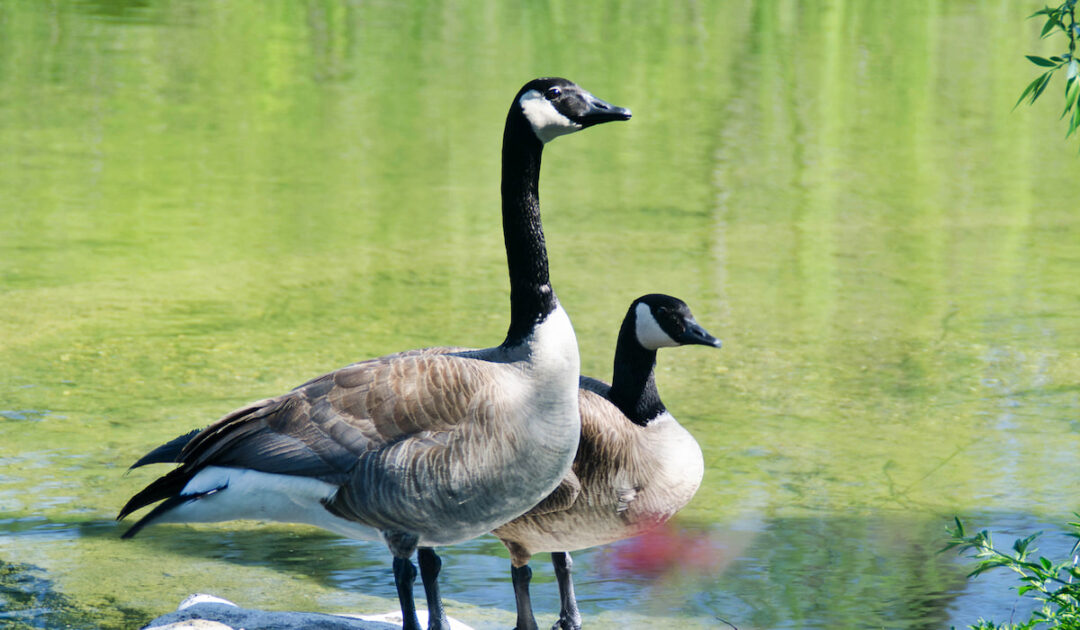
Let’s be real for a second. You’ve seen them. The Canada Goose. That feathered gladiator that patrols the park like it owns the place. It hisses at your dog, blocks your path to the picnic table, and leaves those little green “landmines” all over the grass. And somewhere deep in your brain, after a particularly aggressive hiss, you’ve probably thought it: “Could I eat you, you jerk?”
The short, honest answer is yes, you absolutely can. It’s not illegal to eat a Canada Goose, at least not from a federal hunting standpoint with the proper permits. But before you start crafting a revenge menu, let’s talk about what that would actually be like. Spoiler: it’s not just “chicken with an attitude.”
Imagine your favorite rotisserie chicken. Now imagine that chicken spent its entire life doing CrossFit in a swamp, eating only grass and anxiety. That’s the Canada Goose. The meat is incredibly lean and dark, more like a well-worked steak than a poultry breast. It’s a flavor that screams “I lived outside and I have opinions.”
Must Read
The Flavor: Grounded, Gamey, and Honest
If you’ve ever eaten duck or wild turkey, you’re in the ballpark. But the goose is a whole different league. The flavor is rich, with a noticeable “gamey” taste that some people love and others find… challenging. It’s the difference between a store-bought strawberry and one you picked from a patch that had to fight a weed for sunlight.
I once had a buddy, Mark, who swore by goose jerky. He said it tasted like “the forest floor, but in a good way.” I tried a piece, and he wasn’t wrong. It was chewy, savory, and had this weird aftertaste of… victory? Or maybe that was just the satisfaction of eating the park bully.
Texture is the real wild card. Because the birds fly thousands of miles, their breast meat is dense and tough if not handled right. Cook a goose breast like a chicken breast, and you’ll be chewing it until next Tuesday. You need low, slow cooking, or a quick sear to rare—the opposite of what you’d do with a boring supermarket bird.
The “Urban Goose” Problem
Here’s where your backyard goose fantasy hits a pothole. The fat, lazy ones hanging out in your local pond? Do not eat those. They live on bread crumbs from toddlers and whatever chemicals the city sprays on the grass. They taste like a soggy cigarette and sadness. The good eating is from migratory geese—the ones that actually fly and eat wild grains in farm fields.
 Can Canada Geese Eat Dried Corn? | A Comprehensive Guide
Think of it this way: a suburban goose is the fast-food version. A migratory goose is the farm-to-table, dry-aged, ethically-sourced version. The former will make you regret life. The latter can be a culinary adventure that you’ll brag about at dinner parties.
And please, for the love of all that is holy, never, ever shoot one in a city park. That’s how you get a fine, a criminal record, and a very angry Facebook post on your local neighborhood page. Wild geese are protected under the Migratory Bird Treaty Act. You need a hunting license and a specific season to chase them.
The Embarrassing Reality of Cooking One
Let me tell you about the first (and only) time I tried to cook a goose. A friend’s hunting trip was successful, and he gifted me a plucked, cleaned bird. I felt like a pioneer. I roasted it at 350°F like a proud idiot.
The result? A hockey puck with feathers inside. The legs were like rubber bands, the breast was drier than a desert joke, and the fat layer was so thick it created a smoke cloud that set off my apartment’s fire alarm. My cat hid for three hours. I ate the leftover mashed potatoes and swore off geese forever.
 Can Canadian Geese Eat Lettuce? | A Comprehensive Guide
But then, a chef friend taught me the secret. You don’t roast a goose like a turkey. You treat it like a prime rib. You score the skin, pour boiling water over it to tighten it up, then roast it low and slow at 325°F, basting it constantly. You cook the breast to medium rare (135°F internal) and the legs until they’re fork-tender. It’s a project, not a weeknight dinner.
The Verdict: Should You Bother?
Honestly? Unless you’re a hunter or have a very generous friend who hunts, you’re probably not going to eat a Canada Goose. The effort-to-reward ratio is steep. It’s like building a custom bicycle from scrap metal just to ride to the mailbox. You can do it, but why?
But if the opportunity presents itself? Say yes. Because there’s something primal and hilarious about taking the most arrogant bird in the animal kingdom and turning it into a slow-braised, peppery stew. It’s cosmic justice. Plus, the leftovers make a killer sandwich that your neighbors will either admire or fear.
So next time one hisses at you, just smile. Nod. Think about the possibilities. You can eat Canada geese. It’s not easy, it’s not always tasty, and it’s definitely not for the faint of heart. But it’s a very, very funny thing to have on your culinary resume. And sometimes, that’s the best reason of all.