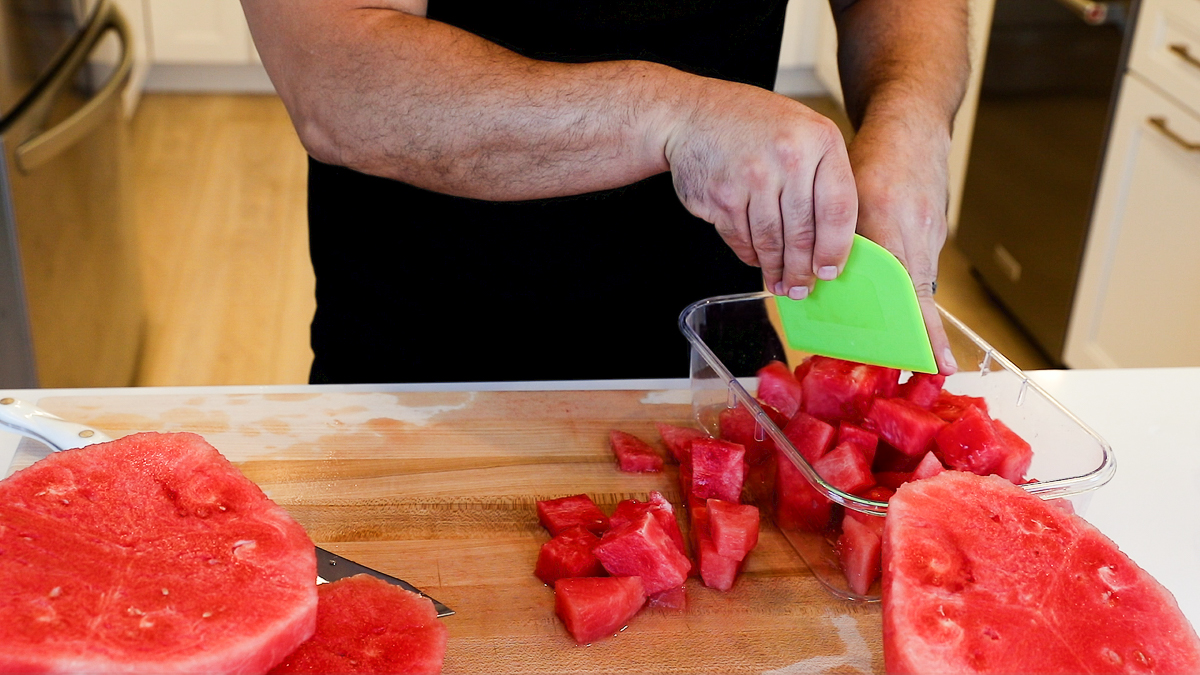
So, you’re standing in your kitchen at 8 a.m., staring at a half-eaten watermelon that spent the entire night on the counter. The party was great, the music was loud, and now you’re wondering: Can I actually eat this? It’s a classic dilemma—like deciding whether to reheat that pizza from three days ago or risk the mystery meat at a tailgate. Let’s chill out and break it down.
Why This Question Gets So Messy
First off, watermelon is basically water with a little sugar and crunch—it’s over 90% water. That makes it a dream home for bacteria, like a fluffy hotel with free snacks. When you leave it out overnight, you’re basically inviting microscopic party crashers to a rager.
Most experts—yes, the U.S. Department of Agriculture and all those food safety nerds—say cut fruit should never sit out for more than two hours. After that, bacteria like Salmonella and E. coli start multiplying fast. It’s like a science experiment you didn’t sign up for, and the results aren’t pretty.
Must Read
But Wait—Does It Always Go Bad?
Here’s where it gets curious: your watermelon might look fine, smell okay, and even taste fresh. Human senses are awesome, but they’re not infallible. Bacteria don’t always change the flavor or smell right away—they just hang out, plotting your future regret. Think of it like a ninja in your fridge: silent but deadly.
Fun fact: watermelon’s high sugar content can ferment a little if left out, which is why some people claim it tastes “winey.” That’s not exactly food poisoning, but it’s a sign things are shifting. You don’t want your breakfast to turn into a weird booze experiment.
What About the “I’ve Done It Before and Lived” Argument?
Oh, we’ve all been there—you ate watermelon left out for six hours as a kid and nothing happened. Good for you! But that’s like saying you never got struck by lightning while golfing, so hey, go swing in a storm. Your luck isn’t a rule of science.
People have higher or lower tolerances, and refrigeration isn’t just a suggestion—it’s a shield. When watermelon stays below 40°F (4°C), bacteria basically take a nap. Leave it out, and they wake up and start doing jumping jacks in the rind.
The Real Risk: Salmonella and Friends
Watermelon is actually one of the fruits most linked to foodborne illness outbreaks. In recent years, contaminated melons have caused recalls and hospitalizations. So that slice you left out isn’t just a gamble—it’s playing Russian roulette with a sprinkle of salt.
Even if the watermelon looks perfect, the cut surface is an open door. Knives, hands, and air all bring microbes. And once they’re in, they reproduce faster than bunnies on a spring break trip.
 Warning - The Shocking Truth About Leaving Watermelon Out! You Won't
So, Can You Eat It? The Honest Answer
Technically, yes, you can eat cut watermelon left out overnight—but that doesn’t mean you should. It’s like asking “can I jump off a diving board into a kiddie pool?” You might survive, but why risk the crash? The safe bet is to toss it.
Your health is worth more than a few dollars worth of fruit. And honestly, if you’re craving watermelon that badly, just buy a new one. Fresh, chilled, and crisp—that’s the good stuff. No regrets, no stomach cramps, no midnight bathroom sprints.
But What If It Only Sat Out for 6 Hours?
Six hours is still over the two-hour limit, so the same rule applies. The “two-hour rule” is based on how fast bacteria multiply at room temperature. By hour six, you’re looking at a population boom that could make a bacterial conference seem crowded.
If the room was very hot—like 90°F or higher—then the window shrinks to just one hour. So if your watermelon was chilling near a toaster or in a sunny kitchen, treat it like a hot potato: drop it in the trash.
The Cool Conclusion: Better Safe Than Sorry
Life is full of little risks, and this one is easy to avoid. The next time you’re tempted to save that leftover watermelon, ask yourself: Is a slice of fruit worth a potential day of misery? Probably not.
Instead, embrace the science. Refrigerate cut watermelon immediately after slicing, and keep it cold until you’re ready to crush it. And if you forget? No shame—just compost it, grab a fresh melon, and enjoy that sweet, safe, cold crunch. Your gut will thank you.
Now go hydrate—with watermelon that’s been properly stored. You’ve got this.