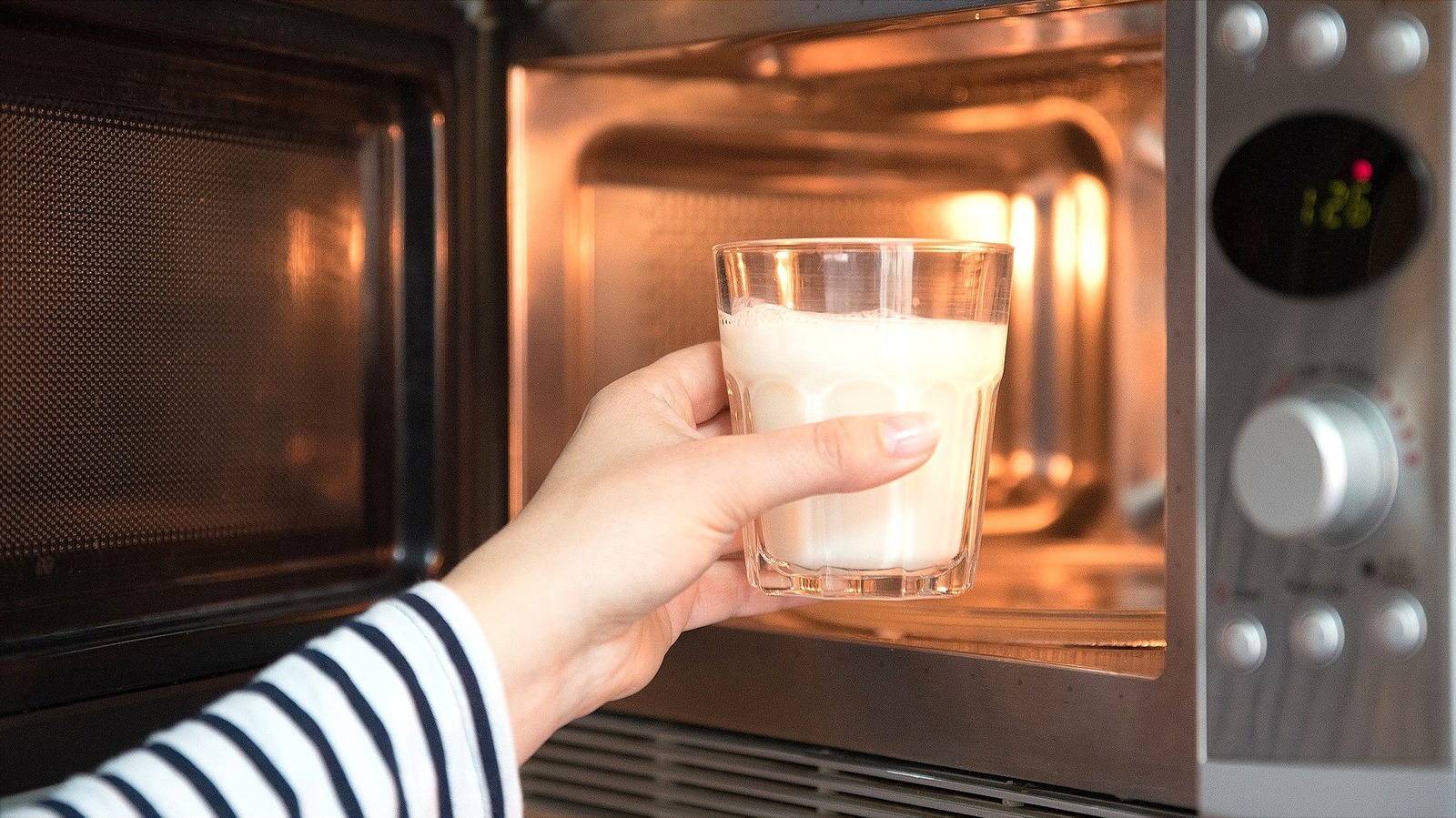
Okay, let’s talk about milk. Specifically, let’s talk about scalding it. You know, that old-fashioned thing where you heat it until it’s almost boiling, with little bubbles forming around the edge.
Your grandma probably did it on the stove. She had a special pan for it, and a timer, and probably a vibe of quiet determination. You, however, have a microwave.
So, can you do it? Can you actually scald milk in that humming plastic box? The short answer is yes, but with a few hilarious and potentially messy asterisks.
Must Read
The Microwave Magic (and Madness)
Microwaves are great at turning cold things into hot things. They are terrible at doing it gently.
Milk, being mostly water with some tricky dairy proteins and fats, has a personality. It likes to boil over when you aren't looking.
You turn your back for one second to grab a tea bag, and BAM. Your microwave looks like a dairy crime scene. It’s sudden, it’s dramatic, and it smells like burnt sugar for a week.
But! If you’re careful, you can coax it into submission. Think of it like taming a tiny, milky gremlin.
The Trick: Slow and Low (ish)
You can’t just blast it on high for two minutes. That’s a recipe for a bubble volcano. The trick is low power and short bursts.
Try 50% power. Even 30% works wonders. Heat it in 30-second intervals. Yes, it’s tedious.
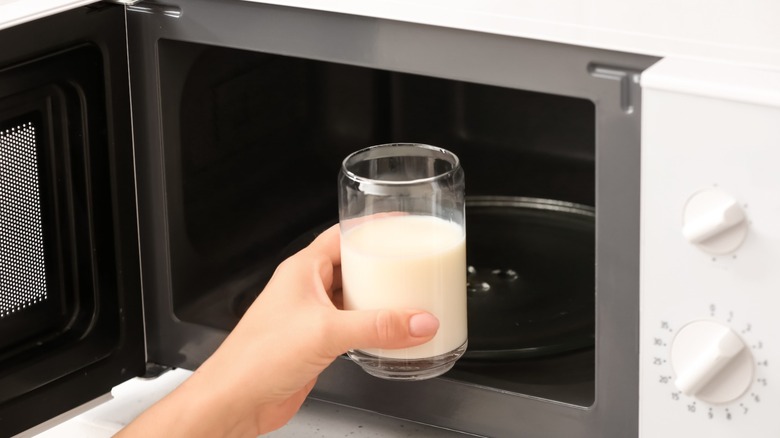 How To Boil Milk In The Microwave
But it gives you time to stir, and stirring is the secret handshake of successful microwave scalding. Stirring redistributes the heat so one pocket doesn't decide to rebel and explode.
How to Actually Do It (Without a Mutiny)
First, pour your milk into a microwave-safe bowl. Not a mug. Mugs are narrow and trap heat, which encourages the volcano. Use a wide, boring glass measuring cup.
Now, nuke it on medium power. I swear by 30% for a cup of milk. Give it one minute, then stir. Then another minute, then stir.
Look for the tell-tale signs of scalding: a skin forming on top (yes, that’s a thing) and tiny, shy bubbles around the rim. That’s your cue. You don’t want a rolling boil—you want a shiver of bubbles.
If you see a full-on frothy top, you’ve gone too far. You’ve entered “I-have-to-clean-the-microwave-again” territory. We don’t talk about that territory.
But... Is It Worth It?
Honestly? For most things, no. Your average hot chocolate or latte barely needs scalded milk. But for bread recipes, custards, or yoga- a, the real deal makes a difference.
Why? Because scalding denatures some whey proteins. It makes the milk behave better in baking. It also gives custards a silkier texture that warm tap-temp milk just can’t match.
 How To Scald Milk In The Microwave | Detroit Chinatown
So, if you’re feeling fancy and want to channel your inner Julia Child (who probably had a stove, let’s be real), go for it. Just don’t. I mean, do—but watch it like a hawk watching a very slow, creamy mouse.
The “Better” Option (Shh, Don’t Tell Grandma)
Here’s a little secret. If your recipe says “scald the milk,” you might be able to skip it. Modern pasteurized milk doesn’t always need scalding.
Back in the day, scalding killed off dubious bacteria. Today, your milk is basically sterile in its carton. That scalding step is often just a warm-up for the yeast or to stop a custard from splitting.
So, try this: just warm the milk in the microwave until it’s hot to the touch (180°F if you have a thermometer). That’s usually enough. No skin, no boil-over, no crying.
Final Verdict: A Yes with a Side of Caution
Can you scald milk in the microwave? Yes. Should you? Maybe. It’s a bit like parallel parking in a tight spot—possible, impressive when it works, but stressful.
Use low power. Stir like you mean it. And accept that one day, you will forget, and your microwave will become a milky Jackson Pollock painting. It’s a rite of passage.
Now go, brave milk-scorcher. Make your grandma proud. Or at least, make sure you don’t have to buy a new microwave. Cheers!