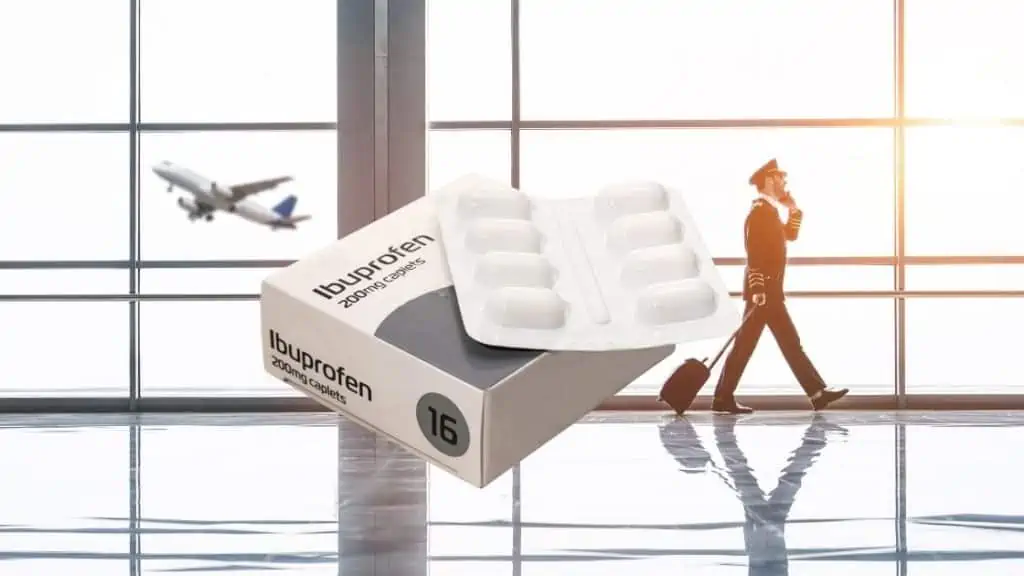
So there I was, wedged into a middle seat on a five-hour flight to Chicago. The guy in front of me had already reclined into my lap, and the toddler behind me was using my seatback as a drum kit. My head was pounding like a bad hangover, and my back had started that quiet, nagging ache that only gets louder with every air pocket we hit. I fumbled through my carry-on, praying I’d stashed some ibuprofen in my toiletry bag, but my mind started racing: Can you actually take ibuprofen on a plane? Is this allowed? I wasn’t about to become that person who gets tackled by TSA for a bottle of Advil.
Let’s cut to the chase: yes, you can absolutely take ibuprofen on a plane. Both the TSA and most international aviation authorities have no problem with it. You can pack it in your carry-on or your checked luggage, in pill form, liquid gel, or even as a powder (though powders over 12 ounces need a quick secondary check). I’ve brought a half-empty bottle through security at least twenty times without a single side-eye from an agent. So breathe easy—you’re not smuggling contraband, just a lifesaver for cramped legs and sinus pressure.
But Wait—Does the Airline Care?
TSA gives the green light, but what about the flight crew? I mean, no one wants to be the passenger who pulls out a giant bottle of pills and looks like they’re about to sedate the whole row. In reality, flight attendants don’t care as long as you’re not mixing it with alcohol or offering it around like candy. However, a tiny word of caution: if you’re flying internationally, some countries have strict rules about certain medications. For routine over-the-counter ibuprofen, you’re fine 99% of the time—but if you’re heading to Japan or the UAE, double-check that your brand isn’t on a restricted list. (Yes, that’s a real thing, and yes, I learned it the hard way once.)
Must Read
The Real Trick: Timing and Dosage
Here’s the part nobody tells you: taking ibuprofen on a plane isn’t just about if you can—it’s about when you should. Popping a pill right before takeoff can be a double-edged sword. Why? Because ibuprofen can sometimes upset your stomach, and airplane food at 35,000 feet is already a gamble. My rule of thumb? Take it with a meal or a big glass of water, and never on an empty stomach unless you enjoy feeling like a human volcano. Pro tip: grab a snack pack or a ginger ale from the drink cart—it settles the stomach and makes the pill go down smoother. (I’m not a doctor, but I’ve tested this theory on twelve flights now.)
 Can You Bring Ibuprofen On A Plane
Another sneaky trick: bring gel packs or liquid ibuprofen if you have a tender throat or severe jet lag. The TSA allows liquid medications over 3.4 ounces if you declare them, but for most of us, a standard travel bottle is plenty. Honestly, the little liquid gels are easier to swallow when you’re bouncing through turbulence. Plus, they kick in faster—perfect for when that ear pressure starts to feel like someone’s stabbing an ice pick into your eardrum during descent. Been there, bought the earplugs.
What About Security Screening?
You might be worried about the scanning process. Here’s the reality: TSA agents see ibuprofen every single day. They’re looking for metal, liquids in large quantities, and weird shapes—not your bottle of Advil. If you have it in an unlabeled bottle, they might ask you to identify it, but even then, they usually wave it through. I once had my entire toiletry bag flagged, and the agent literally said, “Is that ibuprofen? Yeah, we see that all the time. Go ahead.” No drama, no fuss. Just don’t try to bring an entire industrial-sized Costco bottle in your personal item—keep it reasonable.
 Can You Bring Ibuprofen On A Plane
The Ironic Twist: You Might Not Even Need It
Here’s the funny part: after all that stress about rules and logistics, you might find that you don’t actually need the ibuprofen. Half the time, the combination of a window seat, a neck pillow, and two glasses of water works better than any pill. But let’s be real—having it on hand is a psychological safety net. It’s like a mini insurance policy for your headache. So go ahead, toss that bottle in your bag. You’ve got permission, you’ve got the know-how, and honestly, you deserve a pain-free flight after paying those arm-and-leg seat prices.
Bottom line: don’t overthink this. Pack your ibuprofen in your carry-on, keep it in its original bottle if you’re a stickler for rules, and take it with food at least twenty minutes before landing. The plane won’t explode, the TSA won’t arrest you, and your headache won’t ruin your vacation. Now, if only they’d let us bring a warm compress for our lower backs… that’s a fight for another day.