Picture this: it’s a scorching Saturday afternoon, and you’ve set up your lounger under the broadest umbrella you could find. You slather on SPF 50, sip an iced matcha, and think smugly, “I’m safe in the shade.” But by evening, your shoulders have that unmistakable flush. Is that even possible?
Welcome to the great sun-safety paradox: yes, you can absolutely tan in the shade. It’s not a myth, it’s physics—and a little bit of sneaky solar geometry.
The Sun’s Clever Collateral
Shade blocks direct sunlight, but it doesn’t block all ultraviolet (UV) radiation. About 50% of UVB rays—the ones that burn and tan—can still reach you via reflection and scatter.
Must Read
Think of UV rays like tiny, invisible ninjas. They bounce off sand, water, concrete, and even your neighbor’s white towel. You’re lounging in shadow, but the world around you is actively throwing UV at your skin.
This is called ambient UV exposure. You’re not under the direct sun, but you’re bathed in its reflected glow. It’s the same reason you can get sunburned on a cloudy day.
The Scatter Effect
Rayleigh scattering—the same phenomenon that makes the sky blue—also sends UV rays bending into shaded areas. No umbrella is a perfect fortress.
Science confirms it: a 2016 study in Photodermatology found that people in shaded beach spots still received enough UV to cause tanning. It’s just a slower, more subtle process.
So if you’re aiming for a gradual, “no-makeup-but-makeup” glow, shade is your gentle accomplice. You won’t look like a grilled lobster, but you’ll definitely get a little color.
Why This Is Actually Good News
Slow and steady wins the skin-health race. A tan from shade exposure builds up over hours or days, not minutes. That means less DNA damage and a lower risk of premature aging.
Dermatologists love to remind us: “There is no safe tan.” But if you’re determined to have some warmth to your skin, shade-tanning is the least reckless option. It’s like choosing a bike over a motorcycle—still risk, but way less.
Plus, a shade tan tends to look more natural. It develops evenly because you’re not subjecting one side of your body to direct beam-y rays. You’ll get a whole-body, soft wash of color.
 Sun Safety
Coffee Shop Wisdom
I once overheard a barista say, “I’m a shade tanner—I get that ‘I walk to work’ glow without the commitment.” That’s the vibe. It’s a lazy, unbothered aesthetic.
Think of it as the fashion equivalent of wearing linen: effortless, breathable, and secretly strategic. You’re not chasing the sun; you’re letting it whisper its way to you.
Practical Tips for the Shade Seeker
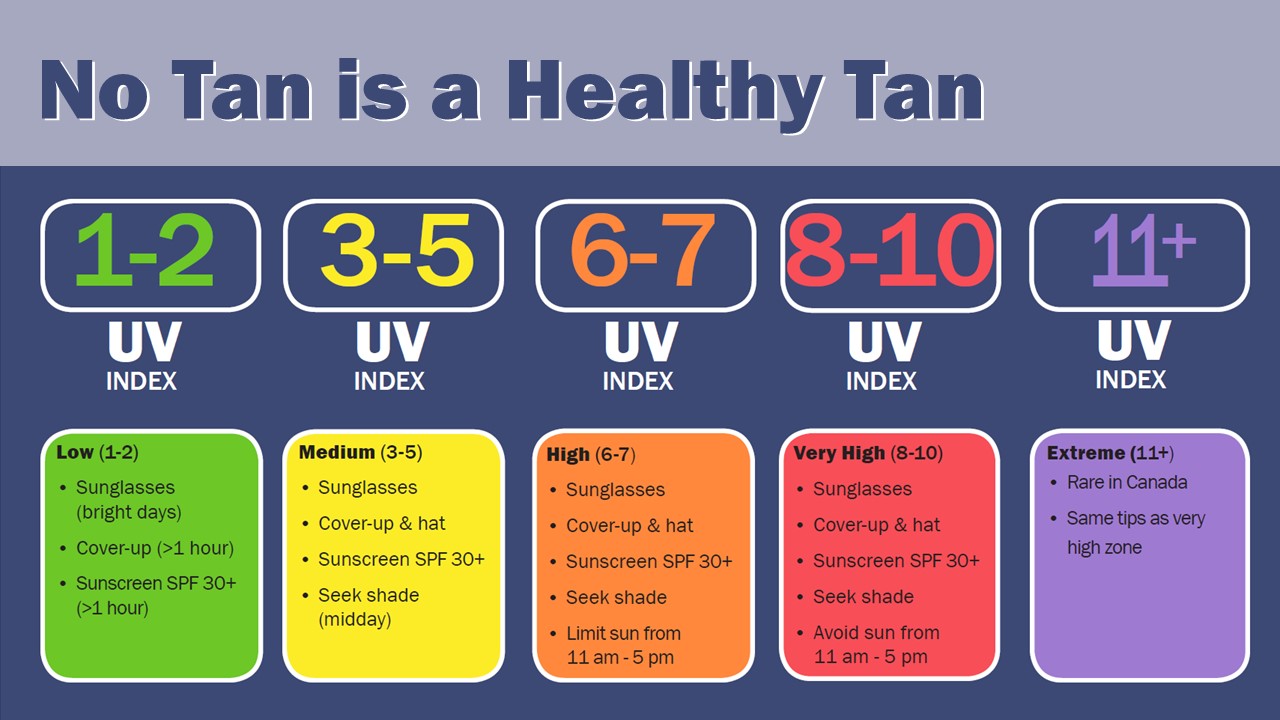
Don’t assume shade equals zero SPF. Even under an umbrella or a tree, apply broad-spectrum sunscreen SPF 30 or higher to exposed skin. Your ambitious shade doesn’t cover reflected rays.
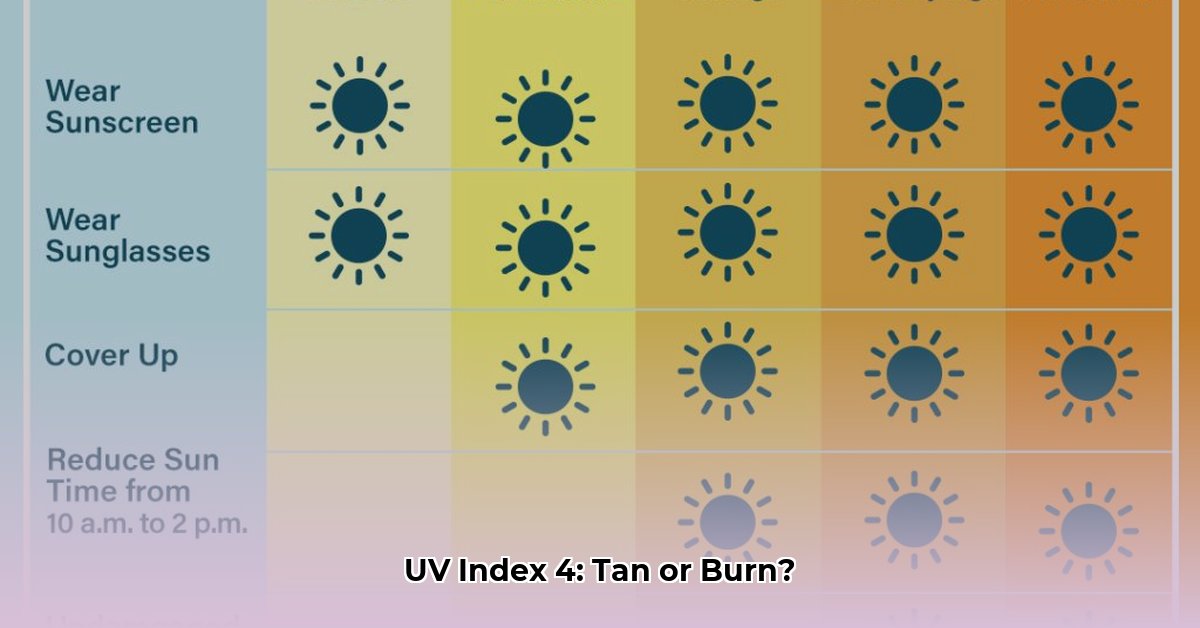
Check the UV index on your phone app. A high index means even shaded areas can deliver a gentle color hit. Plan your shaded outings between 10 a.m. and 4 p.m., when UV is strongest.
Wear a wide-brimmed hat for extra protection—it creates a second layer of shade over your face. And don’t forget the back of your ears and neck; they’re prime bounce zones.
Where to Park Your Towel
Best shade spots: under a dense tree canopy, behind a large building at midday, or under a beach umbrella angled to block the side sun. Remember that the sun moves, so shift your setup every hour.
Avoid placing your chair next to reflective surfaces like white walls, swimming pools, or light-colored sand. These amplify the bounce effect by up to 25%.
For an extra glow, sit near a lake or ocean—water reflects UV like a mirror. You’ll tan in the shade while feeling a cool breeze. Chef’s kiss.
 At What Uv Index Can You Tan | Detroit Chinatown
Cultural Notes on the Lazy Tan
In Mediterranean coastal towns, locals often set up under umbrellas in the afternoon. They know the real tan comes from the light that ricochets off the sea. It’s a centuries-old sun hack.
South Koreans have popularized “cloud tanning”—intentionally sunbathing on overcast days. Same principle, less direct heat. The shade-tan is a global citizen.
Even ancient Greeks appreciated indirect sun. They built colonnades and shaded courtyards, understanding that a healthy glow came from scattered light, not the midday blaze.
Fun Facts to Impress Your Friends
Snow reflects up to 80% of UV rays. That’s why skiers often get notorious goggle tans even on cloudy slopes. Your winter getaway is a secret shade-tan opportunity.
Urban shade is tricky: skyscrapers can create canyons that bounce UV between buildings, increasing exposure by up to 40%. Concrete jungles are sneaky sunbathing studios.
Your car window blocks most UVB, but not UVA—the aging rays. That’s why drivers’ left arms often looks years older than their right. Shade inside a car still ages you, just slower.
A Short Reflection for Daily Life
Maybe this whole shade-tan concept is a metaphor for how we live. We try to avoid the harshest parts of life, but reflections and scatterings still reach us, gently shaping who we are.
You can’t hide from everything, so you might as well enjoy the process. Let the sun’s echo kiss your skin while you sip your drink and read a good book.
Shade tanning is an art of patience. It’s the slow, quiet way to get a little color—and a little story—without fighting the light. And in a world that rushes, isn’t that a lovely way to spend an afternoon?