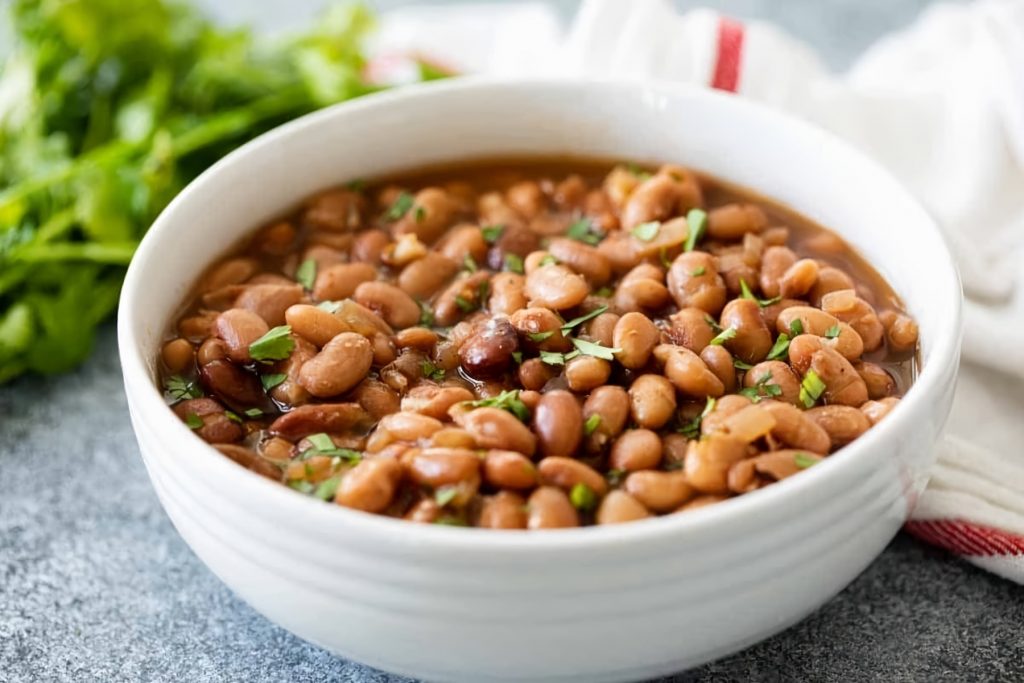
Let’s be honest: we’ve all got a can of pinto beans lurking in the back of the pantry. It’s the quiet hero of busy weeknights—humble, cheap, and ready to save dinner. But if your idea of “bean night” is just a sad bowl of beige mush, it’s time for a glow-up. We’re here to show you how that humble can can become the star of your table, with zero fuss and maximum flavor.
The Case for Canned Beans
First, a quick defense of the canned bean. Yes, dried beans are lovely for a Sunday soak, but on a Tuesday when you’re tired? No thanks. Canned pintos are already cooked, which means you’re just five minutes away from a meal that tastes like you spent two hours. Plus, they’re packed with fiber and protein—basically the workhorses of a healthy pantry.
Fun fact: pinto beans get their name from the Spanish word pinto, meaning “painted.” Their speckled skins do look like little canvases of rust and cream. And when cooked, those spots disappear into a creamy, uniform tan—like magic, but tastier.
Must Read
Your Go-To Canned Pinto Bean Recipe
This isn’t a recipe; it’s a template. Memorize it, tweak it, and call it your own. You’ll need one can of pinto beans (rinsed and drained), a tablespoon of olive oil, half a small onion (diced), two cloves of garlic (minced), a teaspoon of cumin, and a pinch of smoked paprika.
Heat the oil in a skillet over medium heat. Sauté the onion until it’s soft and translucent—about three minutes—then add the garlic for just thirty seconds more. Don’t burn the garlic; it’s the difference between savory and bitter. Toss in the drained beans, cumin, and paprika. Let everything sizzle for two minutes, stirring often.
Now, here’s the trick: add a quarter cup of water or bean broth (yes, from the can) and mash about a third of the beans with a fork. This creates a creamy, saucy texture that clings to each bean like a cozy blanket. Cook for another minute until thick, then season with salt and pepper to taste. That’s it. Total time: ten minutes.
Cultural Footnotes & Serving Ideas
Pinto beans are the heart of frijoles de la olla in Mexico, where they’re often simmered with epazote and pork fat. Our quick version won’t transport you to Oaxaca, but it pays respect. Use this as a filling for burritos, a side for grilled chorizo, or even a dip for tortilla chips with a drizzle of crema.
 Canning Pinto Beans Recipe
Refried beans? Just cook the recipe, then mash them completely and fry in a bit of lard or butter. The Spanish phrase frijoles refritos actually means “well-fried beans,” not “refried” twice. So you’re already on track. Serve them with rice and a fried egg for a breakfast that rivals any diner hash.
And if you’re feeling spicy (literally), add a chopped chipotle pepper in adobo sauce. It adds a smoky kick that makes these beans feel like a secret weapon. Pair with a cold beer or a lime-spiked seltzer, and you’ve got a weeknight fiesta.
Practical Tips for Bean Bliss
Rinse your beans. Canned beans are swimming in sodium and starchy liquid. Rinsing cuts the salt by up to 40% and prevents that gloppy, metallic taste. If you’re feeling bold, save some of the liquid—it’s called aquafaba, and it’s a vegan miracle for whipping into meringues or mayo. But that’s a story for another day.
Store leftovers in the fridge for up to five days. The magic happens on day two, when flavors marry into something even better. I’ll often double the batch on a Sunday, then use it for quick lunches—spooned over greens, stuffed into a tortilla, or just eaten straight from the container with a fork. No judgment.
 Canning Pinto Beans Recipe - Year Round Pantry
Freeze them, too. Portion into ice cube trays for single servings, or bag in ziplock bags for future soup bases. When you’re snowed in or just exhausted, you’ll thank your past self. A little foresight turns a humble can into a meal prep powerhouse.
Fun Facts to Impress Your Friends
Did you know pinto beans are the most popular bean in the United States? They beat out black beans and kidney beans by a long shot. They’re also a complete protein when paired with corn—think tortilla chips or cornbread. That’s why tacos and beans are basically a match made in culinary heaven.
In Japanese culture, cans of pinto beans are sometimes sweetened and turned into an paste for desserts. Yes, sweet bean paste. It’s a mind-bending idea, but a spoonful of it on mochi is oddly addictive. You’ve been warned.
A Final Reflection: Beans as Life
Here’s the thing about pinto beans: they don’t ask for much. A little heat, a little love, and they transform. In a world that demands perfection—the perfect meal, the perfect schedule—the canned bean offers a gentle rebellion. It’s good enough, and that’s more than enough.
So the next time you open that can, don’t just heat it and eat it. Give it a minute. Add a whisper of cumin, a splash of smoke. Let it remind you that small acts of attention—even on a Tuesday—can turn something ordinary into a little ritual. That’s not just cooking. That’s living well.