
There’s a quiet power in the Mississippi River Valley, and in Cape Girardeau, Missouri, that power comes with a heavy, essential story. You might come for the river views or the charming brick-lined streets, but you’ll leave thinking about the Trail of Tears. This isn’t just a museum exhibit; it’s a landscape that holds memory, and the best way to honor it is to explore it with open eyes and a respectful heart.
The River Brought Them Here
In the brutal winter of 1838-1839, over 15,000 Cherokee people were forced from their homelands in the Southeast. Many crossed the frozen Mississippi River right here, at Cape Girardeau. Today, you can stand on the riverfront and imagine the chaos, the cold, and the profound loss that marked that crossing.
The Trail of Tears State Park is the main site, and it’s a place of stark beauty. You’ll find rolling hills, dense forest, and a stillness that feels both peaceful and charged with a somber history. A quick tip: start at the visitor center—the exhibits are heartbreakingly direct and small enough to digest in 30 minutes.
Must Read
What to See and How to See It
Don’t just drive through. Get out of your car. The park offers a three-mile hiking trail that follows a portion of the original route. It’s an easy, moderate walk, perfect for clearing your head and grounding yourself in the place.
Look for the Nine Eagles Trail, a 3.5-mile loop that offers incredible views of the Mississippi. Bring water, good shoes, and a quiet attitude. A fun little fact: the park is a designated Important Bird Area, so if you’re quiet enough, you might spot bald eagles, herons, or even a pileated woodpecker.
For a quicker stop, drive to the old Riverfront Trail near downtown Cape. You’ll find interpretive signs that tell the story of the crossing. It’s a short, paved walk—perfect for a contemplative 20 minutes before grabbing coffee at a local café.
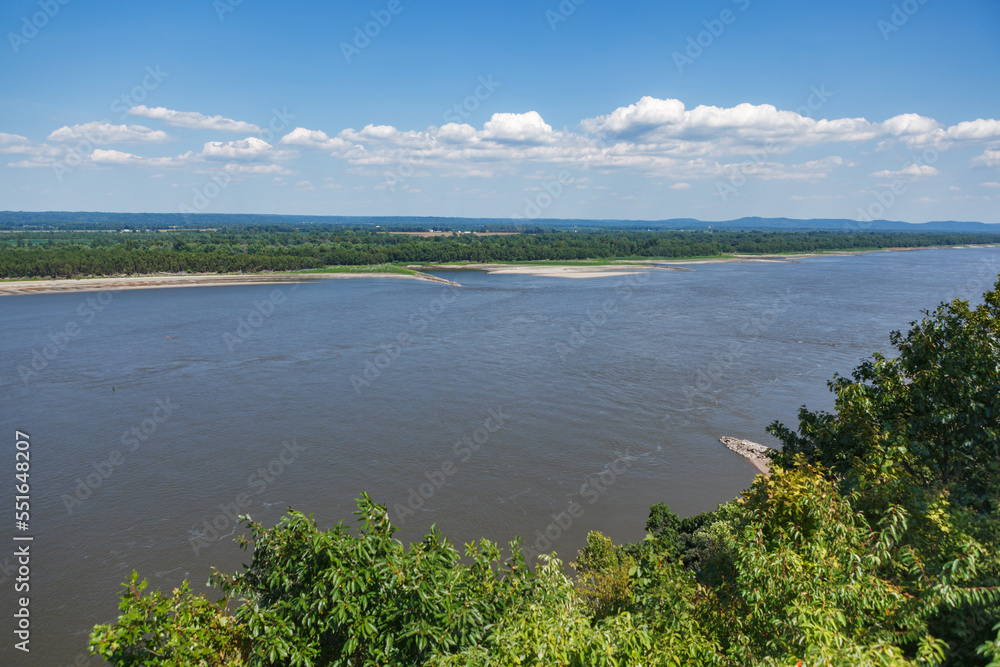 Mississippi River from the scenic overlook at the Trail of Tears State
Practical Tips for a Soulful Visit
Go early in the morning or late in the afternoon. The light is softer, the crowds are thinner, and the park feels more intimate. Weekdays are best for a solitary experience. If you go on a weekend, try to arrive by 9 a.m.
Pack a simple picnic. There are a few picnic tables near the overlooks, but honestly, sitting on a fallen log with a thermos of tea feels more in tune with the landscape. Leave no trace—this isn’t a place for loud music or elaborate gear. It’s a place for listening.
Don’t skip downtown Cape Girardeau. Grab a meal at Broussard’s Cajun Cuisine or a pastry at Scout’s Coffee Bar. The town has a vibrant arts scene, including public murals that often reference the area’s layered history. It’s a good counterbalance to the heavy park visit.
The Cultural Thread
The Cherokee story here is connected to a broader American narrative of displacement and resilience. Did you know that the Cherokee language is experiencing a revival? Today, there are over 2,000 fluent speakers of Cherokee, thanks to tribal immersion schools and online resources. That’s a quiet triumph you can think about while walking the trail.
 Trail of Tears: Heartbreaking look at an 'arduous journey'
Another fun fact: the park is home to a reconstructed 19th-century trapper’s cabin. It’s not directly Cherokee, but it shows you the kind of frontier life that existed alongside the Trail of Tears tragedy. It adds context to a deeply complex American story.
Connecting the Past to Your Present
So why does a 180-year-old forced removal matter on a Tuesday afternoon? Because we all have our own small “trails of tears”—moments of loss, disruption, or starting over. Standing in silence at the water’s edge, you realize that resilience is not about forgetting; it’s about honoring what came before while choosing to move forward.
Take that lesson home with you. The next time you’re stuck in traffic or stressed about a deadline, pause. Breathe. Remember that the land itself has seen so much more than any one bad day. Your footsteps on the trail, however small, are part of a larger, ongoing story of endurance.
Go slow. Look for eagles. Listen to the wind in the cottonwoods. The Trail of Tears in Cape Girardeau isn’t a tourist trap—it’s a place that asks you to feel, to learn, and to walk away just a little bit more human.