
Let’s be real: there’s something almost magical about a steaming mug of hot cocoa on a rainy afternoon or a rich, dark chocolate brownie that makes you close your eyes and sigh. We’ve been taught to worship cocoa as a superfood—packed with antioxidants, good for the heart, even a mood booster. But before you dive headfirst into that artisanal cocoa tin, let’s chat about the flip side. Yes, your beloved cocoa powder can also come with a few side effects that deserve a little attention.
The Caffeine Conundrum
Here’s a fun fact that might surprise you: cocoa powder contains caffeine, and it’s not just a trace amount. A tablespoon of unsweetened cocoa has about 12 milligrams of caffeine—not as much as coffee, but enough to give you a jolt if you’re sensitive. If you’re sipping a double-chocolate latte after dinner, you might find yourself staring at the ceiling at 2 a.m., rethinking your life choices. Pro tip: switch to a caffeine-free carob if you’re prone to late-night restlessness.
Theobromine: The Chill Cousin of Caffeine
Cocoa also contains theobromine, a compound that sounds fancy because it is—it’s actually named after the Greek word for “food of the gods.” While theobromine is a gentle stimulant that can lift your mood, it can also speed up your heart rate and cause a mild case of the jitters. For most people, it’s no big deal, but if you’re sensitive, you might feel like you’ve had three espressos after just two truffles. Listen to your body; it’s not being dramatic.
Must Read
Your Tummy Might Protest
We loves cocoa, but sometimes our stomachs don’t. The natural compounds in cocoa can relax the lower esophageal sphincter—the little muscle that keeps stomach acid where it belongs. That’s why a heavy chocolate dessert can lead to heartburn or acid reflux, especially if you lie down too soon after. If you have a sensitive gut, try pairing your cocoa with a small meal or opting for a low-fat cocoa powder, which is less likely to cause issues.
The Magnesium “Miracle” Can Backfire
Cocoa is often celebrated for its high magnesium content, which is great for your muscles and nerves. But too much magnesium—especially from a concentrated powder—can act as a natural laxative. Ever eaten a whole bar of dark chocolate and felt a little… urgent? That’s the magnesium hosing things along. Fun fact: this is why cocoa was once used in traditional medicine to treat constipation. Just don’t go overboard unless you’re okay with a surprise sprint to the bathroom.
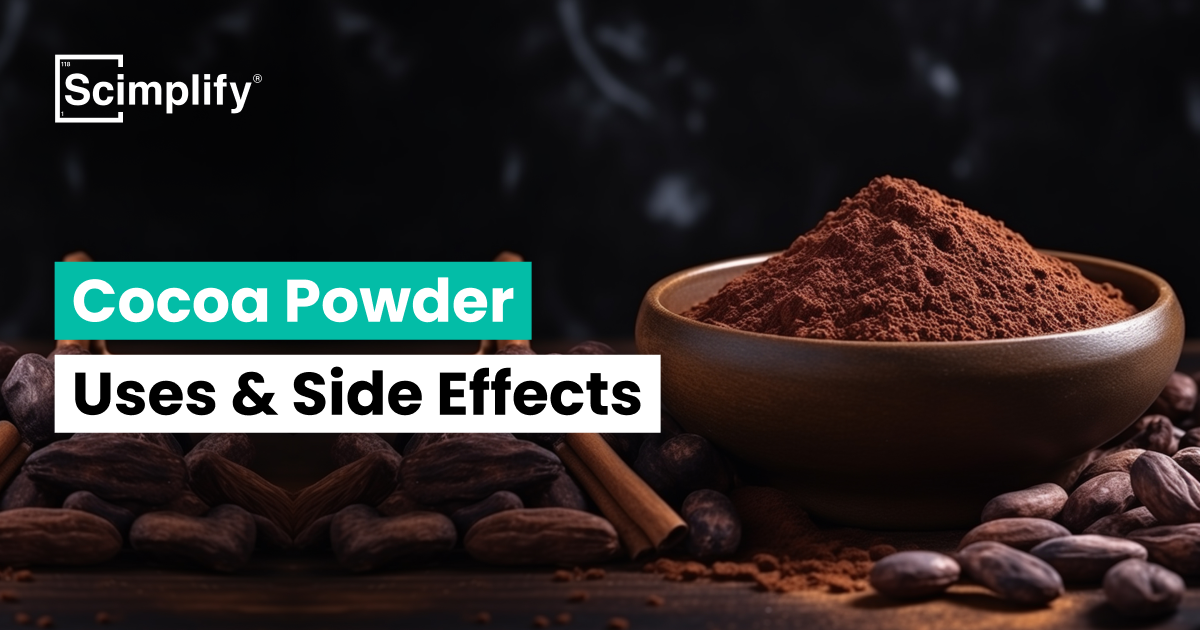 Scimplify Blogs | Cocoa Powder- Uses and Side Effects
Migraine Triggers and Your Head
For a small percentage of people, cocoa can be a migraine trigger. It’s not the cocoa itself, but the tyramine and phenylethylamine it contains—neuroactive compounds that can dilate blood vessels in some sensitive individuals. If you’ve noticed that a chocolate binge is followed by a throbbing headache, you’re not imagining it. Keep a food diary for a week and see if your cocoa consumption lines up with those pain days. Your brain might be trying to tell you something.
Oxalates and Kidney Stones
Here’s a deeper cut: cocoa powder is very high in oxalates, which can bind with calcium in your body to form kidney stones. Two tablespoons of raw cocoa have about 150-200 milligrams of oxalates, and the daily limit for people prone to stones is around 100. If you’ve ever had a kidney stone—and trust me, you’d remember—you might want to limit your cocoa intake or pair it with calcium-rich foods like milk or yogurt. The calcium helps bind oxalates in the gut rather than the kidneys.
How to Stay on Cocoa’s Good Side
You don’t have to break up with your cocoa—you just need to date it wisely. Stick to one or two tablespoons per day, and choose a high-quality, unsweetened powder to avoid extra sugar that adds its own side effects. When you’re making a drink, stir in a pinch of cinnamon or vanilla to reduce bitterness without extra sugar. And always, always drink water alongside your cocoa—hydration helps flush out excess compounds your body doesn’t need.
 Cacao Powder Benefits Side Effects In Powerpoint And Google Slides Cpb
Cultural Cheers and a Little Honesty
Think of cocoa as that charismatic friend who’s amazing at parties but sometimes talks a little too loud. The Aztecs and Mayans revered it as a sacred drink for warriors and royalty—and they were right to love it. But even they knew moderation was key. In modern life, we often forget that “natural” doesn’t mean “free of consequences.” A gorgeous cocoa bowl at a café or a rich brownie at a dinner party is fine—just don’t make it your daily breakfast.
So here’s the bottom line: cocoa powder is a treat, not a superfood drug. It can give you energy, comfort, and antioxidants, but it can also mess with your sleep, your stomach, and your concentration if you overdo it. The next time you’re reaching for that bag of dark cocoa, take a breath and ask yourself: Is this a loving indulgence or a habit?
Because at the end of the day, the best relationship you can have with food—and with yourself—is one built on awareness, not denial. Sip your cocoa. Enjoy the moment. And if you feel a little jittery after three cups? Well, maybe that’s just your wake-up call to put the spoon down and go for a walk. Your body knows what it needs; you just have to listen.