You know that moment when you sell a handmade llama-shaped vase for $40 and feel like a financial genius, only to realize you spent $38 on the clay and another $15 on the llama’s custom eyelashes? Congratulations, you’ve just met the wonderfully cruel friend known as the Cost of Goods Sold (COGS). It’s the number that tells you if you’re running a business or an expensive, llama-themed charity.
The Bare Bones (And the Bones You Paid For)
In the simplest, most brutal terms, COGS is the total cost of making the stuff you sell. It includes the raw materials (that clay), the direct labor (your aching hands), and the manufacturing overhead (the kiln’s electricity bill). You do not include the hot dog you bought for lunch or the tiny, motivational hammock you installed for your chihuahua. That’s a “selling, general, and administrative” expense—and your accountant will thank you for keeping it separate.
Here’s a fact that might ruin your next dinner party: The first-ever recorded COGS calculation was likely done by a Babylonian merchant who looked at a pile of clay tablets and a dead goat and thought, “Hmm, that goat cost me two chickens and a prayer.” We’ve since swapped goats for spreadsheets, but the soul-crushing math remains the same.
The Sneaky Formula That Runs Your Life
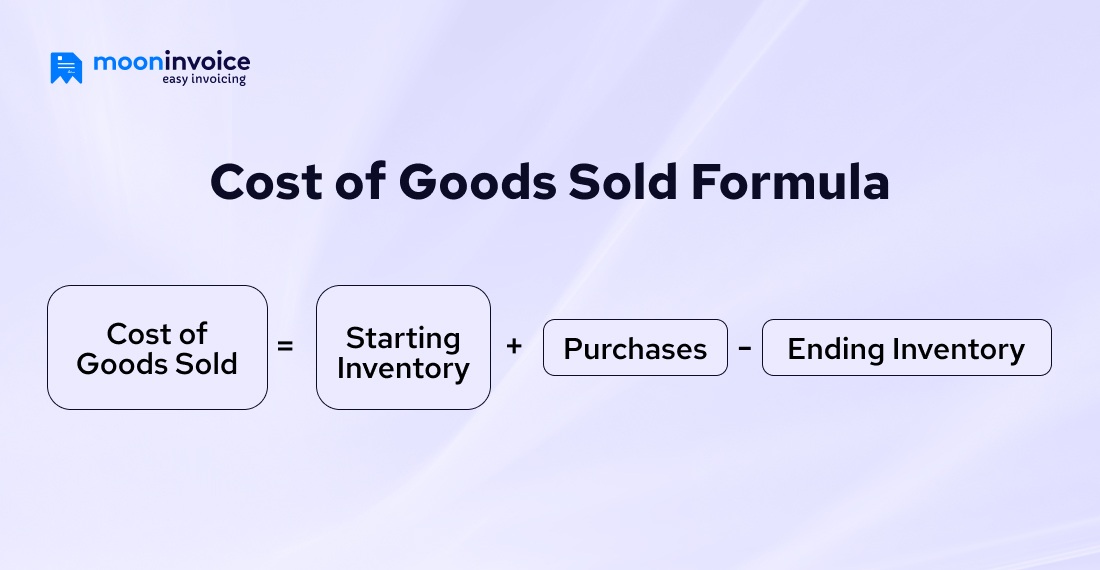
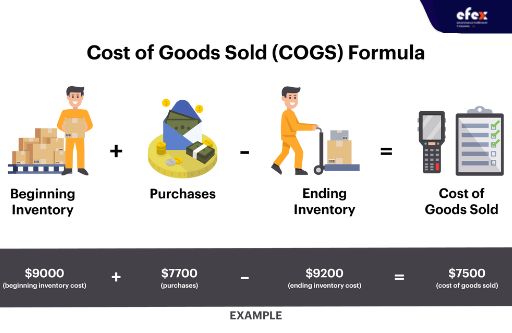
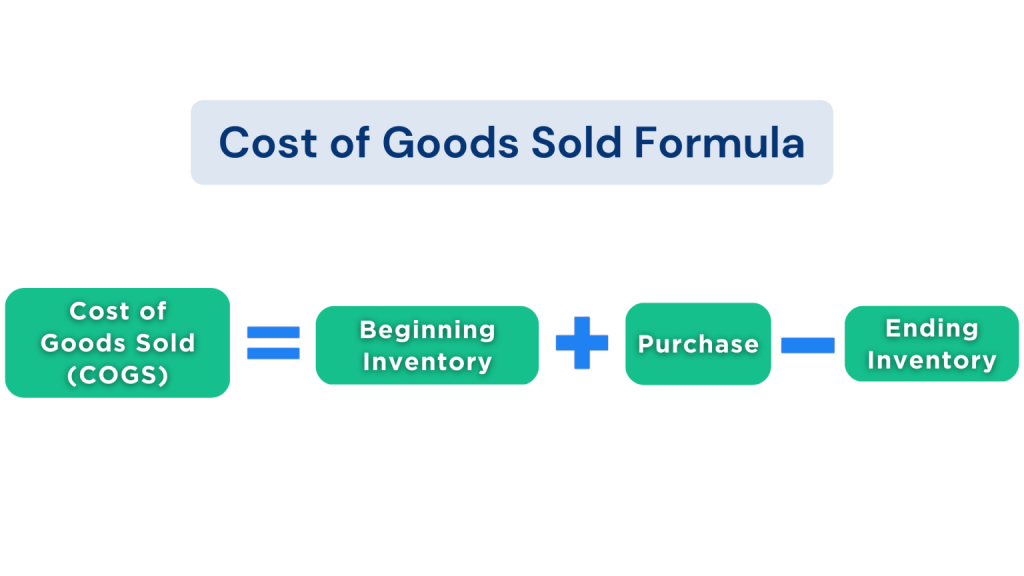
The actual formula for COGS is deceptively simple, like a cat pretending it didn’t just knock over your coffee. It’s this: Beginning Inventory + Purchases – Ending Inventory. Let’s break it down without the need for a degree in interpretive accounting.
Picture this: You start January with ten llama vases (Beginning Inventory). You buy enough clay for twenty more vases (Purchases). By February, you only have five vases left (Ending Inventory). This means you made, sold, or accidentally shattered fifteen vases. The cost of those fifteen vases? That’s your COGS. It’s basically financial subtraction with a heaping side of “where did all those vases go?”
Why You Can’t Just “Feel” the Number
Here’s where it gets hilarious—and also where small businesses go belly-up. Some people think COGS is just the price tag on the raw materials. Wrong. If you spend three hours painting a llama’s face, your time has a cost. If you use a fancy kiln that heats up at a rate of “one mortgage payment per hour,” that’s in there too. Ignoring these costs is like assuming your car can fly because you’ve seen it in a movie.
 Beginning Inventory: Definition, Formula, and Calculation
Let’s talk about a shocking truth. In 2022, the average U.S. restaurant had a COGS ratio of about 33%, meaning for every $1 in food sold, $0.33 went just to buying the ingredients. That leftover $0.67 has to cover the chef’s salary, the rent, and that one waiter who keeps breaking plates. If you mess up your COGS, you might think you’re a rich llama baron when you’re actually a broke pottery hermit.
The Inventory Abracadabra
Inventory valuation is where accountants get to feel like wizards. You have to decide which vases you sold first. Did you sell the old, dusty ones from last year (First-In, First-Out = FIFO), or did you sell the fresh, shiny ones you made yesterday (Last-In, First-Out = LIFO)? This choice changes your taxable income, which is a way of saying you can legally tell the government, “No, actually, I sold the old vases first, so I made less profit, so pay me later.” It’s the closest you’ll ever get to time travel without a DeLorean.
Pro tip: If you run a bakery, please use FIFO. You don’t want to sell the fresh croissants while the week-old baguettes turn into hockey pucks. Unless you’re running a museum of stale bread, then carry on.
 How to Calculate Cost of Goods Sold (COGS)? Formula and it's examples
The Wild World of “What If”
Now, let’s throw a flaming marshmallow into the campfire: obsolescence. Imagine you bought 500 llama vases, but suddenly the world decides that alpacas are cooler. Now your inventory is worth less than a wet sock. You can write down the value of that inventory on your books, which lowers your COGS. It’s an accounting trick that lets you say, “I didn’t lose money; the market just got llama-cist.” Your business might be bleeding cash, but at least your spreadsheet looks optimistic.
Here’s a number that will make your head spin: The cost of a single gram of the element californium is around $27 million. If you bought one gram to make a vase, your COGS would be astronomically high, and your vase would probably glow in the dark. The lesson? Stick to clay. Especially if you’re reading this in your pajamas.
The Final, Painful Truth
COGS is not sexy. It won’t get you a date or a podcast interview. But it is the bone structure of your profit. If you misjudge it, you’ll set a price on your llama vase that covers the clay but not the existential dread of the hours spent perfecting its snout. Always calculate COGS before you party. You’ll thank me when you’re sipping a latte from the profits of a well-priced, non-radioactive vase.
So go forth. Count your clay. Fear your kiln. And remember: every time you ignore a COGS number, a small business owner loses a tiny, invisible feather from their accountant’s hat. Don’t be that person.