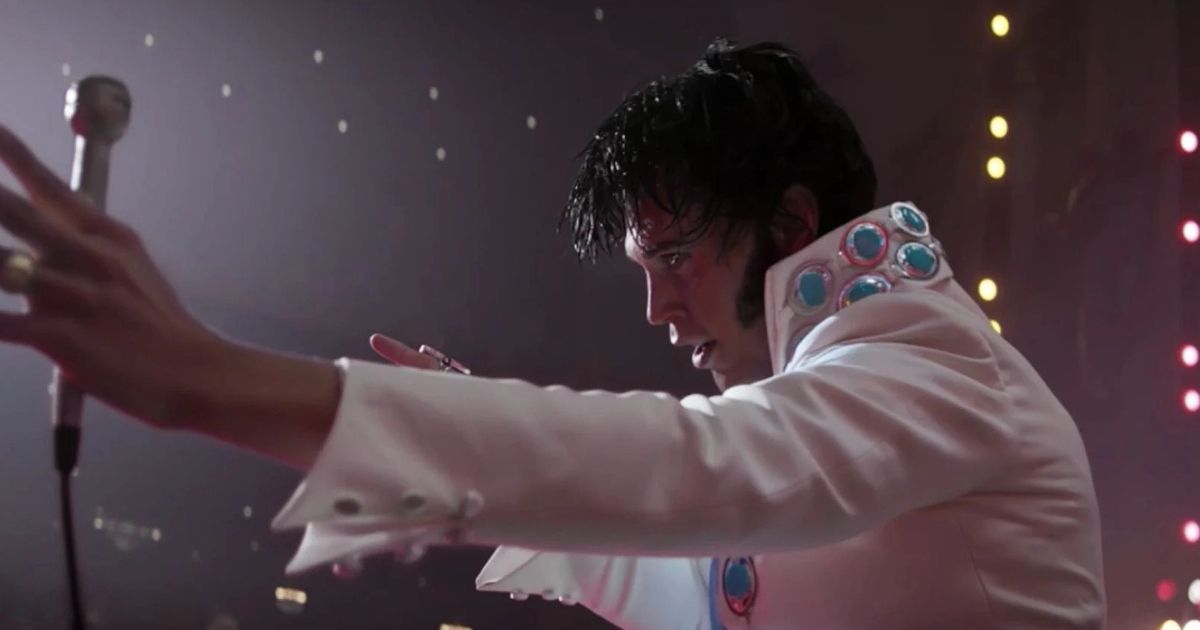
So, you’ve finally watched Elvis. Maybe you were swept away by the sheer spectacle, or perhaps you sat there squinting at the screen, one question buzzing louder than the soundtrack: Did Austin Butler actually sing in that movie? You’re not alone in wondering. It’s the kind of trivia question that sparks a debate at every dinner party since the film dropped.
The short answer is a resounding yes. Butler didn’t just lip-sync to a vintage recording; he used his own voice for the majority of the film. That’s not a gimmick—it’s the result of a transformation so intense it practically broke him.
But here’s where it gets juicy: Butler’s performance is actually a blend. Director Baz Luhrmann masterfully layered Butler’s raw vocals with snippets of the real Elvis Presley’s original tracks, especially for the iconic, high-energy numbers. Think of it as a sonic splice, where the young actor’s energy meets the King’s eternal soul.
Must Read
To get technical for a second, Butler sang live on set for every scene. Luhrmann wanted that electric, in-the-moment performance. Then, in post-production, sound engineers did their magic, mixing Butler’s live vocals with archival Presley recordings to create a seamless, goosebump-inducing hybrid you hear in the final cut. It’s less “imitation” and more spiritual collaboration.
The Grind Behind the Golden Voice
You don’t just wake up and sound like Elvis. Butler worked with a vocal coach for three years. That’s longer than most pop stars spend on their entire debut album. He studied every hiccup, every growl, every tender whisper of Presley’s vast career.
He didn’t stop at the voice. Butler locked himself away, listening to nothing but Elvis music and interviews for eighteen months. He even had a dialect coach on speed dial to make sure his speaking voice didn't slip. The result? A vocal performance so authentic that Priscilla Presley herself wept during the screening.
Fun little fact: Butler’s own speaking voice changed so dramatically during filming that he sounded like a 1950s Memphis native for months afterward. Friends and family reportedly found it “trippy” to have dinner with him. You might call it method acting; we call it total commitment.
What You’re Actually Hearing in the Key Scenes
Take the iconic Suspicious Minds concert scene. Listen closely; that’s nearly all Butler’s voice, mixed with a tiny bit of the original track for sonic depth. The raw emotion, the sweat, the cracking vulnerability—that’s 100% Austin.
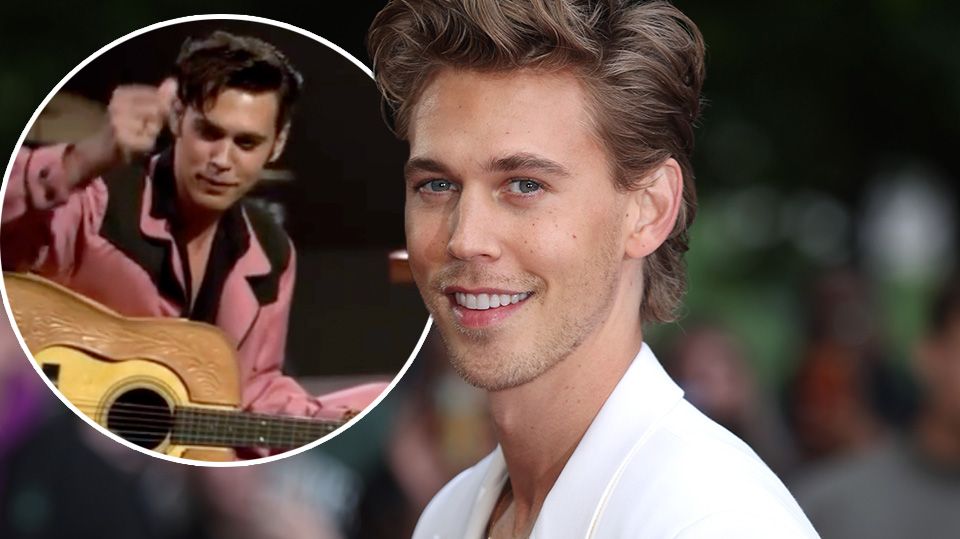 Baz Luhrmann shares video of Austin Butler singing as Elvis Presley
Now contrast that with something like Hound Dog. For the up-tempo, screaming rockabilly moments, Luhrmann often used more of the real Elvis tape, because let’s be honest, nobody nails the original fire like the man himself. But Butler’s physicality is what sells it; his vocal mimicking is so precise it’s almost creepy.
For the quieter, soul-baring ballads like Unchained Melody? That’s pure Butler. He sang that entire sequence live on the set piano, with only a single take. No overdubs, no safety net. The tear you see in his eye? That’s the stress of a man who put his entire being on the line.
Practical tip: Next time you rewatch the movie, close your eyes during the slower songs. You’ll hear the slight differences in breath control between Butler and Presley. It’s a fun game of “spot the vocalist.”
The Cultural Obsession with “Who Sang It?”
We live in an age of hyper-authenticity. Thanks to shows like The Voice and endless YouTube reaction channels, we’ve become amateur vocal detectives. We want to know if a performance is “real” or “fake.” This question about Butler taps into that cultural hunger for the truth behind the curtain.
But honestly, does it weaken the magic if it’s a blend? Think of it like a great cocktail; the base spirit is one thing, the mixer is another, but the final sip is transcendent. Butler provided the heart and soul; Presley provided the unattainable spark. Both are necessary.
For context, this debate isn’t new. When Jamie Foxx played Ray Charles, he sang most of the parts but was subtly blended with Charles’ original tracks for authenticity. When Rami Malek played Freddie Mercury, he lip-synced to a mix of his own voice and Queen master tapes. It’s the magic trick of modern biopics.
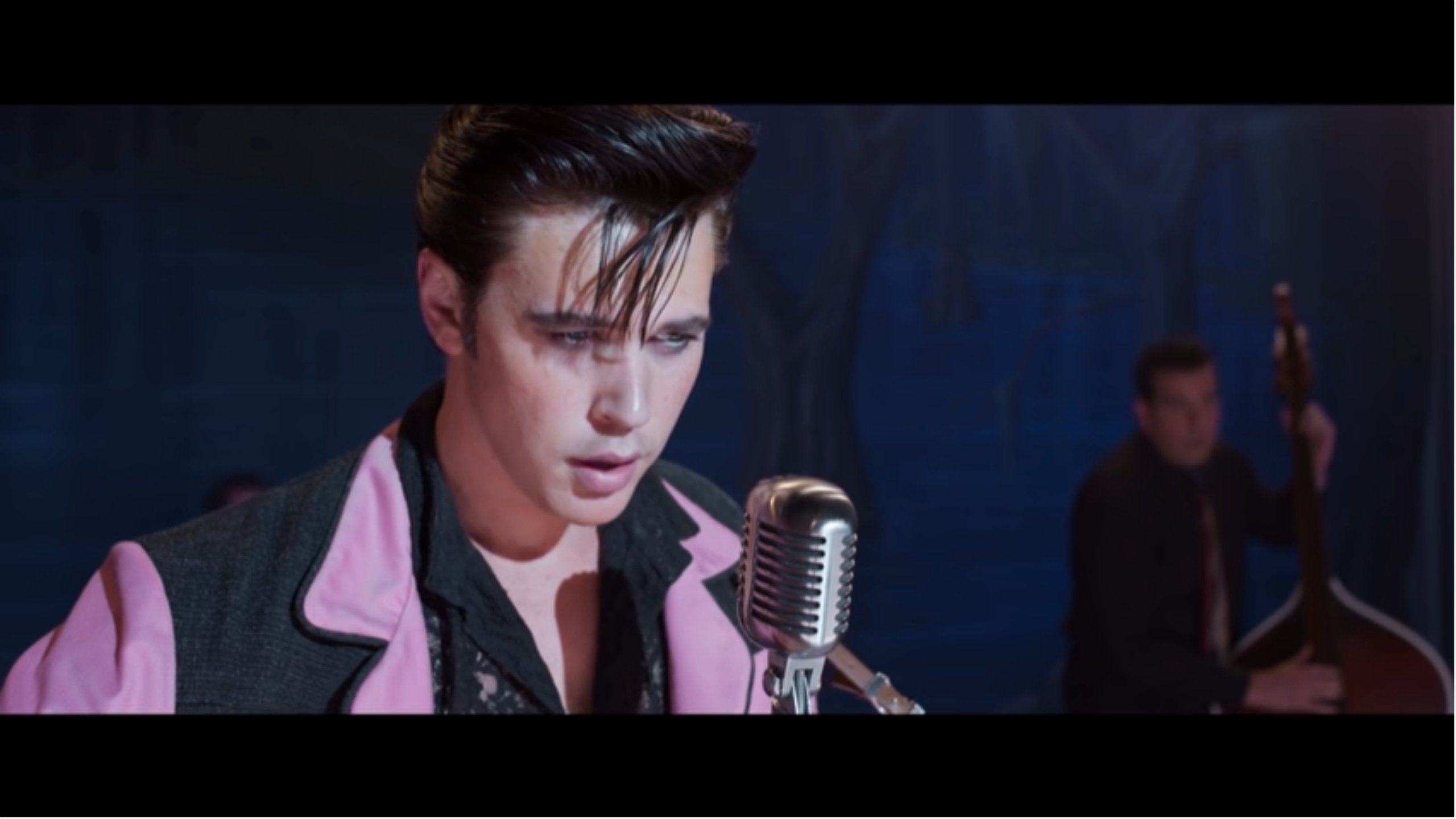 Austin Butler's Chilling Singing Skills Highlighted in Eerie 'Elvis
Quick Advice for the Elvis Superfan
If you want to impress your friends at the next movie night, drop this: Check out the “Deluxe Soundtrack” on streaming services. It isolates some of Butler’s solo takes. Listening to the “Butler only” version of Always on My Mind is a revelation. You’ll hear an actor, not a mimic, finding the emotion of a song.
Also, search for the behind-the-scenes clips where Butler, without any studio magic, sings in his raw, raspy voice. It’s a bit shaky, a bit untrained, and utterly human. It reminds you that even legends had to practice.
Final fun fact: Butler’s vocal range actually expanded by a full octave during training. Most of us struggle to get the ketchup out of the bottle; he unlocked a new vocal register in his thirties.
A Simple Reflection for Your Own Life
So, did Austin Butler sing? Yes. Did he do it perfectly? No, and that’s exactly why it works. He didn’t try to replace the King; he tried to honor him by giving his own imperfect, sweat-soaked, three-years-in-the-making best.
This is a gentle nudge for your own daily life. You don’t have to be a flawless version of someone else to create something beautiful. Sometimes, showing up, blending your raw effort with a little borrowed inspiration, and letting the world see the cracks is the most powerful thing you can do.
So tomorrow, whether you’re giving a presentation, writing an email, or just trying to nail the chorus in the car, remember: You don’t need to be Elvis. You just need to be the best, most authentic, slightly blended version of you. And that, my friend, is a mic-drop moment worth sharing.