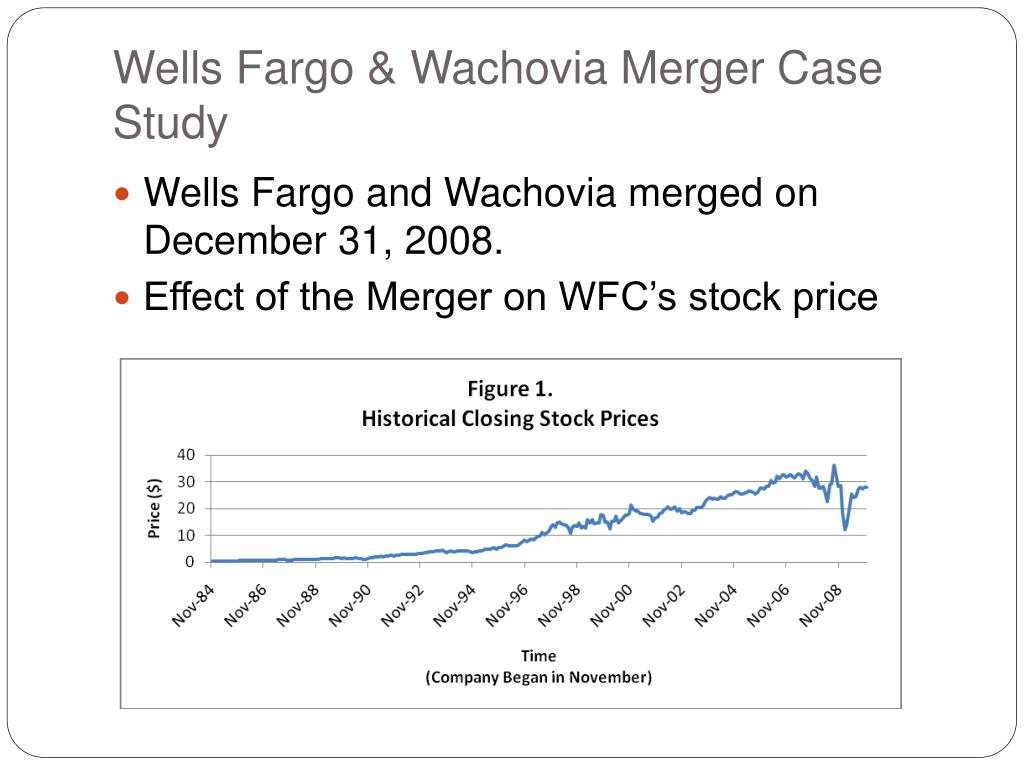
Okay, let’s settle this once and for all. Did Wachovia buy Wells Fargo? Or was it the other way around? If you’re picturing a bank heist where the smaller bank sneakily swallowed the bigger one, you’re not alone. But the truth is way more dramatic than that—like a soap opera, but with more spreadsheets.
The short, snappy answer is: No, Wachovia did not buy Wells Fargo. In fact, it was the exact opposite. Wells Fargo gobbled up Wachovia during the 2008 financial crisis. Think of it as the banking equivalent of a big friendly whale accidentally eating a smaller, slightly panicked fish.
The Death of Wachovia: A Very 2008 Story
Rewind to 2008. The housing market was collapsing, and banks were dropping like flies. Wachovia, once a massive banking giant on the East Coast, got hit hard by bad mortgage loans. They were basically holding a bag of rotten fruit while the whole market was on fire.
Must Read
So, Wachovia started looking for a lifeline. They almost did a deal with Citigroup, which would have been like trading one sinking ship for another. But then, poof, Wells Fargo swooped in like a knight in shining armor—or a very large bank in a sensible suit.
In October 2008, Wells Fargo announced it was buying Wachovia for about $15.1 billion in stock. No cash, just shares. It was a rescue, not a robbery. And it was fast. Faster than you can say “overdraft fee.”
Wait, So Who Was the Bigger Fish?
Here’s where people get confused. Before the crisis, Wachovia was actually huge. It had over $800 billion in assets. It was the fourth-largest bank in the U.S. by assets. Wells Fargo was also huge, but it wasn’t that much bigger. They were more like two giant sumo wrestlers, but one was about to fall over.
Wachovia was the sick giant. Wells Fargo was the healthy giant. So while Wachovia’s assets were massive, its value was tanking. Buying a sick giant for a bargain price is a classic move. It’s like getting a luxury yacht that needs a new engine—you pay less, but you have to fix the engine yourself. Wells Fargo was happy to fix that engine.
Let’s break it down with a silly analogy. Imagine you have a lemonade stand called “Wachovia Lemonade.” It’s famous, but your lemons are all rotten. A bigger stand called “Wells Fargo Lemonade” comes along and says, “Hey, I’ll buy your stand and your name, and I’ll bring my own excellent lemons.” That’s basically what happened. Wells Fargo bought the stand, not the rotten lemons.
 Wells Fargo: Cómo mantenerse en la cima por más de 150 años.
The Great Brand Swap
For years after the deal, you saw the name “Wachovia” slowly fade away. Wells Fargo started putting its own signs on all those Wachovia branches. It was like watching a bank get a very slow, very official makeover. By 2011, the Wachovia name was completely gone. Poof. Disappeared like those fees on your statement you swore you didn’t incur.
But here’s the funny part: Many people still feel like they bank with Wachovia. They walk into a Wells Fargo branch and say, “Hi, I’m a Wachovia customer.” The teller smiles and thinks, “Bless your heart.” The truth is, your money is now with Wells Fargo. Your account number might be the same, but the logo on the door belongs to the winner of this banking battle royale.
Why the Rumor Lives On
Why does everyone ask, “Did Wachovia buy Wells Fargo?” It’s simple: people remember names. Wachovia was a beloved brand in the Southeast and Mid-Atlantic. It had a cool, historic name (it came from the “Wachau” region, which sounds fancy). When a big, beloved name gets bought, our brains get confused. We think, “That big, famous bank couldn’t have been bought by that other bank.” But it was.
Also, let’s be real: Wells Fargo had a bit of a boring, stagecoach image. Wachovia felt more modern. So when they merged, people assumed the cooler, newer name was the buyer. It’s like assuming the cool kid in high school bought the nerd’s lunch, when in reality, the nerd was secretly a millionaire. Looks can be deceiving, especially in banking.
So, What’s the Final Verdict?
Let’s clear the air with a simple checklist:
 Best Strategies for a Successful Brand Overhaul
- Did Wachovia buy Wells Fargo? Nope. No way. Not a chance.
- Did Wells Fargo buy Wachovia? Yes! A thousand times yes. It happened in 2008, and it was a rescue mission.
- Is Wachovia still around? Only in your heart and on old checkbooks you find in your junk drawer. The brand is dead, but its history lives on under the Wells Fargo umbrella.
So, the next time someone at a party says, “I think Wachovia bought Wells Fargo,” you can smile, sip your drink, and say, “Actually, my friend, it’s the other way around.” Then watch their face light up with confusion. You’re welcome.
A Happy Ending for Everyone (Sort Of)
Here’s the uplifting part: This story is actually a success. Wells Fargo saved Wachovia from a painful collapse during the scariest financial crisis in decades. Thousands of jobs were kept. Millions of customers didn’t lose their savings. The banking system, wobbly as it was, got a little stronger.
Sure, it was a takeover. But it was also a rescue. And while Wachovia’s name is gone, its legacy lives on in every Wells Fargo branch on the East Coast. It’s like when a favorite actor retires, but you still see their old movies. Wachovia’s ghost is still making deposits.
So, don’t be sad about the name change. Be happy that your money is safe, that the bank is still open, and that you now have a fantastic trivia fact to drop at dinner parties. And remember: Wells Fargo bought Wachovia. Not the other way around. You can sleep soundly now.
Final thought: In the world of banking, sometimes the whale eats the fish. And sometimes, the fish turns out to be a whale in disguise. Either way, you keep your cash, and you get a good story. That’s a win-win, if you ask me. Now go check your balance—and smile knowing you just learned something new.