Picture this: You’re slicing into a glossy red bell pepper, the crunch echoing through a quiet Sunday afternoon. It’s beautiful, sweet, and you already know it’s packing vitamin C like a champ. But what about vitamin K?
Here’s the short answer: Yes, bell peppers do have vitamin K, but it’s not their headline act. Think of it as the quiet friend in the group—supportive, steady, and worth knowing.
The Vitamin K Breakdown, Pepper by Pepper
Vitamin K is the unsung hero of blood clotting and bone health. Without it, a paper cut could turn into a drama. And while leafy greens like kale or spinach steal the K-spotlight, bell peppers happily contribute.
Must Read
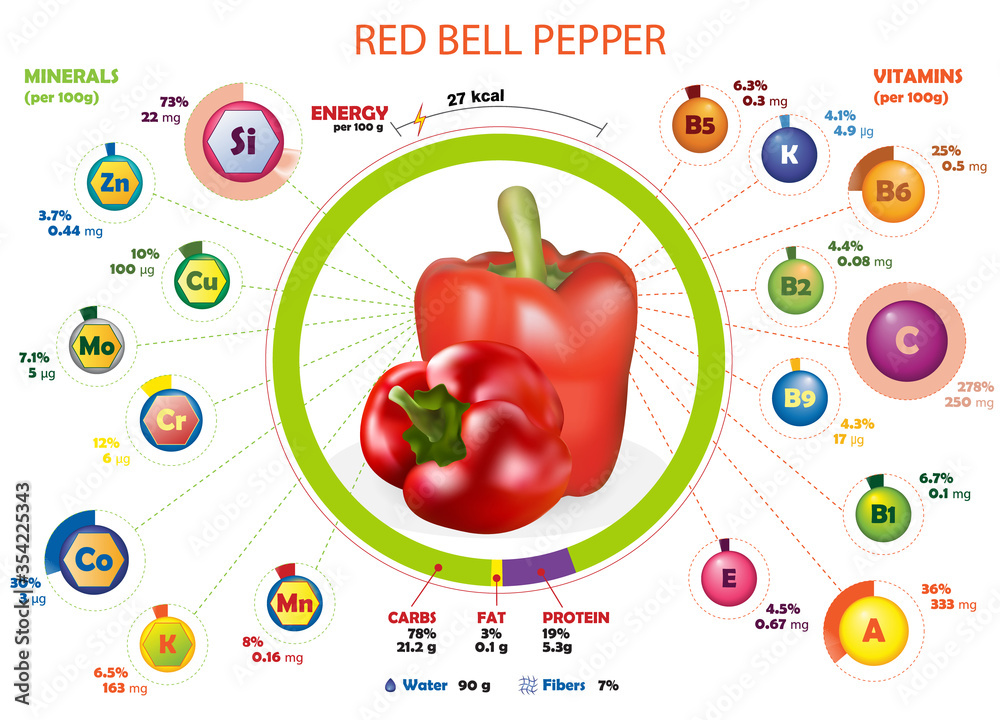
Here’s the raw data: One medium red bell pepper gives you about 5.5 micrograms of vitamin K—that’s roughly 5% of your daily need. Green peppers are a touch lower, clocking in around 3.5 micrograms per medium fruit.
Color matters more than you think. Red peppers are simply riper green peppers, and with that ripening comes a slight boost in vitamin K. It’s a classic case of patience paying off on your cutting board.
A Tiny Dose with a Big Role
Don’t let the numbers fool you. Even small amounts of vitamin K work in a chain reaction inside your body. Every microgram helps that delicate dance of calcium management, keeping your bones dense and your blood flow smooth.
If you’re on blood-thinning medications like warfarin, consistency is key. Bell peppers are mild enough that a few slices won’t rock your boat—but always check with your doctor before making any sudden changes.
Fun fact: The name vitamin K comes from the German word Koagulation. Scientists weren’t trying to be clever; they just really wanted to highlight its clotting powers. Respect.
How to Work Peppers into Your K-Conscious Life
You don’t need to obsess over micrograms. Instead, let bell peppers be the crunchy, colorful vehicle for other K-rich ingredients. Toss them into a salad with spinach, or roast them alongside broccoli for a double dose.
 54 Foods High In Vitamin K | Healthsomeness
Try this easy trick: A drizzle of olive oil isn’t just for flavor—vitamin K is fat-soluble, meaning a little healthy fat helps your body absorb it better. Suddenly, that pepper-and-hummus snack is a tiny nutritional powerhouse.
For a cultural twist, think of a vibrant Moroccan chakchouka—bell peppers simmered with tomatoes, eggs, and cumin. That dish is a celebration of color, and every pepper ring brings a whisper of vitamin K to the party.
Beyond the Nutrient: The Real Magic of Bell Peppers
Let’s be real—nobody eats bell peppers solely for vitamin K. You eat them because they’re fun. They’re the vegetable that smiles back, with their plump shapes and candy-like crunch.
In Japanese cuisine, thinly sliced bell peppers are often used as a vibrant garnish called moyashi-adjacent, adding both texture and a quiet nutritional nod. In Italy, they’re stuffed with rice and herbs, proving that comfort food can still be considerate.
Pop culture dropped a hint, too: ever notice how Bell Pepper is the name of a quirky indie band? Or how Pinterest boards are full of “rainbow pepper” salads? We’re collectively obsessed with their aesthetic, and it turns out our bones approve.
Practical Tips for Your Next Grocery Run
Go for red. If vitamin K is your goal, red peppers edge out their green siblings. They’re also sweeter, which means you’ll eat them more willingly—that’s a win-win.
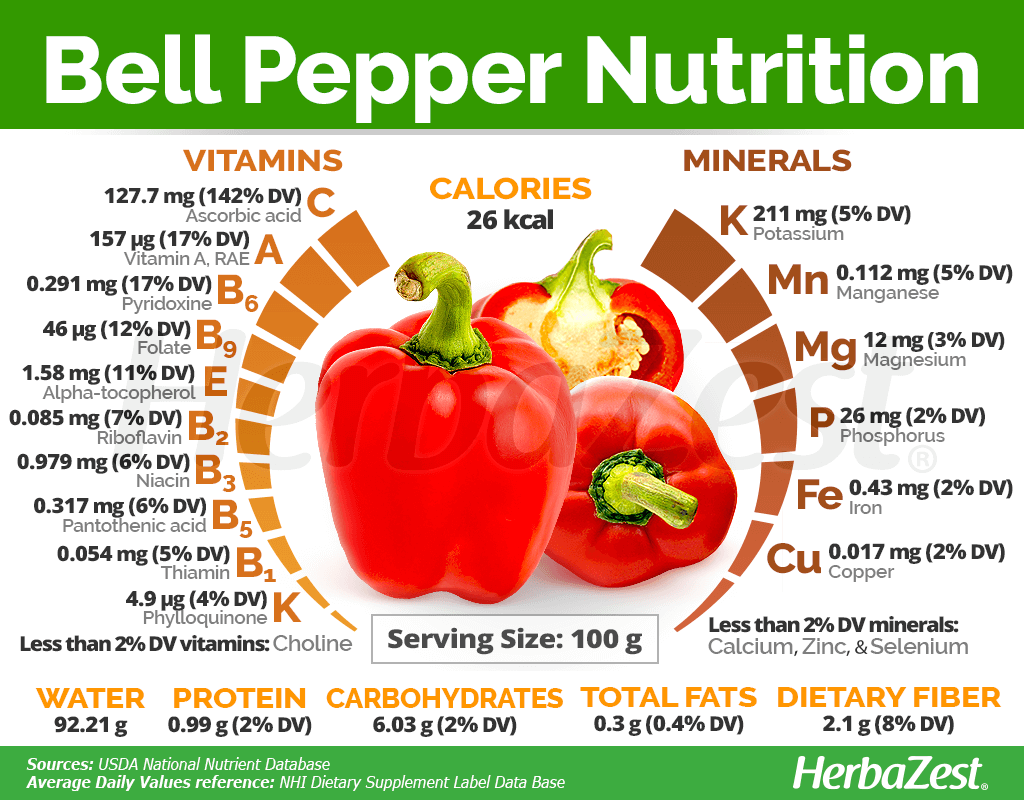 Red Pepper Nutrition Fact Sheet – YFJNH
Don’t peel them. The skin holds a good portion of the nutrients, including vitamin K. Just give them a good rinse and slice away.
Store them in the fridge crisper drawer to preserve their vitamin content. Light and heat degrade vitamin K over time, so cold and dark keeps your peppers loyal.
One more fun fact: A single red bell pepper has more vitamin C than an orange. But we’re here for the K story, and it’s a quiet but honorable one.
The Connection to Daily Life
Here’s the reflection moment: You don’t need to chase every micronutrient like it’s a treasure map. Life is full of small, unglamorous wins—like realizing that the crunchy pepper in your lunchbox is doing more than you thought.
Vitamin K in a bell pepper is a reminder that goodness often comes in subtle packages. You don’t have to overhaul your diet; you just have to pay attention to what’s already there.
So go ahead, slice that red pepper for a stir-fry, or munch it raw with a little salt. You’re not just eating color and crunch. You’re giving your body a quiet, steady handshake of support. And that is worth a happy crunch.