
So there I was, standing in my uncle Louie's kitchen, the man who claims his chili is "non-negotiable." He’s got a pot bubbling away, the aroma of cumin and smoked paprika making my stomach growl. He hands me two cans of kidney beans and says, “Drain those, but save the liquid.” I just stared at him. Save the bean water? I thought, because in my world, you open the can, you dump the whole thing in, and you move on. Uncle Louie, of course, sensed my hesitancy and gave me the look—the one that says, you are about to learn something, kid.
That moment kicked off a journey into the great bean-draining debate. I bet you’ve stood in your own kitchen, holding a can, wondering the exact same thing. Should you drain those beans before they dive into the chili, or should you just let that gloppy liquid ride? Let’s be honest—most of us have done both, depending on how lazy we feel that day. But there’s a real difference, and once you see it, you’ll never unsee it.
What’s Really Inside That Can?
First, let’s talk about that liquid. It’s not just "bean water"—it’s a starchy, salty brine packed with sodium and thickeners. Manufacturers add it to keep the beans soft and preserved, not to enhance your chili. If you dump that whole can in, you are adding a lot of extra salt and a weird, slimy texture to your pot.
Must Read
Here’s the kicker: that brine can also mess with your chili’s color. Ever had a chili that looked more like a dishwater soup than a rich, red bowl of comfort? That’s often the bean liquid sneaking in and diluting all that beautiful tomato paste and chili powder you worked on. Nobody wants soup. You want a thick, hearty stew that clings to a spoon, right?
The Case For Draining (And Rinsing)
I am now team drain-and-rinse, and here’s why: it gives you control. You get to decide how salty and how thick your chili becomes. Uncle Louie taught me to rinse the beans in a colander until the water runs clear—that removes the excess starch and sodium.
Then, you can add your own liquid—beef broth, beer, or even some of that reserved bean juice if you’re feeling rebellious. Pro tip: Rinsing also helps with digestion. Less starch means less of that… how do I put it… musical aftermath we all pretend doesn’t happen after a big bowl of chili. Your stomach will thank you later.
But What About Flavor?
I know, I know—some folks swear the bean liquid adds "depth." They argue it’s a shame to toss out that "liquid gold." But here’s the truth: bean liquid doesn’t taste like beans. It tastes like metallic, salty, slightly tinny water. Not exactly what you want starring in your chili.
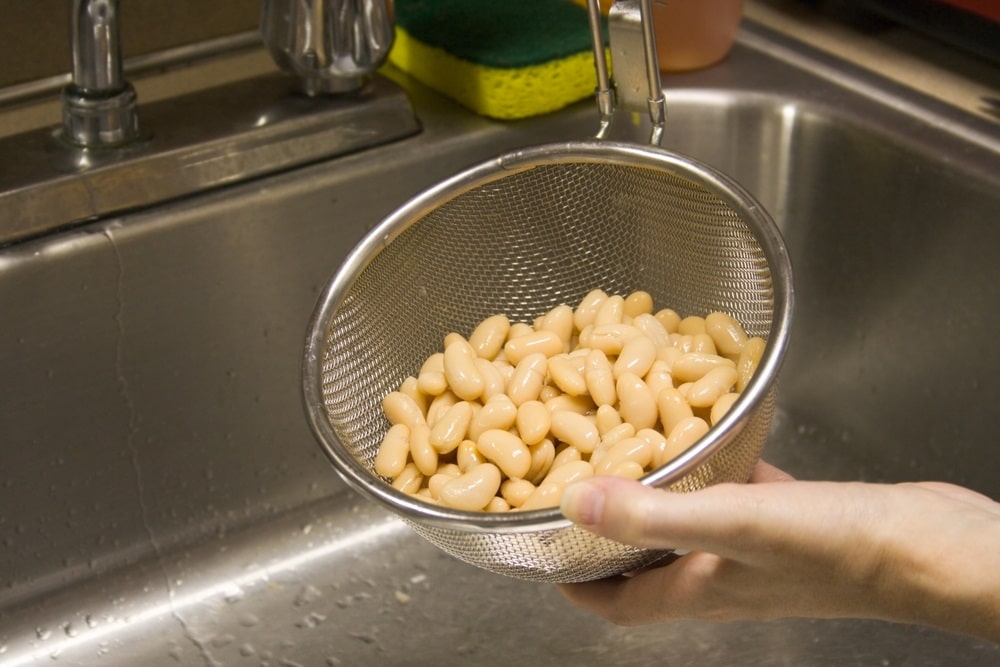 Do You Drain Beans For Chili? Should You Or Not? - Miss Vickie
Instead, think about what you are adding. Are you using fire-roasted tomatoes? A splash of Worcestershire? A cinnamon stick? Those are the flavors you want to highlight. Draining the beans makes room for those stars to shine. It’s like clearing the stage so the lead singer doesn’t have to compete with a broken guitar.
The One Exception (There’s Always One)
I will say this—if you are making a vegetarian or vegan chili, and you want extra body, some people add a little of the bean liquid as a thickener. It’s called "aquafaba" by fancy cooks, and it can work. But even then, you drain the beans first, then add the liquid back slowly. You don’t just dump the whole can in like a barbarian. Yes, I called you a barbarian if you do that. I’m sorry. Sort of.
Don’t be that person who ruins a beautiful batch of chili because you were too lazy to hold a colander for fifteen seconds. Your chili will be richer, darker, and more concentrated. You’ll taste the fire-roasted peppers, the cumin, the subtle heat—not just a mouthful of canned salt.
The Final Spoonful
So what did I do with Uncle Louie? I drained the beans, rinsed them like a champ, and then he handed me a bottle of dark beer to add instead. The chili came out legendary—thick, smoky, and so hearty it could stand up a spoon. He looked at me and grinned, “See? You gotta show the beans who’s boss.”
Here’s your takeaway: next time you make chili, treat the bean can like a tool, not a boss. Drain it. Rinse it. Then season your water yourself. Your taste buds will high-five you, and your chili will finally get the respect it deserves. Now go make some chili, and stop being lazy about it.