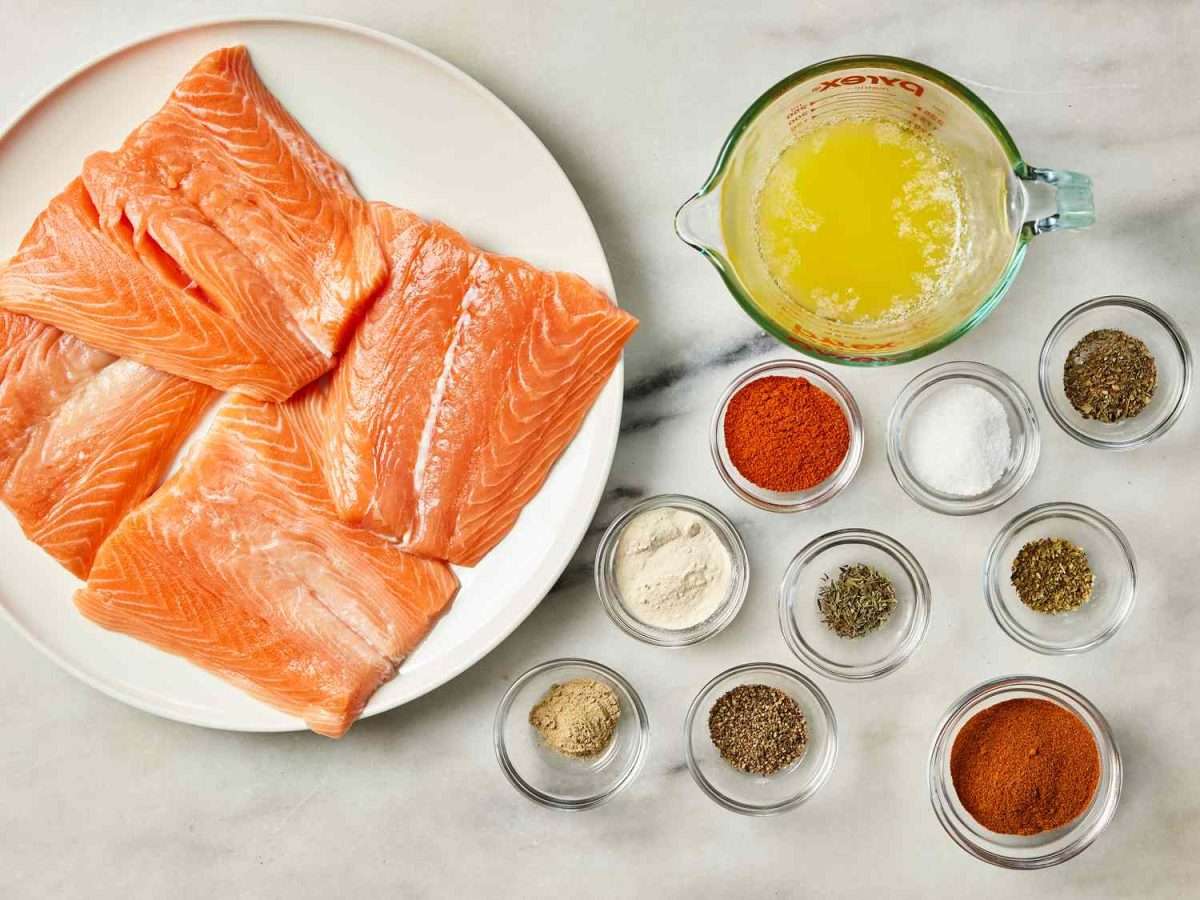
You’re standing at the counter, a beautiful fillet of salmon in front of you. The olive oil is out, the salt and pepper are ready. But a little voice whispers: Both sides? It’s the kind of question that feels strangely big for a Tuesday night. I’m here to tell you: yes, you absolutely should season both sides.
Think of it like this. You wouldn’t put sunscreen on just one arm and head to the beach. That arm would get crispy, and the other would stay pale and confused. Your salmon fillet feels the same way. The side that touches the hot pan gets a golden, salty crust, while the top stays bland if you ignore it.
The Skin Thing
I know the skin side seems like it has its own personality. You might think, “The skin is tough, why bother?” But trust me, the skin is the best part of the party. It holds the fat and flavor, and it deserves a good sprinkle of salt and pepper to get that shatteringly crisp texture.
Must Read
If you skip seasoning the skin, you’ll end up with a rubbery, sad flap that feels like an afterthought. Seasoned skin, however, becomes a salty, crunchy chip that you’ll fight your family over. That’s the kind of dinner drama we can get behind.
The flesh side is the star. A pinch of salt brings out the natural sweetness, and a crack of pepper adds a little kick. Without it, the flesh tastes like a wet blanket of fish, which is not the vibe you want.
It’s Not Just Salt and Pepper
Don’t think this is only about the basic duo. Whether you’re using garlic powder, paprika, or a sprinkle of dill, the rule stays the same. Rub that spice mix into both sides like you’re giving the salmon a tiny, delicious massage.
I once forgot to season the bottom of a lemon-herb salmon. The top looked gorgeous, like a magazine cover. The bottom? It was just pale, sad fish. My husband took one bite and said, “Is one half… disappointed?” He wasn’t wrong.
Here’s a hack: season the skin side first, then flip it and season the flesh. It keeps your hands from getting too messy and ensures even coverage. Bonus points if you let it sit for ten minutes—the salt will do its magic and make the flesh extra flaky.
 The Best Way To Season Salmon For The Oven
The Real-World Test
Picture this: you’ve cooked the salmon perfectly. It flakes with a fork, the skin crackles when you bite it. Every single bite is balanced—salty, savory, and just a little rich. That’s the power of a two-sided approach.
Now picture the alternative: you bite into a piece that’s perfectly cooked on the outside, but the inside tastes like nothing. You reach for extra lemon or a pinch of finishing salt, which feels like a last-minute apology. Just season both sides and avoid the apology dinner.
I used to be a one-side-seasoner in my twenties. I thought I was being efficient. But then I realized I was just leaving half my flavor in the drawer. It’s an easy fix, and it makes you look like a kitchen wizard with zero extra effort.
But What About the Non-Stick Pan?
Some folks worry the seasonings will burn in the pan. Here’s the secret: pat the salmon dry with a paper towel before seasoning. Dry skin equals crispy skin, and the seasonings will stick without scorching.
If you use a little high-heat oil like avocado or grapeseed, the spices won’t burn. They’ll just toast gently, adding a nutty, savory layer. It’s like toasting a bun for a burger—a small step that makes all the difference.
Another fear: oversalting. Use a light, even hand on both sides, and you’ll be fine. The skin can handle a little more salt because it gets crispy and releases some into the pan. It’s a team effort in there.
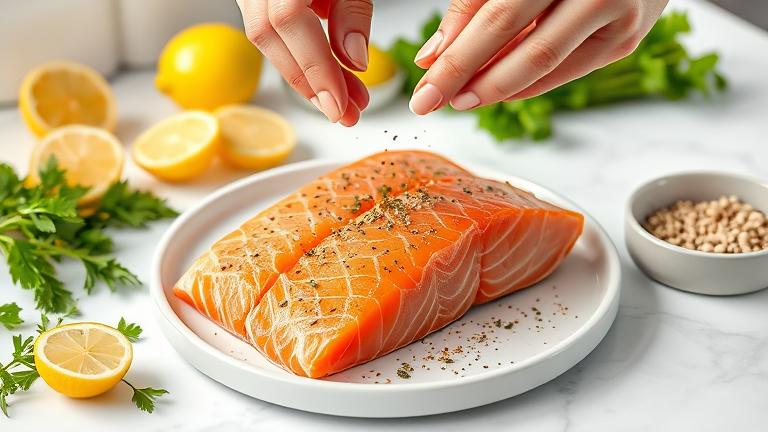 how to season and cook salmon? - Test Food Kitchen
Why You Should Care
You care because you want dinner to be good. Not just edible, but the kind of good that makes your roommate or partner look up and say, “Whoa, what’s for dinner?” That moment is priceless, and it starts with a simple sprinkle.
You also care because life is too short for boring fish. We already have to deal with Monday mornings and traffic jams. Our salmon deserves a fighting chance at being memorable. Give it that chance.
Plus, it’s a confidence booster. Once you nail the two-sided seasoning, you’ll start doing it with chicken, pork chops, even tofu. You’ll become the seasoning person in your friend group—the one who always brings the perfectly browned dish to the potluck.
Final Little Story
Last week, I made salmon for a friend who “doesn’t really like fish.” I seasoned both sides, cooked it skin-side down until it was glass-like, and flipped it gently. She ate two servings. She asked what my secret was.
I just smiled and said, “I season both sides, and I don’t overthink it.” That’s the whole thing. It’s not about being a chef. It’s about being the person who remembers the bottom of the fish.
So go ahead. Flip that fillet. Give the bottom a little love. Your taste buds—and your dinner guests—will thank you. And if anyone asks why you’re seasoning both sides, just tell them the sunscreen analogy. They’ll get it.