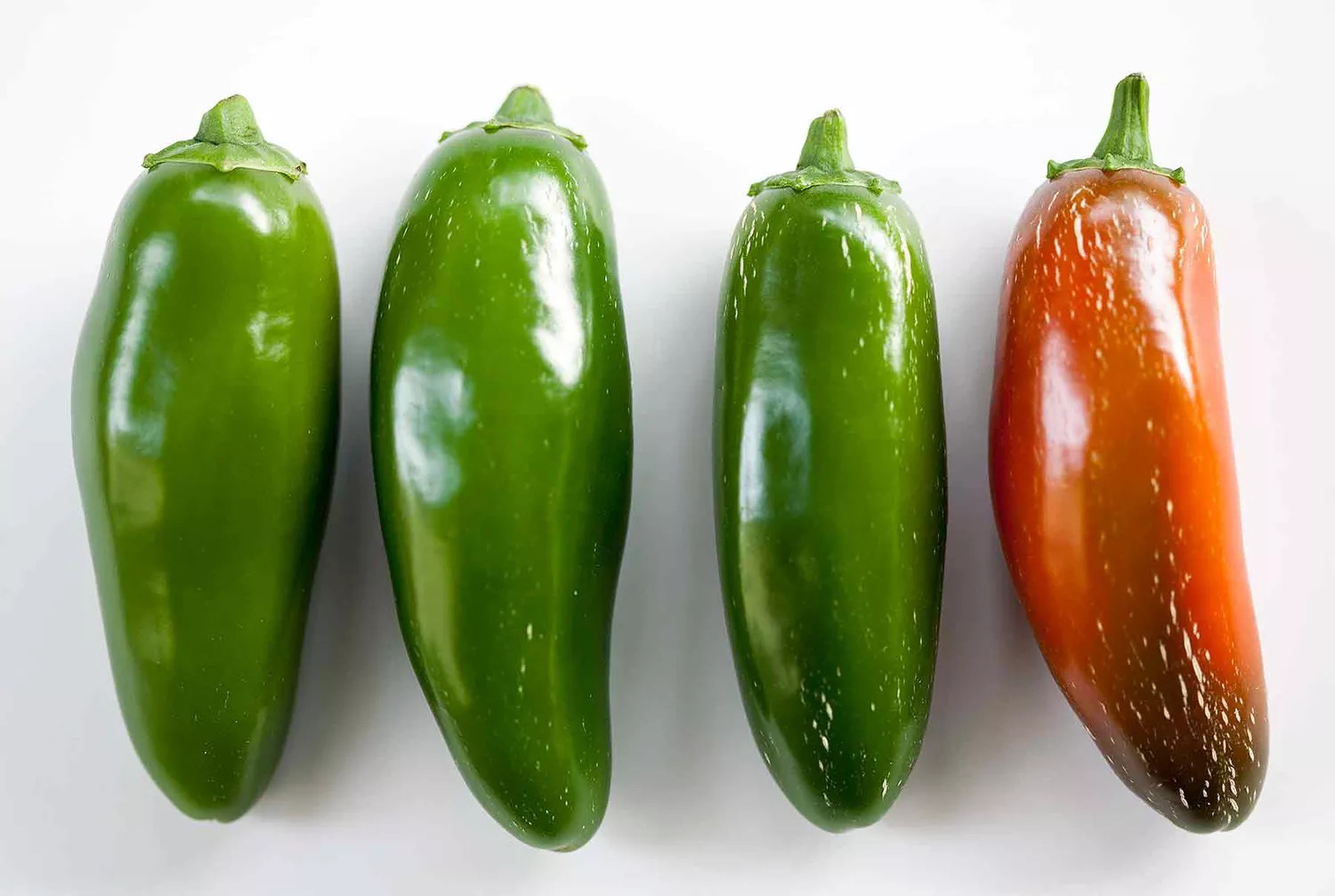
So there I was, last Taco Tuesday, chopping a mountain of jalapeños for my famous (okay, my only) salsa. I popped a raw sliver into my mouth. Mistake. The heat hit me like a freight train—eyes watering, nose running, reaching frantically for milk I didn’t have. My roommate, a self-proclaimed “spice wizard,” just laughed and said, “Dude, just cook them next time. It kills the heat.”
That got me thinking. Does cooking jalapeños actually make them less hot? It’s one of those kitchen myths we all nod along to, but is it true? Or is it just a polite way to tell a bad cook their chili is still screaming? Let’s dive into the science (and the sizzle).
The Fiery Science Behind That Burn
First, let’s talk about what makes jalapeños hot in the first place: capsaicin. That’s the oily, pungent compound that binds to pain receptors in your mouth and tricks your brain into thinking you’re on fire. (Thanks, evolution.)
Capsaicin is actually surprisingly stable. It doesn’t just vanish because you turned on the stove. Heat alone doesn’t destroy it—at least, not at the temperatures you’d normally cook a pepper. You’d need to hit around 400°F (200°C) or higher to start breaking it down chemically. Most of us aren’t roasting peppers in a blast furnace.
So, the short answer? No, cooking doesn’t make jalapeños less hot in the way you’d hope. But—and this is the big “but”—it can change the experience of the heat. And that’s where the trick lies.
What Cooking Actually Does to the Heat
When you cook a jalapeño, you’re not nuking the capsaicin. Instead, you’re transforming the pepper itself. The water inside evaporates, the cell walls break down, and the capsaicin gets redistributed. In a roasted pepper, the heat can become more even and mellow because the oils spread out.
But here’s a sneaky surprise: cooking can actually concentrate the heat. If you roast or grill a jalapeño, you’re driving off water, making the pepper denser. The capsaicin stays behind, so you end up with a smaller, more potent little firebomb. Ever bitten into a charred pepper and felt your soul leave your body? That’s why.
Boiling is a different story. If you boil jalapeños in water, some capsaicin does leach out into the liquid (because it’s slightly water-soluble, especially if the water is acidic). But most of it stays locked in the pepper’s flesh. You’d have to boil them for a long time to get a real reduction in heat—and then you’re just eating sad, mushy peppers.
The Texture and Flavor Switcheroo
Here’s the part that feels like a magic trick: cooking changes how your mouth perceives heat. A raw jalapeño has a sharp, immediate sting. Cook it, and the heat often turns into a slower, deeper warmth that builds. Your brain interprets that differently—less “eek!” and more “mmm.”
The flavor also shifts. Raw jalapeños are grassy and sharp. Roasted ones become smoky, sweet, and almost chocolaty. That sweetness can completely distract you from the spice. You think, “Hey, this is milder!” when really, your mouth is just busy tasting caramelized pepper goodness. It’s a delicious trick.
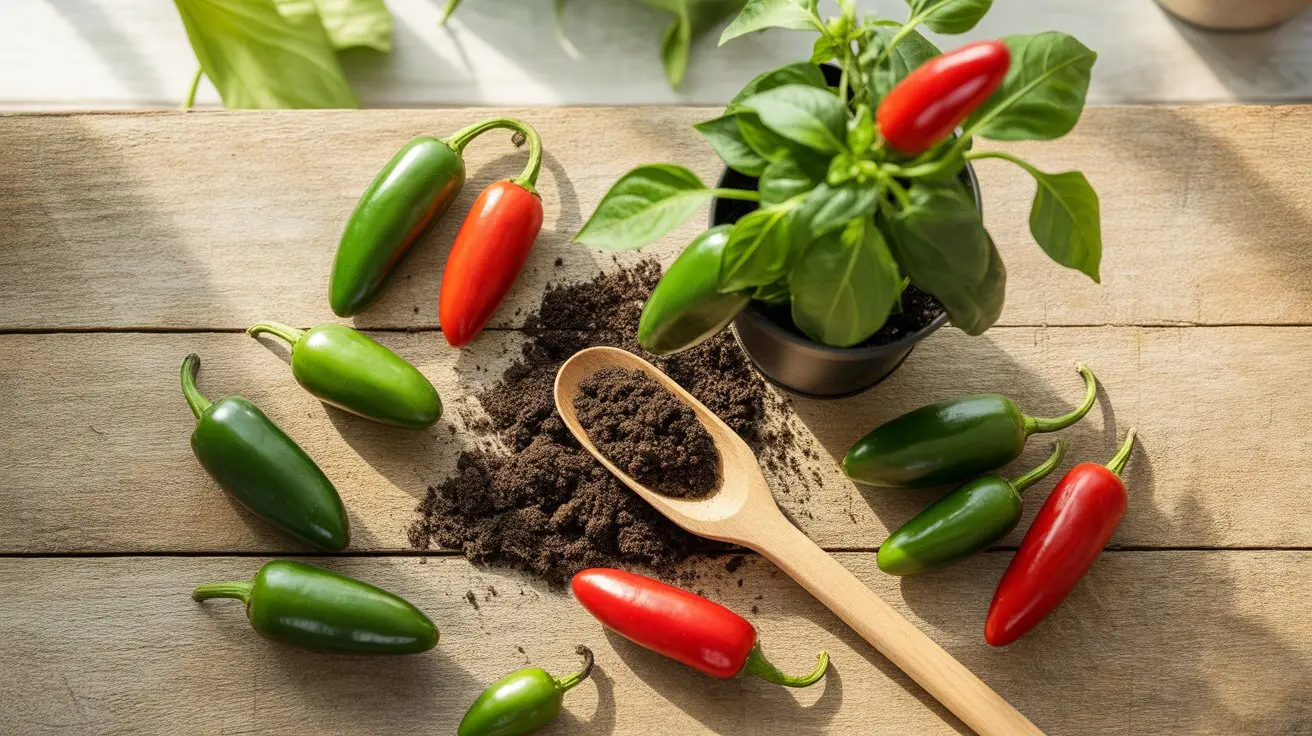 Does Cooking Peppers Make Them Hotter? Heat and Flavor
And let’s be real: most people cook jalapeños in a dish with other ingredients. Think salsa, chili, or stir-fries. The capsaicin gets diluted among tons of tomatoes, onions, beans, or rice. So the dish feels less hot, even if the pepper itself hasn’t changed much. It’s a numbers game, not a miracle.
Should You Still Cook Jalapeños to Tame the Heat?
Absolutely, yes—if you know what you’re doing. If you want less heat, don’t blast the pepper alone. Instead, cook it in a big pot of liquid (like a soup or a sauce) where the capsaicin can spread out. And for heaven’s sake, remove the seeds and membranes first. That’s where most of the heat lives.
If you want more heat (hello, spicy food lovers), char or dry-roast the jalapeños whole. That concentrates the capsaicin and amplifies the burn, while adding that gorgeous smoky flavor. You’ll thank me later—maybe with a glass of milk.
The Final Sizzle: Yes, No, Maybe?
So, back to my roommate’s advice. Was he wrong? Kinda. Cooking jalapeños doesn’t “kill the heat”—it just changes the stage on which the fire performs. For the average taco night, that’s good enough. You might get a milder bite, but it’s mostly the flavor and texture doing the heavy lifting.
If you want a genuinely less spicy pepper, your best bet is to pick younger, smaller jalapeños (they’re milder) or remove the inner ribs. Or just buy poblano peppers, which are basically jalapeños’ chill cousins. But where’s the fun in that? (Said the person still sweating from a raw sliver.)
Next time you’re cooking jalapeños, remember: you’re not a chemist, you’re a chef. Embrace the heat. Play with it. And if it’s too hot, just reach for that milk—it’s the only reliable antidote. Trust me, I have experience.
Now go forth and cook fearlessly. Your taste buds will thank you—maybe even after a few tears.