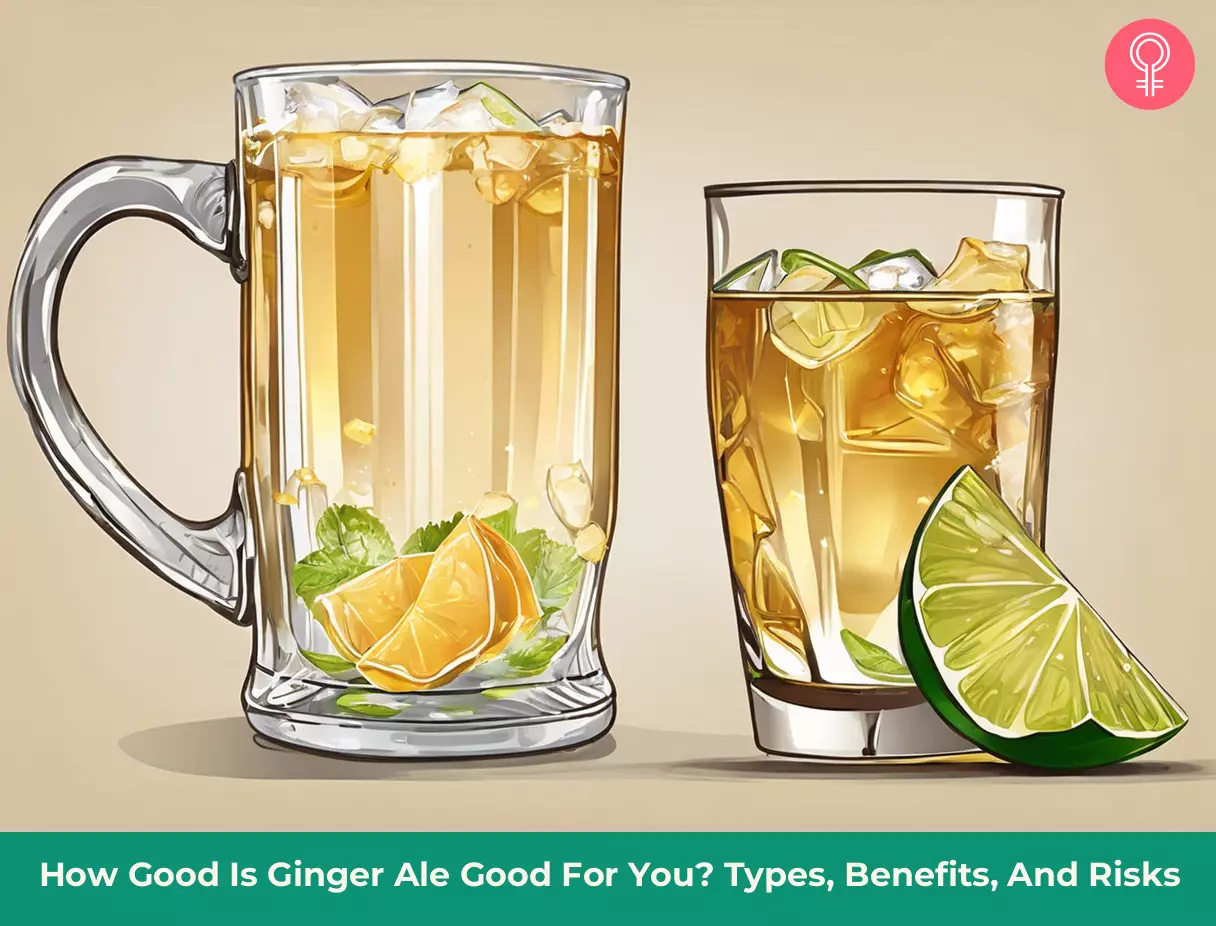
You’re curled up on the couch, a box of tissues in one hand and a bottle of ginger ale in the other. It’s a classic sick-day scene, almost as comforting as your grandmother’s voice telling you to sip it slowly. But does that fizzy, sweet drink actually help you fight the flu, or is it just a nostalgic placebo? Let’s pop the cap on this question with a mix of science, culture, and a little bit of pantry magic.
The Fizz Factor: What’s Actually in Your Glass?
Ginger ale, at its core, is carbonated water, sugar, and natural or artificial ginger flavoring. The real star—ginger root—has been used for centuries in traditional medicine, particularly for its anti-inflammatory and anti-nausea properties. Studies suggest that compounds like gingerol and shogaol can indeed calm an upset stomach, which is a common flu companion.
But here’s the twist: commercial ginger ale often contains very little real ginger. Many brands use high-fructose corn syrup and a whisper of flavoring, making them closer to soda than a medicinal tonic. So, while the ginger itself is helpful, the average can of Canada Dry is more about comfort than a cure.
Must Read
That said, the carbonation and sugar can provide a quick energy boost when you’re feeling drained. Your body, fighting a virus, needs calories, and a gentle sip can settle a queasy stomach better than plain water for some people. It’s not the ginger alone—it’s the whole ritual.
A Cultural and Pop Culture Sip
Think about every movie where a character hands a sick friend a glass of ginger ale with a straw. It’s a cultural shorthand for “I care about you.” This is no accident; ginger ale rose to fame in the 19th century as a “temperance drink” in bars and a home remedy for digestion. In many households, it’s still the first thing offered when a fever hits, right next to chicken soup.
Fun fact: Ireland is the world’s biggest consumer of ginger ale per capita, especially the dry, spicy version (like Barritt’s or Fentimans). In Japanese culture, ginger is often grated into hot tea with honey—a trend that’s a direct relative of our fizzy habit. Globally, the idea that ginger fights illness is universal, but the delivery system (bubbly vs. hot) varies wildly.
The Science vs. The Sore Throat
Let’s get practical: can ginger ale reduce flu symptoms? According to a 2013 study on ginger’s effects on nausea, yes, ginger can help with vomiting and stomach distress. However, the flu is a respiratory illness, not just a stomach bug. Ginger’s anti-inflammatory properties might soothe a sore throat, but it won’t kill the influenza virus.
 What Ginger Ale Actually Helps With (Science-Backed Uses)
The sugar in ginger ale is actually a double-edged sword. While it offers temporary energy, too much can suppress your immune system’s white blood cells for up to five hours. So, sipping a whole 12-ounce can might give you a fleeting lift, but it could also slow down your body’s fight. Moderation, as always, is key.
Practical Tips: How to Use Ginger Ale Actually Wisely
Go for the “real” stuff first. Look for brands that list ginger root as an ingredient, not just “natural flavors.” Reed’s, Fever-Tree, or a local craft ginger beer (with lower sugar) are far more potent. Or, make your own: grate fresh ginger, boil it with water, add honey and a splash of club soda. It’s a game-changer.
Use it as a palate cleanser, not a hydration source. Your body needs electrolyte-rich fluids when you’re sick—think coconut water or broth. Ginger ale should be a treat, a five-minute sip to calm your stomach, then switch to water. Keep the can ice-cold to maximize the numbing effect on your throat.
Pair it with protein and rest. If you sip ginger ale, have a cracker or a hard-boiled egg nearby. Carbs alone spike your blood sugar, but fat or protein helps sustain energy. The perfect sick-day snack? Toast with butter and a small glass of ginger ale. It’s retro, yes, but it works.
 Ginger Ale Is Healthy
The Comfort Connection
Ultimately, the psychological power of ginger ale is underrated. When you’re sick, your brain craves familiarity and comfort. The fizz, the slightly spicy aftertaste, the way the bubbles tickle your nose—it’s a tiny ritual that says “this will pass.” Placebo or not, that matters.
I remember my mother bringing me a glass with a single ice cube and a curly straw. She’d say, “Drink this, then nap.” And I always felt better—not because of the ginger, but because of the attention. In a world of high-tech medicine, sometimes a bubbly placebo is the best prescription.
So, does ginger ale help with the flu? Yes—but only as a supportive player. It won’t shorten your fever or kill the virus, but it can soothe your stomach, lift your spirits, and give you a moment of simple joy. Use it wisely, upgrade to real ginger when you can, and remember: the best cure is still rest, hydration, and a little bit of love.
Next time you reach for that green glass bottle, take a slow sip. Let the bubbles remind you that healing isn’t always about medicine—it’s about kindness in a glass. Whether it’s ginger ale, hot tea, or a hug, sometimes the simplest things are the most powerful. Stay cozy, stay hydrated, and trust your body’s quiet wisdom.