
So, you love shrimp, crab, and a buttery pile of lobster. But then the guilt creeps in, right? Is this decadent plate of crustaceans basically a ticket to Cholesterol City? Let’s spill the tea—or should I say, the drawn butter.
The Big, Scary Word: Cholesterol
First off, we need to talk about the elephant in the room. For decades, shellfish got a terrible reputation. People acted like slurping an oyster was the same as mainlining lard.
Here’s the twist: science has changed its mind. Like, a lot. The old idea that dietary cholesterol directly clogs your arteries? Yeah, that’s mostly been debunked. Your body actually makes most of your cholesterol on its own.
So, does that shrimp cocktail get a free pass? Not exactly—but it’s way more complicated than you think.
Shrimp: The Main Suspect
Shrimp is the poster child for this debate. It’s famously high in dietary cholesterol, with about 170 mg in a 3-ounce serving. That’s a lot compared to, say, a sad piece of chicken breast.
But here’s the kicker: shrimp is almost fat-free in terms of saturated fat. And saturated fat, not dietary cholesterol, is the real villain when it comes to raising your bad LDL. So shrimp is like that friend who looks sketchy but turns out to be a total sweetheart.
Studies actually show that eating shrimp can raise your good HDL while barely touching your LDL. Imagine that—your guilty pleasure might actually be helping you.
What About Lobster and Crab?
Lobster is basically the rockstar of the shellfish world. It also has cholesterol, but again, it’s low in saturated fat. You’d have to eat a ridiculous amount of lobster to cause a problem.
 Which seafood has the most cholesterol? - canyousubstitute.com
And crab? Same deal. It’s lean protein wrapped in a shell. The real danger here isn’t the crab itself—it’s the bucket of melted butter you’re dunking it in. Butter is loaded with saturated fat. So, blame the butter, not the bug.
Let’s be real: if you’re eating a whole lobster with garlic butter and a side of fries, the cholesterol is the least of your worries. The calories and carbs are doing the heavy lifting.
Mussels, Clams, and Oysters: The Underdogs
These little guys are the healthiest of the bunch. They’re low in total fat and packed with omega-3 fatty acids. Omega-3s are basically heart-healthy superheroes.
Oysters are even a good source of zinc and vitamin B12. They’re like nature’s multivitamin, but they taste like the sea. So go ahead, order that dozen raw—your heart probably won’t complain.
The only risk? If you have a specific genetic condition like familial hypercholesterolemia. But for the average person? Shellfish is a net positive.
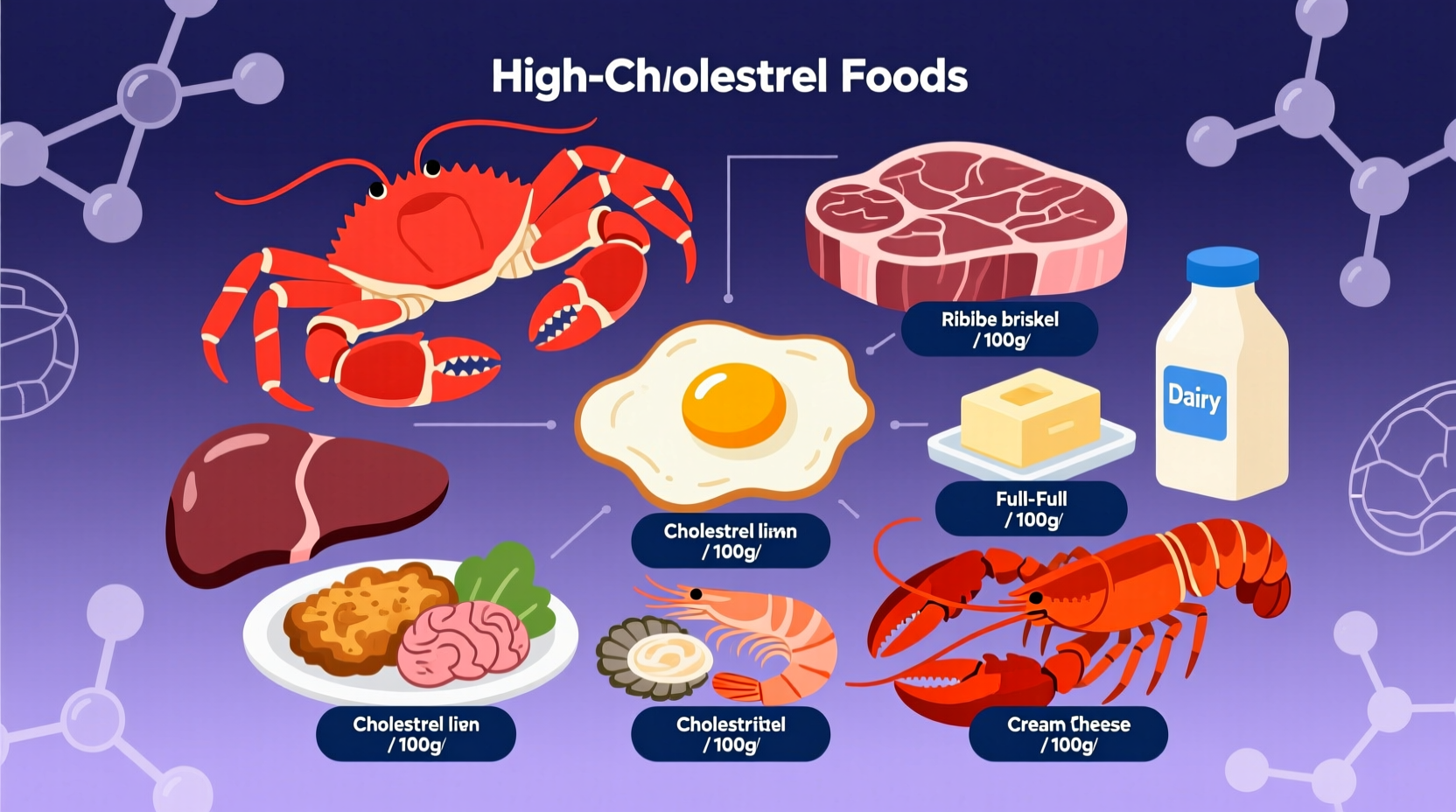 High Cholesterol Foods: Science-Based Dietary Guide
So, Should You Worry?
Honestly, unless you’re eating a bucket of shrimp every single day, you’re fine. The real health risks come from how you prepare them. Fried calamari? That’s a different story. Batter and oil will do more damage than the squid ever could.
Here’s a pro tip: steam, boil, or grill your shellfish. Avoid the breading and the heavy cream sauces. If you’re worried about cholesterol, swap the butter for a squeeze of lemon or a splash of hot sauce.
And for the love of all that is briny, don’t eat it with a side of bacon. That’s just chaotic.
The Bottom Line (Finally)
Shellfish can raise your cholesterol numbers slightly, but mostly in a neutral way. It doesn’t trigger the same harmful response as red meat or processed foods. Your body is smarter than a scare headline from 1992.
So go ahead. Dig into that lobster roll. Slurp those oysters. Just keep the butter in check and maybe don’t make it a nightly ritual. Your lipid panel will thank you, and your taste buds will throw a party.
Now, pass the cocktail sauce.