
So you’re sipping your morning coffee, scrolling through your phone, and suddenly you hear it: the unmistakable, wet hork-hork-hork sound from the corner of the room. You look over, and there it is—a little puddle of foamy white stuff. Your dog looks up at you with those big, guilty eyes, as if to say, “I… I can explain.” Don’t panic. You’re not alone, and neither is your pup.
What is that foamy white stuff, anyway?
Think of it like this: you know when you shake a bottle of soda too hard and it comes out all frothy? That’s basically what’s happening in your dog’s tummy. The foam is usually a mix of stomach acid, bile, and a little bit of saliva that got churned up into a bubbly mess.
It’s often white because there’s no food in there to give it color. Just imagine your own stomach feeling empty and sour—that’s a lot of what’s going on here. The good news? Most of the time, it’s not an emergency. It’s more like your dog’s way of saying, “Hey, I’m a little off today.”
Must Read
Everyday reasons your dog might throw up foam
Let’s start with the most common culprit: an empty stomach. You know that grumbly, gassy feeling you get when you skip breakfast? Dogs feel that too. If your pup’s belly has been empty for too long, acid builds up and can trigger that foamy throw-up.
Another classic is eating too fast. Picture your dog inhaling breakfast like it’s the last meal on earth—then five minutes later, up comes that foam. It’s basically a burp gone rogue. Or maybe your dog snuck a mouthful of grass in the backyard. Grass is a natural “tummy cleanser” for dogs, and it can stir up all that foam.
Even excitement or stress can do it. Remember that time you were so nervous before a big meeting that your stomach did flip-flops? Dogs get that too—especially before a car ride or a vet visit.
When to smile and when to take a deep breath
Here’s the rule of thumb: if your dog throws up foam once, then acts completely normal—wagging tail, ready for a walk, begging for treats—you can probably smile and clean it up with a paper towel. Offer some water and maybe hold off on meals for a few hours to let their tummy settle.
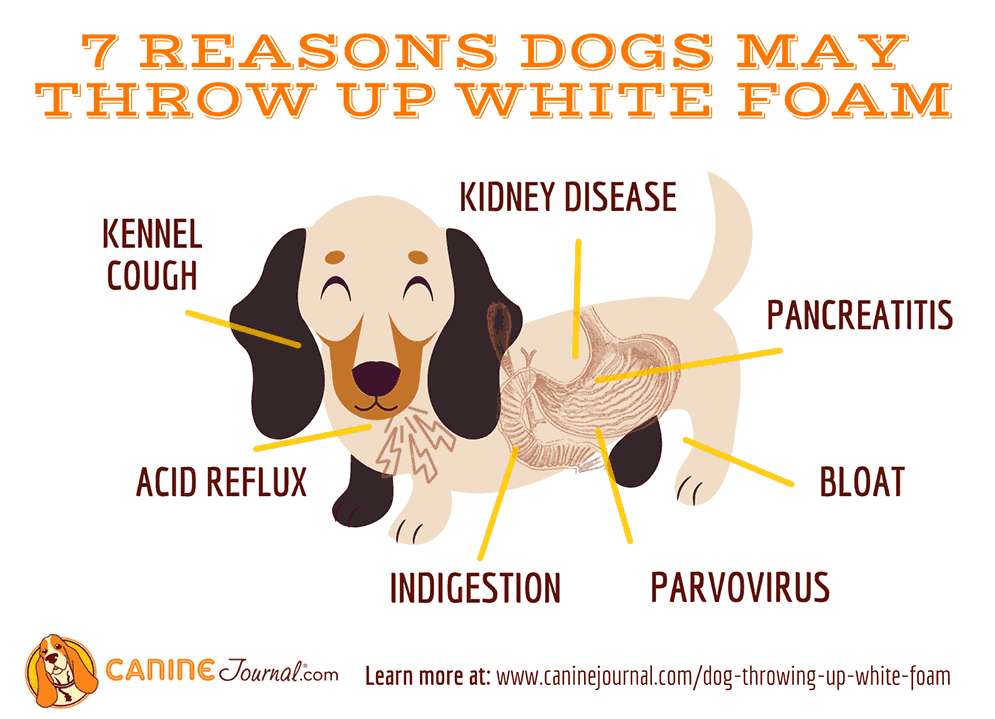 My Dog Is Throwing Up White Foam: Do I Need To Worry?
But if the foamy throw-up happens more than once in a few hours, or if it’s paired with things like lethargy (they won’t get up for a belly rub), diarrhea, or a loss of appetite, then it’s time to take a deep breath and call the vet. Imagine you ate something bad—if you kept vomiting and felt weak, you’d go to the doctor. Same deal for Fido.
A little story to make you smile
My neighbor’s golden retriever, Daisy, once threw up foam right in the middle of a birthday party. Everyone froze. The dog then wagged her tail, licked the foam off the floor (gross, I know), and went back to begging for cake. Turned out she’d just stolen a piece of spicy sausage from the grill. The vet said it was nothing serious—just a spicy tummy protest.
Another friend’s pug, Bruce, does this every time he’s denied a second breakfast. He’ll park himself by his bowl, let out a dramatic sigh, and then—poof—a little puddle of foam. The vet calls it “sour stomach syndrome.” The fix? Splitting his meals into smaller, more frequent portions. Now Bruce is foam-free and happy as a clam.
What you can do to help (without becoming a full-time vet)
First, don’t try to diagnose on WebMD. You’ll end up convinced your dog has a rare disease from the Swiss Alps. Instead, watch the pattern. If the foam always happens first thing in the morning, try feeding a small bedtime snack to keep their stomach comfortable through the night.
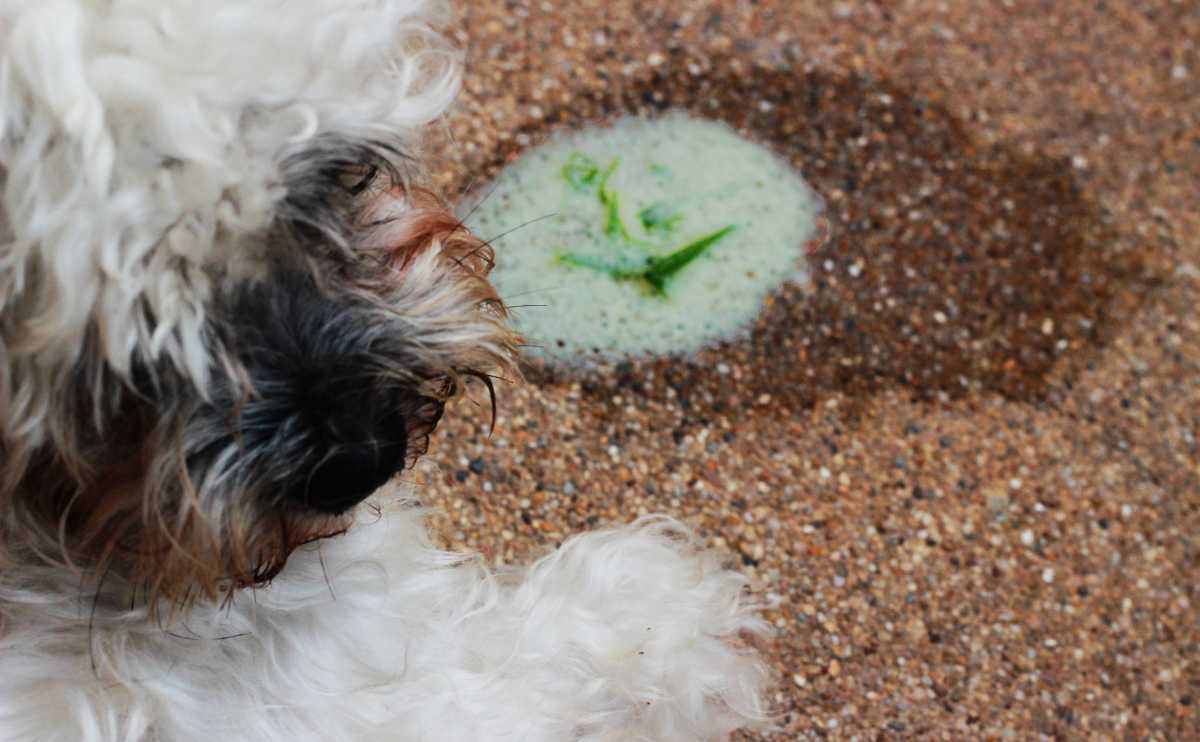 Dog Throwing Up Clear Mucus – Dog Coughing and Gagging Clear Phlegm
Second, hydrate. Offer small amounts of water, or even a few ice cubes to lick. If they’re still throwing up, wait an hour before trying again. You can also give a plain, bland diet for a day—think boiled chicken and rice. It’s like the human equivalent of toast and ginger ale.
Third, and this is the fun part: become a detective. Did they eat something weird? Did they gulp down water after a hard run? Did they eat too fast because the cat glared at them? Uncovering the “why” is half the battle—and it usually ends with a laugh and a “silly dog” moment.
When you should actually worry (and why it’s okay to care)
You should care because that foamy white stuff could sometimes be a red flag. If the foam is yellow-green, that’s bile, which might mean a more serious empty-stomach issue. If it’s pink or red-tinged, that’s blood, and you need a vet today. Also, if your dog is trying to throw up but nothing comes out (dry heaving), that can be a sign of bloat—a life-threatening emergency. But here’s the warm part: most pets never get to that level.
You’re already a great pet parent simply because you’re reading this. You care. And that care is what keeps your dog happy, healthy, and full of wags—even when they leave a little foam puddle on your favorite rug. So next time you hear that familiar sound, take a breath, smile, and remember: it’s just your dog’s way of being a little too dramatic.
Now go give your pup a scratch behind the ears. They’ve probably already forgotten about the whole thing.