
Let’s be honest—when you hear the words “E. coli,” your brain probably jumps straight to scary headlines about contaminated lettuce or dodgy burger meat. It sounds like a villain from a sci-fi movie, right? But here’s the thing: this little bacterium is actually a lot like that one friend who’s fine in small doses but turns into a nightmare if you let them run wild.
Most strains of Escherichia coli are harmless, even helpful, living quietly in your gut like a good neighbor. But some strains—like the infamous O157:H7—can make you seriously sick. So how do we keep the bad ones from crashing our party? Temperature. It’s the unsung hero of your kitchen.
Why Temperature Matters (And Not Just for Your Coffee)
Think of E. coli as a fussy houseplant. It thrives in cozy, warm environments—right around body temperature (98.6°F or 37°C). Your fridge, on the other hand, is like a winter vacation that E. coli hates.
When you keep your fridge below 40°F (4°C), you’re basically putting these bacteria into a deep, sluggish sleep. They stop multiplying. They can’t party. It’s not that they die—they just become too cold and tired to cause trouble.
Now, here’s where the real magic happens: heat. E. coli is a bit like a snowman in July. Crank the temperature high enough, and it simply melts away.
The “Golden Number” You Need to Know: 165°F (74°C)
If you remember one number from this whole chat, let it be 165°F. That’s the internal temperature where E. coli gets a one-way ticket to oblivion. At this heat, the bacteria’s proteins unravel, its cell walls burst, and it’s done—kaput.
Think of it like boiling an egg. You can’t “unboil” it, and you can’t “un-kill” E. coli once it’s hit that temp. So when you cook your ground beef, chicken, or even that leftover casserole, always check with a meat thermometer. It’s not fancy—it’s your safety wand.
Real Life, Real Easy: Stories from the Kitchen
Picture this: It’s Tuesday night. You’re making burgers. You flop the patties onto the grill, and after a few minutes, they look brown on the outside. You think, “Looks good enough!” But looks can be deceiving. That brown crust isn’t a guarantee.
E. coli loves hiding in the center of a thick patty. The only way to know you’ve kicked it out is with a thermometer. One quick poke, and if it reads 160°F (for ground beef—the USDA says 160°F because of fat content, but 165°F for poultry), you’re golden. No guesswork, no regrets.
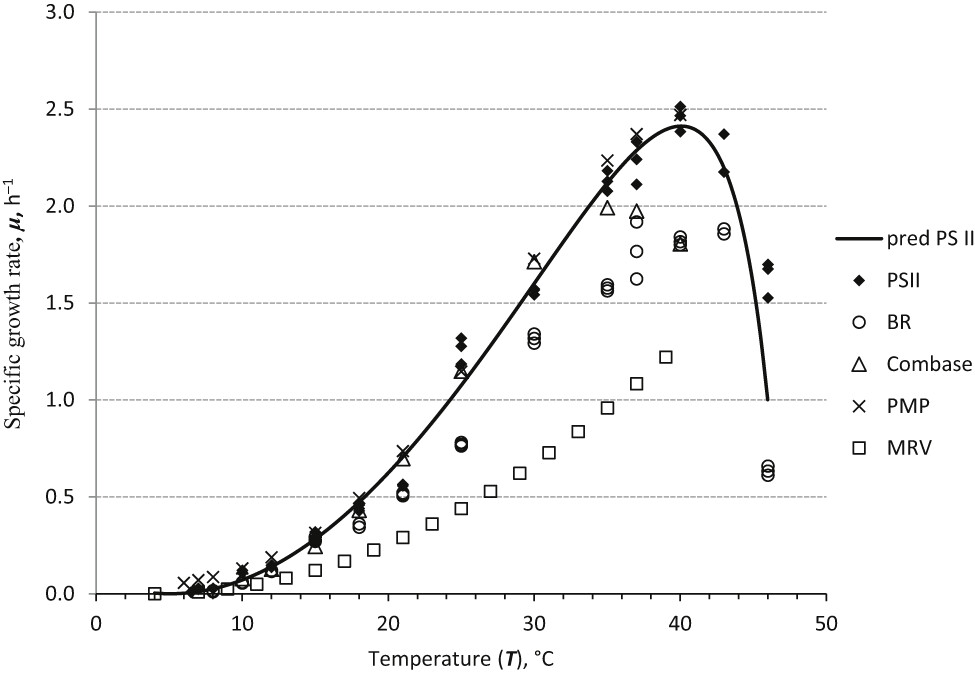
 Relationships between E. coli die-off rates and temperature estimated
Another everyday example: leftovers. You know that container of chili that’s been in the fridge for three days? You reheat it in the microwave until it’s “warm.” But “warm” is not the same as safe. Heat it until it’s steaming hot all the way through—at least 165°F. Your microwave might have cold spots, so stir it halfway through.
What About the Freezer? The Ultimate Chill Pill
Your freezer is like a magical time capsule. E. coli doesn’t die in the freezer, but it goes into a frozen hibernation. It’s like when you pause a video game—the bad guy is still there, but he can’t move.
The moment you thaw that steak on the counter, though? The bacteria wake up and start partying again. That’s why you should always thaw in the fridge or under cold running water, never on the counter at room temperature. Room temp is E. coli’s favorite dance floor.
Why You Should Really Care (Without Panicking)
Look, I’m not trying to scare you into wearing a hazmat suit while slicing tomatoes. E. coli is manageable. Most people bounce back from an infection with rest and fluids. But for kids, older adults, or anyone with a weaker immune system, it can be serious—kidney failure, hospital stays, real trouble.
By paying attention to temperature, you’re not being paranoid. You’re being kind. Your family, your friends, your future self—they all appreciate a meal that’s been handled with a little science.
Plus, it’s oddly satisfying. Knowing you’ve vanquished a microscopic enemy just by turning a dial or checking a thermometer? That’s power.
 Food temperature "danger zone" - is it really binary? - Seasoned Advice
A Quick Cheat Sheet for Your Fridge and Stove
Keep your fridge at or below 40°F. Get a cheap fridge thermometer—they’re like five bucks. Your freezer? 0°F is the goal.
When cooking, be a rebel: ignore the “looks done” rule. Use a thermometer for: burgers (160°F), chicken (165°F), whole cuts of beef or pork (145°F, then let rest). Reheat leftovers to 165°F. That’s it.
And remember the two-hour rule: don’t leave perishable food out at room temperature for more than two hours. If it’s a hot day (above 90°F), cut that down to one hour. Your picnic potato salad will thank you.
The Warm, Fuzzy Takeaway
E. coli is not your enemy—it’s just a guest that doesn’t know when to leave. By using temperature, you’re setting a house rule that keeps everyone safe. You don’t need a lab coat. You just need a thermometer and a little common sense.
So next time you’re grilling burgers or reheating last night’s pasta, give that thermometer a loving glance. You’re not just heating food. You’re protecting the people around your table. And that’s a superpower we can all get behind.
Stay cool (and hot). Cook wisely. You’ve got this.