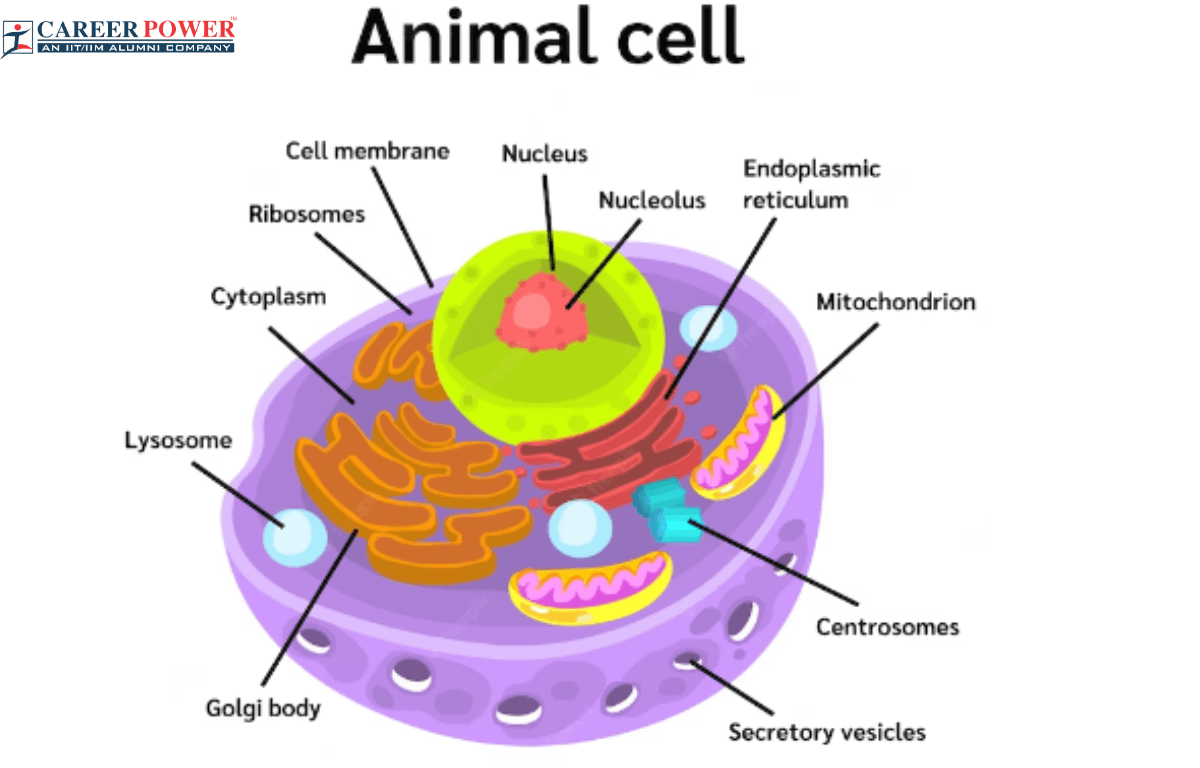
Alright, grab a snack—preferably something with glucose—because we’re about to take a tour of the animal cell. Think of it as the coziest, tiniest nightclub in the universe, and you’re on the guest list. No bouncer, no cover charge, just a whole lot of molecular dance moves.
First Stop: The Cell Membrane (The Velvet Rope)
Every cool club has a door policy, and the animal cell’s is a cell membrane. It’s a double layer of fat (yes, fat is fashionable here) that decides what gets in and what stays out. Think of it as a smart bouncer who lets in oxygen and glucose but kicks out toxins.
It’s also semi-permeable, which sounds fancy but just means “picky.” Water gets a VIP pass; big, clumsy proteins have to wait. Honestly, it’s the most polite gatekeeper in biology—unless you’re a virus. Then it’s a total jerk.
Inside the Cytoplasm: The Jell-O Dance Floor
Step inside, and you’re floating in cytoplasm, a jelly-like substance that’s part water, part protein, and 100% squishy. It’s like swimming in blue Jell-O, but without the sugar high. Everything floats around in here, bumping into each other like awkward party guests.
This isn’t just filler, though—it’s where chemical reactions happen. Think of it as the open floor plan of the cell, where organelles (the tiny organs) can mingle. If the cytoplasm were a dance floor, the mitochondria would be the DJ, and the ribosomes would be that one friend who keeps talking about work.
Meet the Nucleus: The Brainy Boss
Deep in the center sits the nucleus, the cell’s CEO, wearing a tiny suit and carrying a DNA briefcase. It’s a big, round organelle that stores all your genetic information—like a recipe book for making you, you. Inside, there’s a smaller spot called the nucleolus, which builds ribosomes. It’s the intern who does the paperwork.
The nucleus has a double membrane with pores, like a Wi-Fi signal that only sends mRNA messages. If the cell were a company, the nucleus would shout, “Make more insulin!” and everyone would scramble. Honestly, it’s a bit of a micromanager, but we love it.
Mitochondria: The Power Plant (and Drama Queen)
You’ve heard the line: “The mitochondria is the powerhouse of the cell.” True, but it’s also the drama queen. It takes glucose and oxygen, throws a tiny chemical rave, and produces ATP—the energy currency your body spends when you run, think, or binge-watch Netflix.
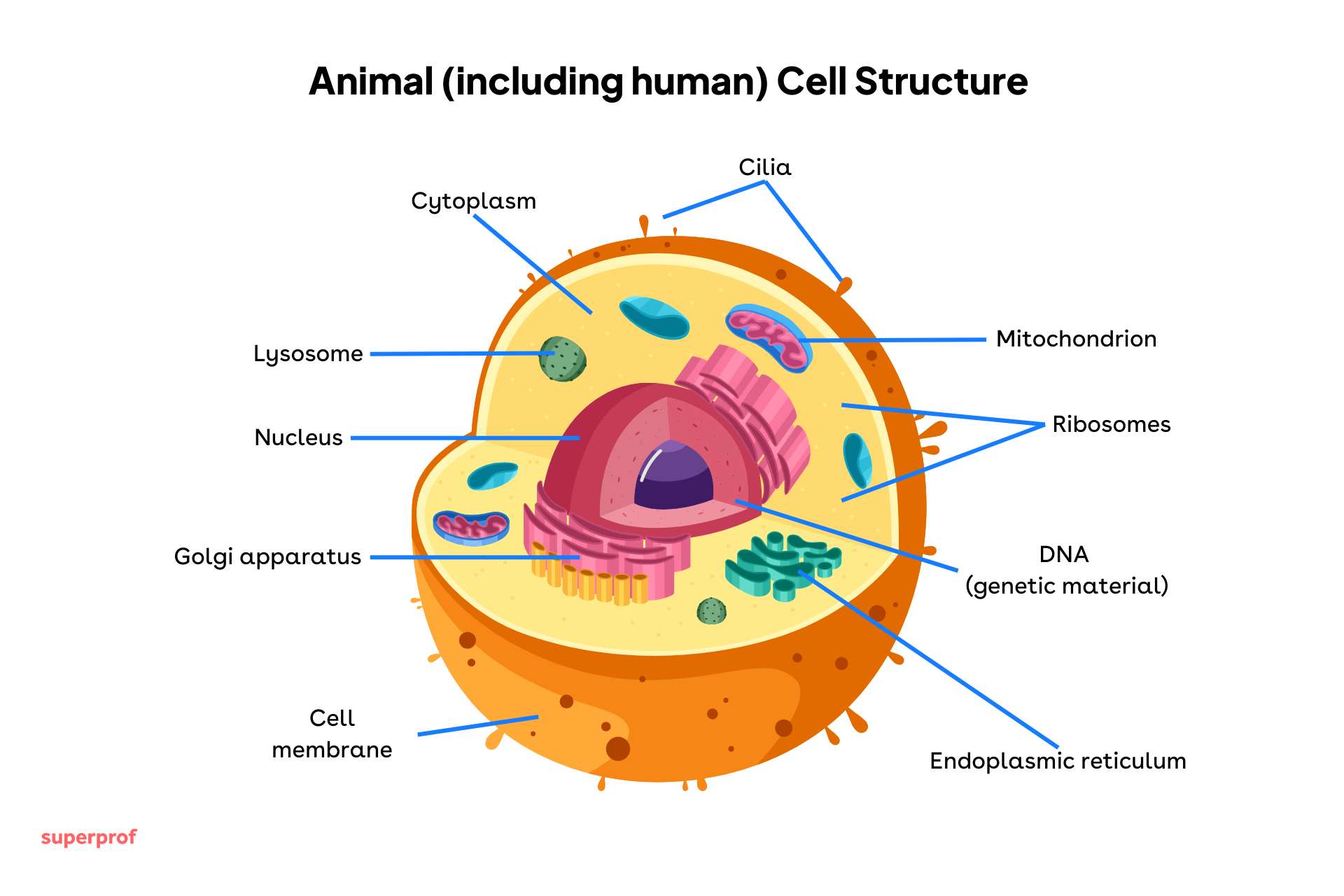 Animal Cell Structure And Plant Cell Structure
Mitochondria even have their own DNA, which is weird and awesome. It’s like they showed up to the party with their own playlist. Rumor has it they were once free-living bacteria that got invited inside a billion years ago and never left. Classic moochers.
Ribosomes: The Tiny Chefs
Ribosomes are tiny, bumbling chefs that read the nucleus’s recipes and cook up proteins. They’re either floating free in the cytoplasm or stuck to the Endoplasmic Reticulum (ER)—which sounds like a dinosaur but is really just a folded membrane. These little guys work nonstop, like short-order cooks at a 24-hour diner.
They link amino acids together, making everything from hair to enzymes. If mitochondria are the DJ, ribosomes are the ones serving protein pizza to the whole party. No tips, though—they don’t have pockets.
The Endoplasmic Reticulum: The Superhighway
The ER comes in two flavors: rough and smooth. Rough ER has ribosomes stuck to it, so it looks like a bumpy road. It folds and packages proteins, like a factory conveyor belt with tiny gift-wrapping elves. Smooth ER is, well, smooth—it makes lipids (fats) and detoxifies poisons. It’s the cell’s janitor and bartender rolled into one.
Think of the ER as a cellular highway where trucks (vesicles) carry cargo from one organelle to another. Traffic jams here lead to hangry cells, so let’s hope the GPS works.
Golgi Apparatus: The Shipping Department
After the ER makes proteins, they head to the Golgi apparatus, which looks like a stack of pita bread. This is the post office of the cell. It takes proteins, labels them, and sends them to the right address: “To the cell membrane, urgent,” or “To lysosome, handle with care.”
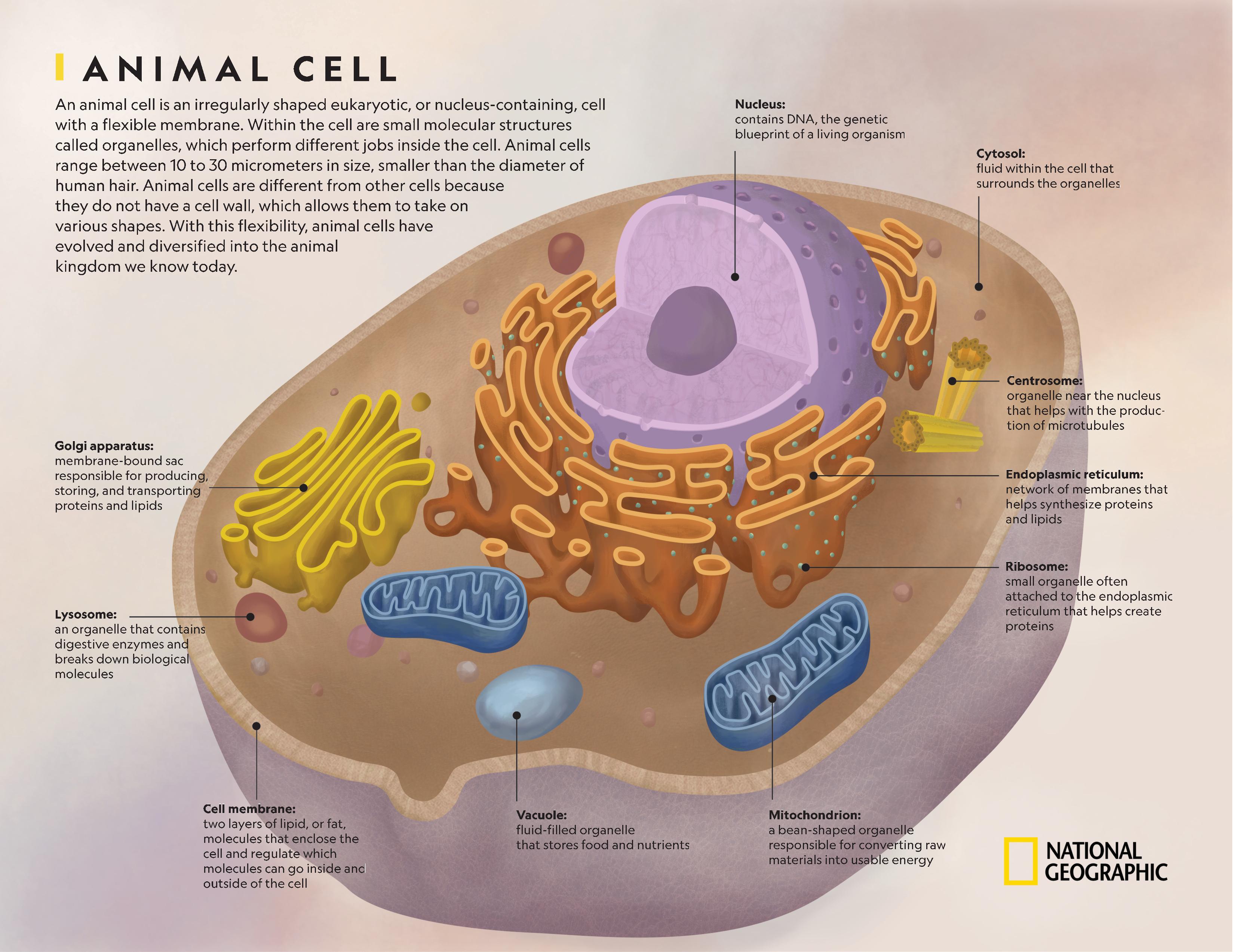 Animalia Cell Diagram
The Golgi also modifies proteins, adding sugar tags or snipping bits off. It’s like a tailor who turns a plain T-shirt into a sequined gown. Without Golgi, your cells would be wearing biological sweatpants forever.
Lysosomes and Vacuoles: The Cleanup Crew and Storage Unit
Lysosomes are the cell’s stomach—they’re filled with powerful enzymes that digest old organelles, broken proteins, and even invading bacteria. They’re basically tiny Pac-Men that gobble up garbage. But be careful: if a lysosome bursts, it digests the whole cell. Drama?
Vacuoles are storage bubbles, but animal cells have small ones (unlike plants with giant central vacuoles). They store water, nutrients, and extra junk. Think of them as molecular closets where you shove things you might need later, like that gym membership you’ll never use.
Final Throwback: Why All This Matters
So there you go—the animal cell is a bustling, blobby metropolis where every part has a job, from the bossy nucleus to the cleanup crew lysosomes. Next time you eat a cheeseburger, remember that billions of cells just worked overtime to digest it. Give them a mental high-five.
And hey, you are trillions of these tiny parties happening all at once, right now. Your cells are dancing, communicating, repairing, and dreaming. They’re doing their best, even when you’re just sitting on the couch. So be kind to them—less sugar, more sleep, and maybe a little jog. But also, know this: you are a walking, talking miracle of molecular cooperation. And that’s pretty darn cool.
So go ahead, smile at your own cells. They’re totally smiling back. (They don’t have mouths, but it’s the thought that counts.)