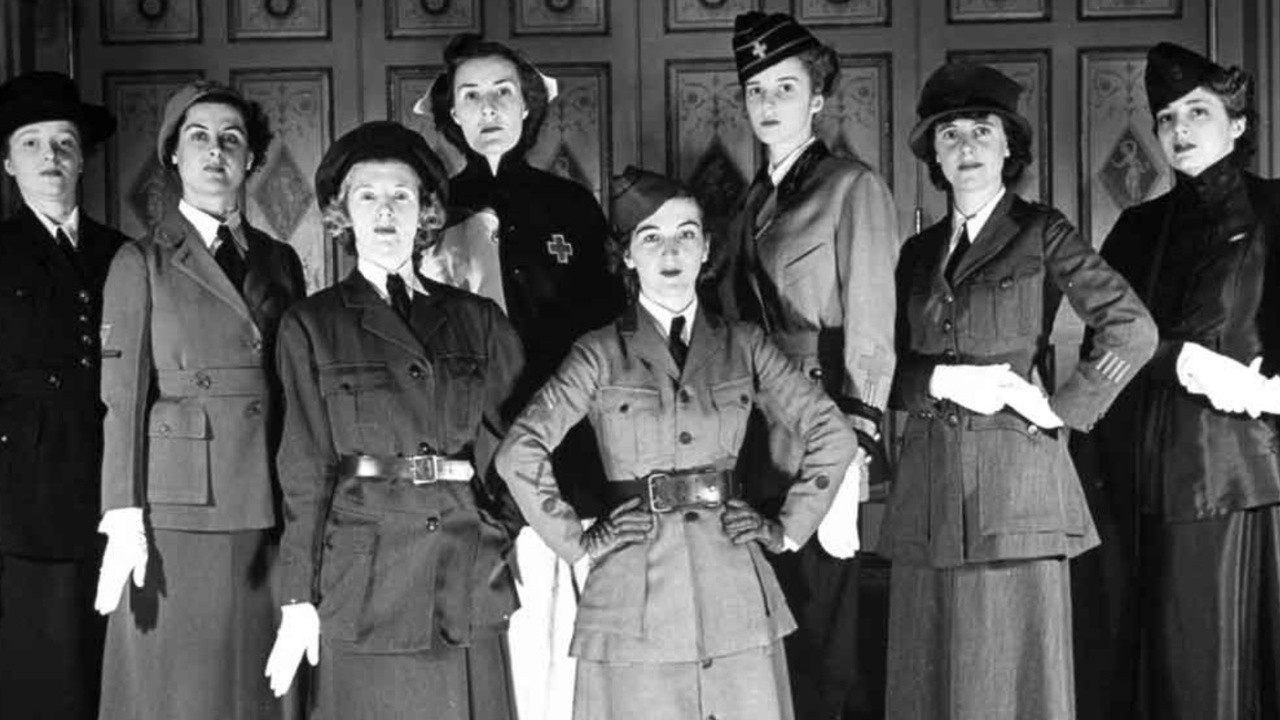
So, picture this: it’s 1942, and a quiet young woman in occupied Paris is buying a bunch of carrots at a market. She smiles at the vendor, chit-chats about the weather, and casually walks away with two Nazi officers’ travel plans hidden in the vegetable bundle. This wasn’t a movie. It was real. And her name was likely one of the thousands of women who turned the war upside down—using lipstick and lies as their weapons.
We all know the stories of dashing male spies like James Bond, right? Flashy cars, shaken martinis, the whole deal. But World War 2’s secret army was mostly female, and they didn’t need gadgets. They used their brains, their charm, and their incredible ability to be underestimated—which, let’s be honest, was their best trick. These women walked into the lion’s den wearing skirts and came out with secrets that changed history.
The Secret Army Nobody Talked About
Think about this: a woman entering a Nazi-occupied café was just “a woman.” Men noticed her, sure, but they usually dismissed her as a distraction. That was the point. Female spies like Nancy Wake (a.k.a. “The White Mouse”) used that invisibility to lead resistance networks, smuggle explosives, and even kill with her bare hands. Wake once cycled 500 kilometers across France to deliver coded messages—because her plane got shot down. Badass? Understatement.
Must Read
And it wasn’t just the famous ones. Local girls, housewives, even teenagers joined the fight. In Poland, young women like Krystyna Skarbek smuggled machine-gun parts in their handbags. In the Netherlands, nurses hid British pilots under their beds. And they did it all with a smile, because a suspicious face meant torture or death.
Why Were They So Good at This?
Here’s the irony: the same patriarchy that told women they were “too emotional” for combat made them perfect spies. Nobody suspected a woman carrying a baby stroller could be carrying a radio transmitter inside the diaper bag. (Sneaky, right?) Women could cry, flirt, or throw a fit to throw off guards—tactics that would’ve gotten a man shot immediately.
Take Virginia Hall, the Allies’ most wanted spy. She had a wooden leg (she called it “Cuthbert”), but that didn’t stop her from organizing guerrilla forces in France. The Gestapo once said they’d “give anything to catch that limping bitch.” She escaped through the Pyrenees mountains in winter, leg and all. Legend. Her only advantage? Being a woman who refused to be invisible.
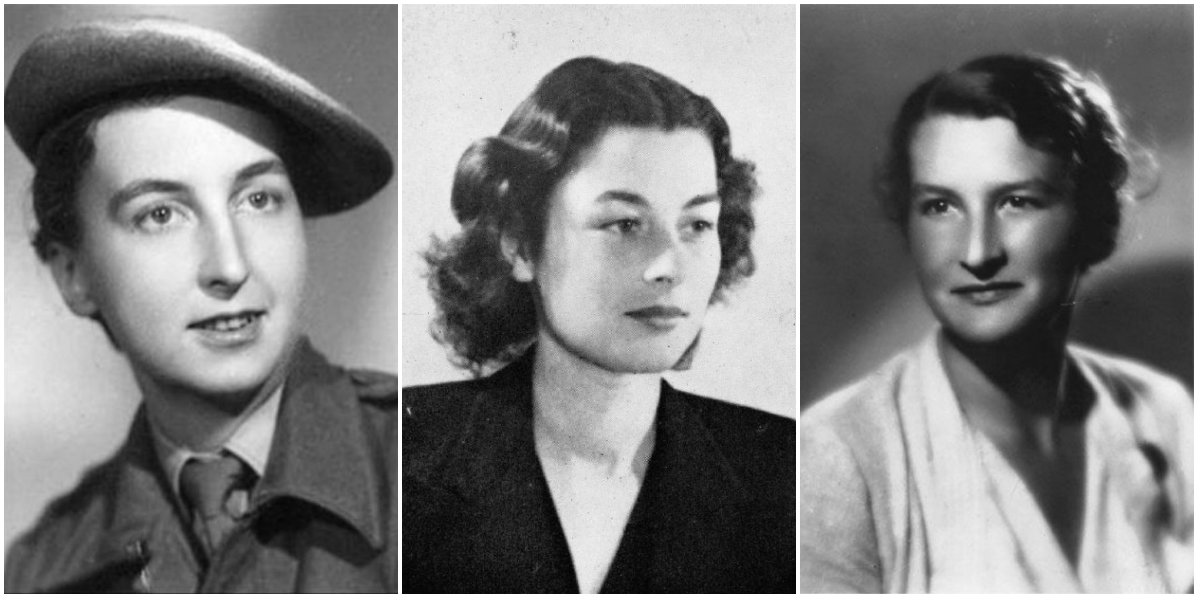 Famous Female Spies Ww2 – Women Who Risked Everything: Female Spies of
The Deadly Perks of Being a “Lady”
Spy life wasn’t glamorous—no fancy dresses, just constant fear. But some missions were almost comedic in their cleverness. British SOE agents learned to hide codes in knitting patterns (they’d drop a stitch to signal a meeting) or inside tubes of lipstick. Imagine a Nazi officer frisking you, and you just blush and say, “Oh, it’s just my rouge, you silly man.” Works every time.
But here’s the kicker: many women were trained to assassinate. Yes, with the same hands that sewed uniforms or read bedtime stories. One French agent, Yvonne Baseden, was just 22 when she parachuted into France to blow up bridges. She landed in a tree, swore like a sailor, then got to work. That is the energy we’re talking about.
The Price They Paid
Let’s not sugarcoat it: these women weren’t superheroes. They were terrified. Many were captured, tortured in places like Ravensbrück concentration camp, and executed. The Nazis hated female spies even more than male ones—they saw them as “unnatural.” Yet, very few betrayed their secrets. One captured agent, Violette Szabo, refused to talk even when the Gestapo broke her ribs. She was 23. That’s not courage; that’s steel.
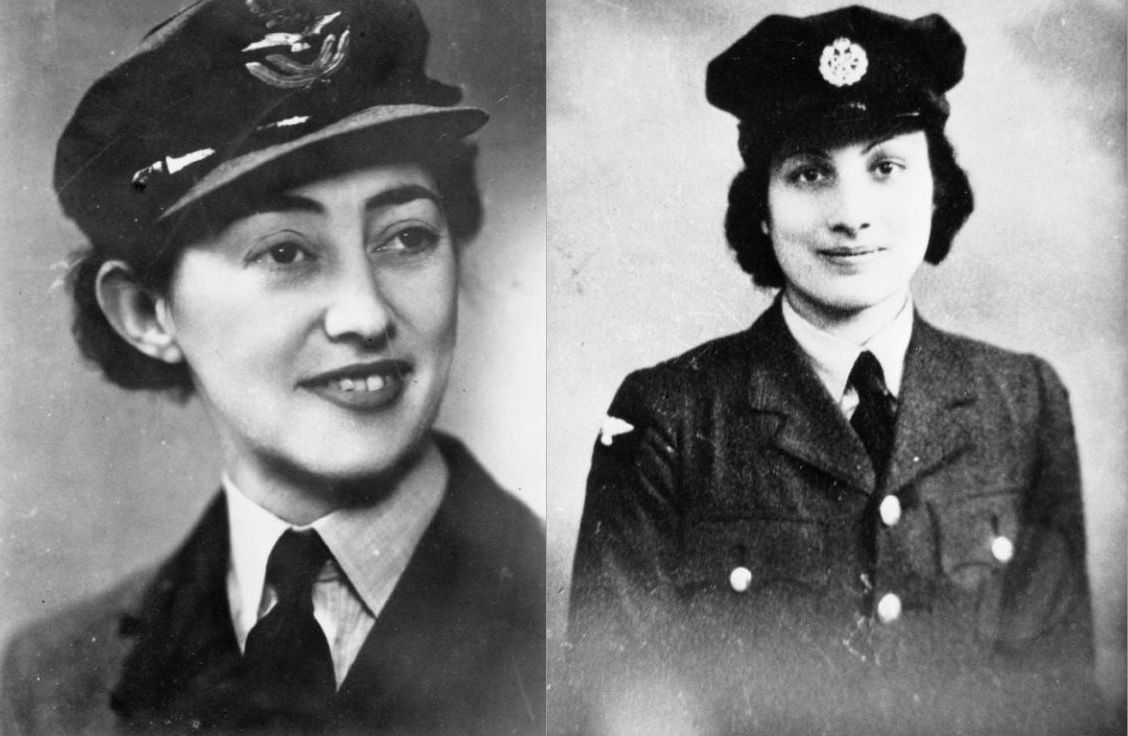 Ww2 Spy Death _ Phyllis Latour: The secret life of a WW2 heroine
And get this: after the war, many of these women were ignored. Governments didn’t talk about female spies because it “embarrassed” the old generals. They went back to being secretaries and mothers, living with PTSD and no recognition. Awful, right? It took decades for people to realize they were the unsung backbone of the war.
What We Can Learn from Their Lipstick Rebellion
Today, we often think of WWII as a “man’s war”—tanks, planes, big heroics. But these women proved that subtlety wins as often as strength. They used every tool they had, from a flirtatious wink to a paratrooper’s courage, and they did it because nobody expected them to. Isn’t that the ultimate middle finger to the system?
So next time you buy a bunch of carrots, remember: they might just be a cover for a revolution. These women weren’t waiting for permission. They were just waiting for a chance. And they took it, leaving a legacy more dangerous and inspiring than any spy thriller could ever write.