
So, you’ve got that little pilot light flickering away like a tiny, stubborn candle, but the main event? Nothing. Nada. Zip. You push the button, you wait, you maybe even whisper a little prayer to the gas gods. Still, no flames.
I’ve been there. It’s the fireplace equivalent of a car that starts but won’t drive. Frustrating, right? Let’s chat about why this happens, and more importantly, how to fix it without setting off your smoke alarm—or your temper.
First: Breathe. The pilot light is a good sign
Seriously, if the pilot stays lit, you’ve already won half the battle. Gas is flowing. The pilot assembly is doing its job. The problem is likely something simple—like a lazy part or a clogged tube.
Think of it like a campfire: the match works, but the logs are being stubborn. You don’t need to rebuild the whole forest. You just need to tickle the right valve.
The usual suspect: The thermopile is tired
This is the most common reason. The thermopile is a little metal sensor that tells the gas valve, “Hey, it’s safe! Open the big flames!” But if it’s old, dirty, or slightly loose, it sends a weak signal.
It’s like a sleepy security guard who mumbles, “Yeah, okay, I guess…” instead of shouting “ALL CLEAR!” The gas valve stays closed. The result? Pilot on, flames off.
Quick test: Grab a multimeter and check the millivolts at the thermopile. If it’s under 300, it’s time for a replacement. It’s a cheap fix, I promise.
Dirty pilot orifice or tube
Dust bunnies love gas fireplaces. Seriously, they hold secret meetings in there. A speck of dust or spider web can block the pilot’s gas flow or the main burner’s gas path.
If the pilot flame looks weak, blue, or lifts off the sensor, that’s your clue. It’s not roaring enough to heat the thermopile correctly. You can gently clean the pilot assembly with a can of compressed air (like for a keyboard). Don’t poke it with a toothpick unless you want a firework show.
The gas valve is having a tantrum
Sometimes the main gas valve just gets stuck. It’s mechanical; it happens. You might hear a faint clicking sound when you turn the knob to “ON.” If you hear nothing, the valve might be seized.
Try this: Turn the knob to OFF. Wait five minutes (safety first, friend). Then turn it to pilot, light it, hold the knob down for 60 seconds. Finally, slowly turn to ON. If you hear a soft “thunk” and see flames, you just talked it back to life.
If it still won’t cooperate, don’t force it. Call a pro. Gas valves are not a DIY playground.
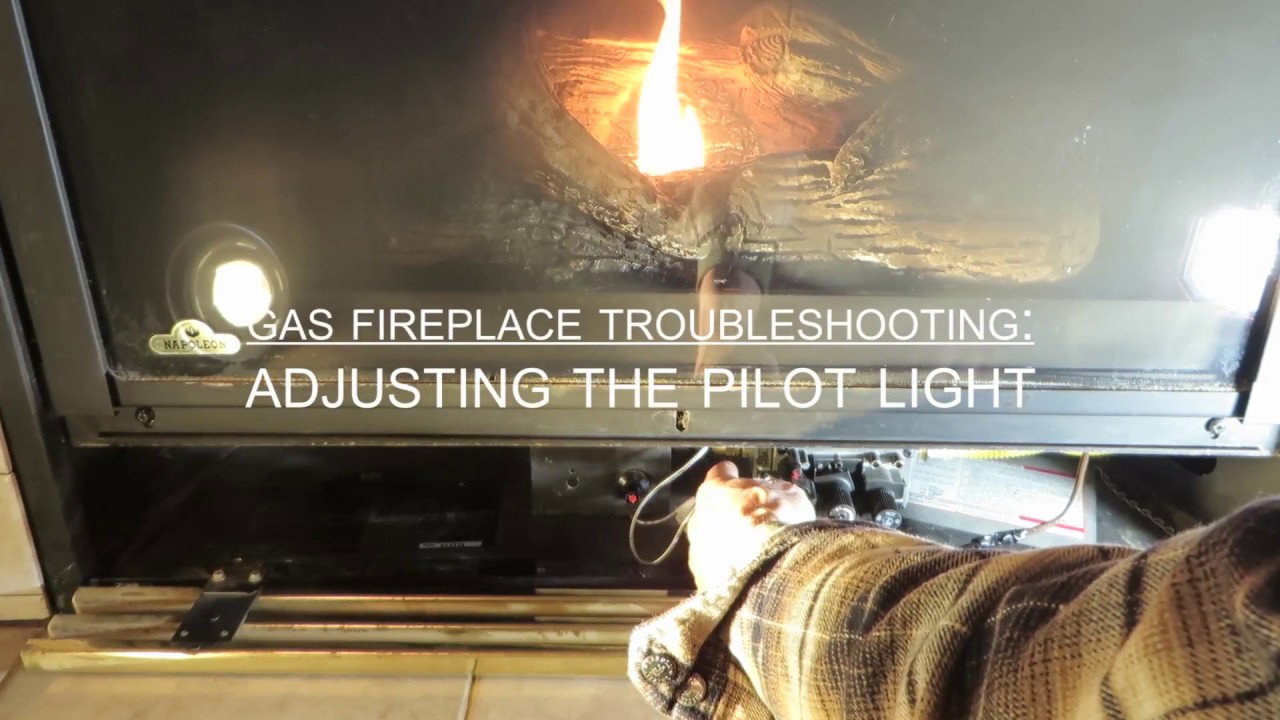 Pilot Light Fireplace
Less common but worth mentioning
A tripped thermal switch
Some fireplaces have a safety switch that kills the main burner if the unit gets too hot inside. It’s paranoid, but it’s protecting your house. If your fireplace ran for a while recently, let it cool down completely—like, two hours—then try again.
You might hear a tiny click as it resets. That’s the sound of relief.
The remote or wall switch is dead
This one makes me laugh every time. You’ve been troubleshooting for an hour, swearing at the pilot light, and the issue is a $1.50 battery in the remote. Check the batteries. Check the wires to the wall switch.
Fireplaces are fancy, but they’re still just appliances. Sometimes they need fresh AA’s.
When to wave the white flag
If you’ve cleaned the pilot, checked the thermopile, replaced batteries, and still see that stubborn little blue flame taunting you, stop. Gas work is not a guessing game.
Call a certified technician. They have fancy tools and insurance. Plus, they get to be the hero. You can just sit back, sip your coffee, and say, “I tried, but that valve knew it was dealing with a professional.”
A final, cozy reminder
Don’t let a dark fireplace ruin your evening. A pilot light is like a good friend who shows up early. It’s just waiting for the rest of the party to arrive. Clean the clog, tickle the valve, or call for backup.
You will have flames again. And when you do? That first crackle will sound like victory. You earned it.
Now go grab a blanket. You’ve got a fireplace to fix—and a nap to plan for later.