So, the other day I’m hiking in Iceland—yeah, I know, very dramatic of me—and I see this massive plume of steam just ripping out of the ground. It looked like the Earth was having a really bad cigarette habit. “That’s just geothermal,” my guide shrugged, as if volcanoes casually puffing vapor was totally normal.
But honestly? I couldn’t stop staring. Here was the literal guts of our planet, hot and pressurized, just venting into the sky. And Iceland? They’re not just looking at it; they’re using it. And that’s when the whole idea of geothermal clicked for me—not as a textbook concept, but as something raw, powerful, and honestly, a little bit pissed off.
So, what is this “Earth-snow” we’re talking about?
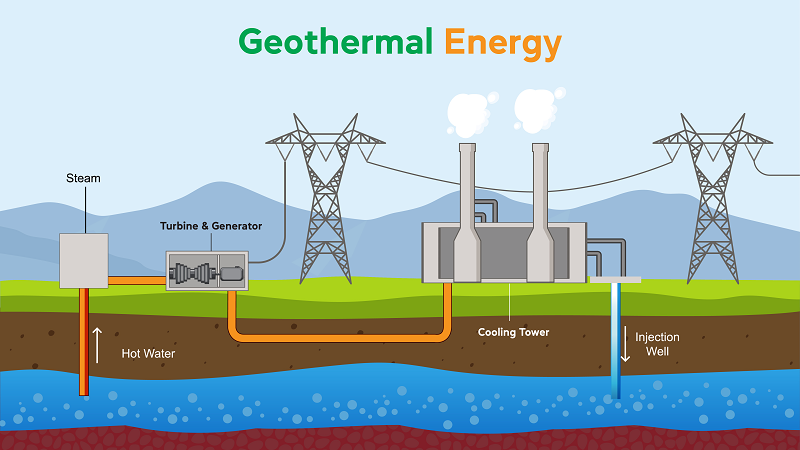
At its core, geothermal energy is just heat from inside the Earth. Deep underground, magma heats up water and rocks, sometimes to over 300°C. We drill a few kilometers down, tap into that hot water or steam, and use it to spin turbines. Simple, right?
Must Read
Unlike the sun or wind, this heat is always there. It doesn’t care if it’s cloudy, dead calm, or the middle of the night. That’s the sexy part—it’s baseload power, which is just fancy talk for “runs constantly.” (You’re welcome for the lingo.)
Why it’s cooler than your friend’s solar panels
Look, I love solar. It’s great. But when the sun goes down, your panels are basically fancy roof tiles. Geothermal? It’s like having a permanent, internal furnace that never runs out of coal. The Earth’s core is as hot as the sun’s surface—so we’re just scratching the surface here.
The carbon footprint is almost nothing. A geothermal plant emits about 5-10% of the CO2 of a natural gas plant. And it uses barely any land compared to a wind farm. Imagine a power plant the size of a soccer field powering a whole small town. That’s the scale we’re talking.
But here’s the kicker: it’s also quiet. No turbine whine, no blade shadows flickering in your living room. Just a low, constant hum. Very polite, really.
 Geothermal Energy Examples
The “But” (Because there’s always a “but”)
Okay, I’m not selling you a unicorn. Geothermal has some temperamental issues. First, you can’t just drill anywhere. You need specific geology: hot rocks close to the surface, plus water to carry the heat. That’s why Iceland, Japan, and parts of California are the poster children. The rest of the world? Not so much.
There’s also the initial cost. Drilling a deep well is expensive—we’re talking millions of dollars—with no guarantee you’ll hit a good spot. It’s a bit like buying a lottery ticket, but the ticket costs the same as a luxury car. (Yikes.)
Oh, and sometimes it triggers small earthquakes. “Induced seismicity,” they call it. Usually tiny, but a few magnitude-3.0 events have shaken people up. So yes, you might get a little rumble with your renewable power. Fun fact to tell neighbors.
New tech is solving the “location problem”
This is where it gets exciting. A new wave of systems—called Enhanced Geothermal Systems (EGS)—artificially creates the hot, wet conditions. Instead of relying on natural fractures, we fracture the rocks ourselves. It’s like we’re hacking the planet’s BIOS.
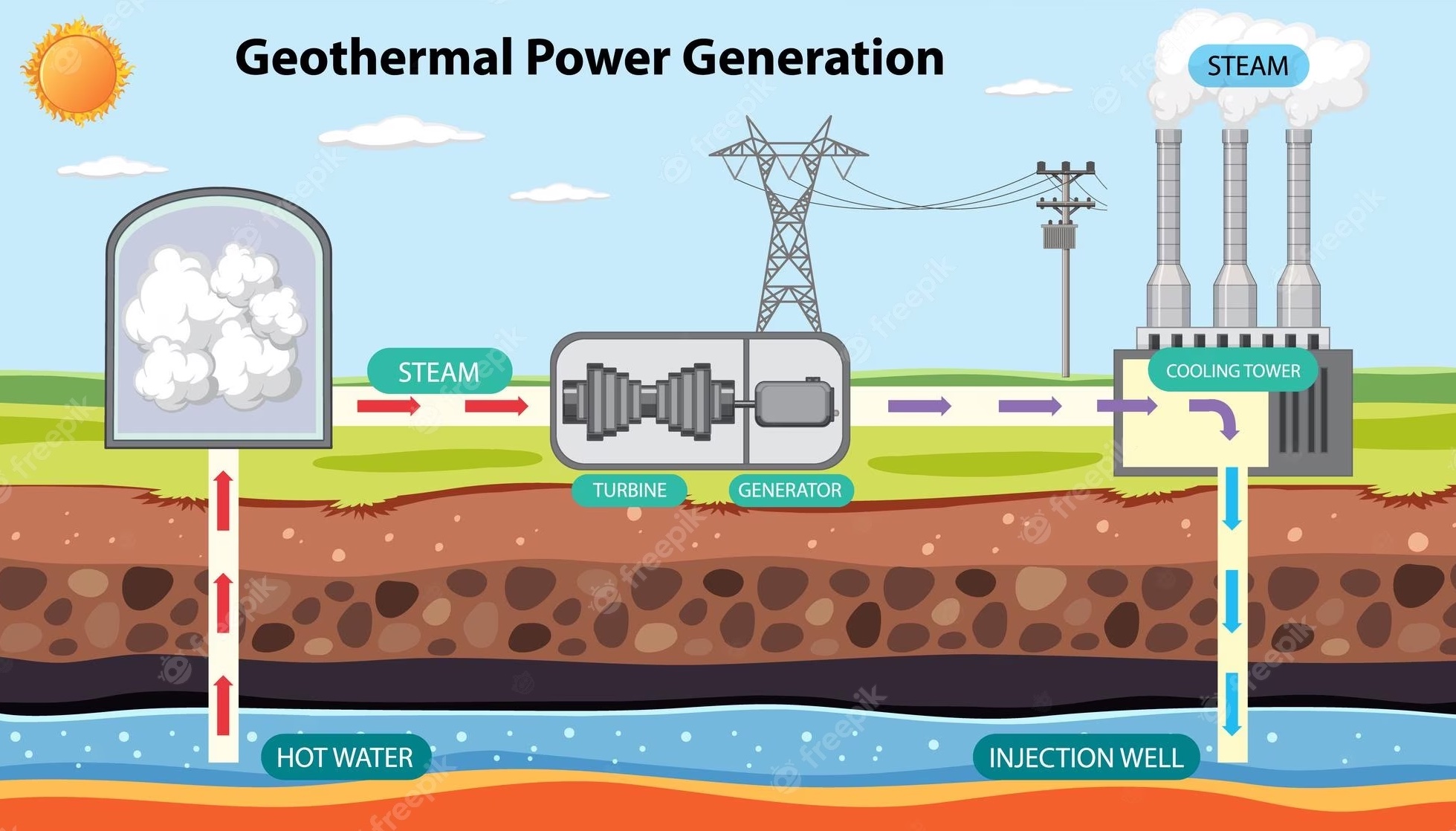 The Power Within: Unlocking the Potential of Geothermal Energy - Dyco
EGS could mean we can put geothermal plants almost anywhere. Even in places like Oklahoma or Texas, where the geology is mediocre. The U.S. Department of Energy thinks EGS could provide over 100 gigawatts of power by 2050. That’s about 100 nuclear power plants, without the waste.
There’s also binary cycle plants that use a secondary fluid (like ammonia) to turn turbines with lower-temperature water. This opens up huge swaths of the globe that have warm—not scorching—underground water. Suddenly, your backyard might have a tiny, quiet power plant.
Should you care? (Spoiler: yes)
Honestly? If you’re reading a blog post about energy, you’re already the kind of person who worries about climate change and energy security. Geothermal isn’t going to save the world overnight. But it’s one of the few renewable sources that can run 24/7, quietly, without needing batteries.
Imagine a future where your home’s heating and electricity come from a well in your own backyard. No reliance on foreign oil, no blackouts when the sun sets. Just the steady heat of the Earth, right under your feet. That’s not sci-fi. That’s Iceland, today.
So next time you feel the ground beneath you, remember: it’s not just dirt. It’s a slow, simmering furnace that’s been cooking for 4.5 billion years. And all we have to do is tap it. Pretty wild, right?