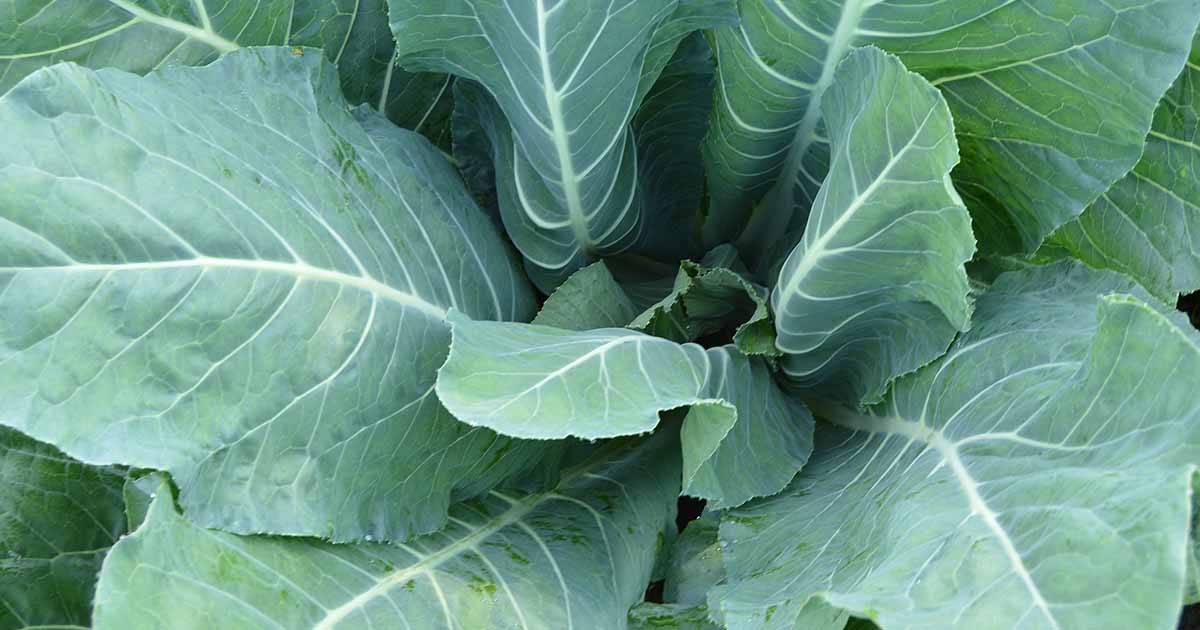
Imagine planting a row of cauliflower, watering it, watching it grow its big, floppy leaves, and then… nothing. No tight, white head appears. Just a leafy green plant staring back at you. At first, this might feel like a gardening fail, right? But what if I told you that this headless cauliflower is actually doing something incredibly cool?
It turns out that when a cauliflower refuses to form a head, it's often because the plant has decided to bolt. Bolting is just a fancy word for “I’m going to flower right now!” Instead of saving energy for one big, dense curd (the head), the plant shoots up a tall stalk and produces little yellow flowers. You might think you’ve lost the battle, but you’ve actually won a front-row seat to a fascinating botanical tantrum.
The Great Escape Artist
Think of a cauliflower head as the plant’s emergency savings account. It’s a tight cluster of undeveloped flower buds, all waiting for the perfect moment to bloom. If the weather gets too hot or too cold, the plant panics.
Must Read
“Whoa, it’s getting stressful out here!” the cauliflower whispers. “Time to cash in my savings and make babies.”
So it stretches upward. The head doesn’t form—or it forms a tiny, fuzzy mess—because the plant is using all its energy to race toward reproduction. It’s like a teenager deciding to skip homework to go to a party, except the party is making flowers.
Why This Is Actually Awesome
Here’s where it gets interesting: those yellow flowers that appear on your headless cauliflower? They’re edible. They taste mild and sweet, like a very delicate broccoli. You can toss them in a salad or use them as a fancy garnish.
And the leaves? Oh, the cauliflower leaves are a hidden gem. Steam them like collard greens or sauté them with garlic. They’re packed with fiber and have a cabbage-like crunch. Suddenly, your “failed” plant is a multitasking vegetable superstar.
 9 Cauliflower Head Disorders and How to Avoid Them
Plus, if you let the flowers go to seed, you can collect those seeds for next year. One plant can produce hundreds of seeds. That’s a whole free garden for the price of one mild panic.
The Science of the Stretch
Okay, so why does the plant do this? Cauliflower is a temperature snob. It wants consistently cool weather, like a cozy sweater day, every day. If it gets a heatwave (above 75°F or so), the plant’s internal alarm goes off.
It thinks summer is coming to scorch everything, so it must flower immediately. The same thing happens if it gets a sudden deep freeze. It’s basically a drama queen with a vegetable body.
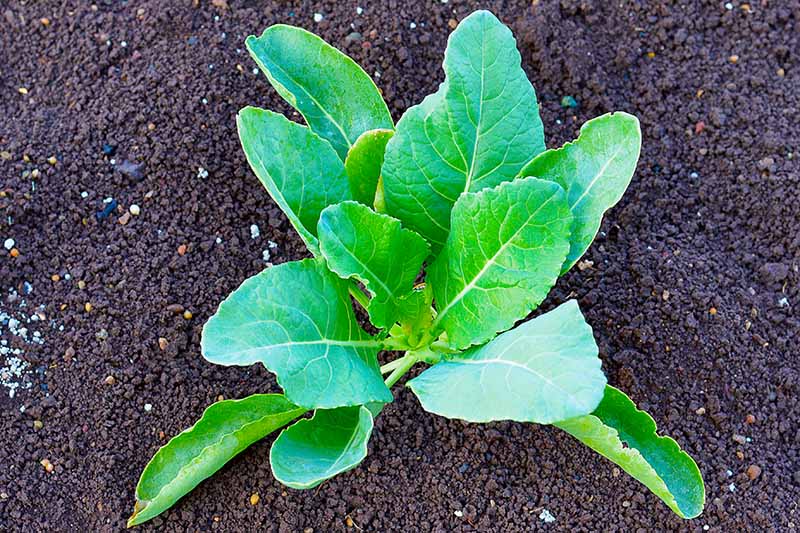
Another culprit? Stress from transplanting. If the roots get too disturbed when you move the seedling, the plant might go straight to survival mode. No head, just flowers. It’s like forgetting your luggage on a trip and having to buy all new clothes.
A Different Kind of Harvest
So, you’ve got a headless cauliflower. Now what? First, don’t pull it out in frustration. Let it bloom. The bright yellow flowers are beautiful and attract bees and butterflies to your garden.
 https://www.reddit.com/r/vegetablegardening/comments/193iqfl
Then, harvest the tender young flower stalks (they look like thin broccoli pieces). Stir-fry them with a little soy sauce. Or, pick the youngest leaves from the bottom of the plant. They taste much better than the old, tough outer leaves.
You can even try blanching the leaves—dipping them in boiling water for a minute—then freezing them for soups later. Your garden gave you a second chance; don’t waste it.
The Philosophical Cauliflower
Isn’t it weird how we’re taught that a vegetable must look a certain way to be “successful”? We crave that perfect, supermarket-white head, but nature doesn’t care about our aesthetic preferences. A headless cauliflower is proof that failure is often just a different kind of success.
It’s like expecting a friend to show up in a suit and tie, but they arrive in tie-dye and flip-flops. You can still have a great time—just a different kind of fun. The plant is still alive, still growing, still feeding you and the insects around you.
So next summer, if your cauliflower rebels and goes headless, don't sigh. High-five it. You now have a science experiment, a snack, a bouquet, and a seed bank all in one. Honestly, who needs a boring old head?