So, you’ve heard the phrase “heart failure,” and your brain immediately went to the worst-case scenario. Take a deep breath. I’m here to chat with you about life expectancy with heart failure, and we’re going to keep it real, but also a little bit fun. No doom and gloom allowed in this club, okay?
First, Let’s Rename This Thing
Honestly, “heart failure” sounds like your ticker flunked a final exam. It’s a terrible name! Your heart isn’t failing in the sense of quitting—it’s just working less efficiently than it used to. Think of it like your heart got a promotion to middle management and now it’s just tired all the time.
So, let’s call it “Heart on a Coffee Break.” It’s still pumping, just not with the same pep. And the good news? Modern medicine is like a really good barista for your heart—it can perk it right up.
Must Read
The Big Question: How Long Are We Talking?
I know you’re here for the numbers, so let’s crack that nut. Life expectancy with heart failure isn’t a one-size-fits-all answer—it’s more like a choose-your-own-adventure book. It depends heavily on the stage (Stage A, B, C, D), your age, other health issues, and how well you follow your treatment plan.
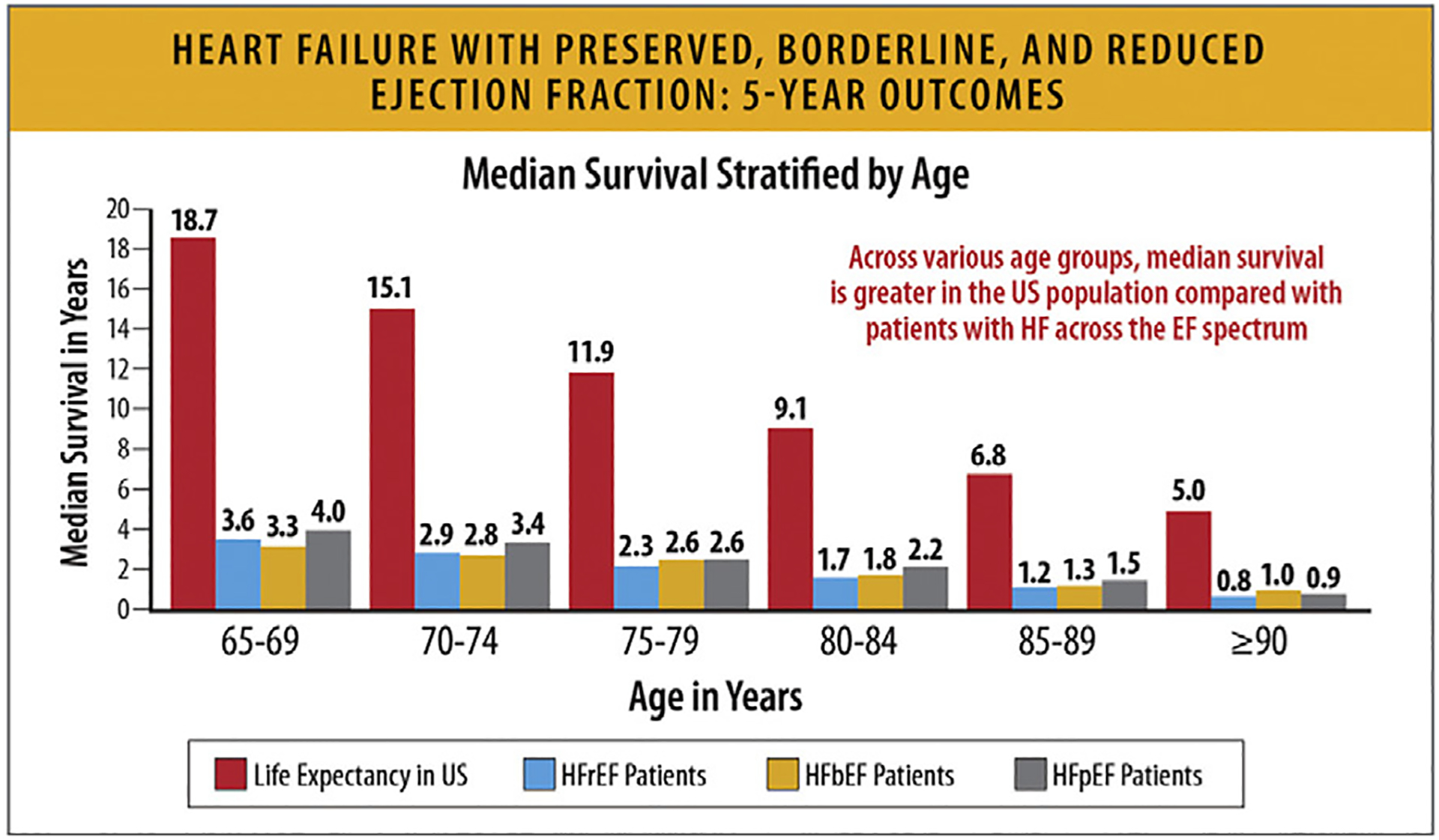
Statistically, about 50% of people live 5 years after a diagnosis. But that statistic is older than your grandpa’s jokes and doesn’t account for all the amazing new treatments we have today. Think of that number as a baselines, not your destiny.
Some people live 10, 20, or even 30 years after their diagnosis. Seriously. It’s not a death sentence; it’s a redirection. You’re just driving a slightly different car now—maybe a hybrid instead of a sports car.
The Secret Sauce: What Actually Helps
Your life expectancy isn’t written in stone; it’s written in pills, low-sodium snacks, and regular checkups. Here’s the not-so-secret recipe for a longer, happier life with heart failure.
First, medication adherence. Your doctor has a cocktail of drugs (beta-blockers, ACE inhibitors, etc.) that are basically superheroes for your heart. Skipping doses is like sending Superman on vacation—don’t do it!
Second, ditch the salt shaker. I know, it hurts. But salt is to heart failure what kryptonite is to Superman. Too much sodium makes your body hold onto water, which makes your heart work harder. Torture? A little. Worth it? Absolutely.
Third, move your body. No, you don’t need to run a marathon. A 20-minute walk or some gentle yoga counts as a victory lap. Exercise strengthens your heart muscle and improves your overall energy—which is a nice bonus.
 Congestive Heart Failure Life Expectancy
The Left Ventricular Ejection Fraction (LVEF) – The Fancy Term
Okay, let’s get nerdy for exactly 30 seconds. Doctors love talking about your “ejection fraction”—that’s the amount of blood your heart pumps out with each beat. A normal heart pumps out 50-70%. With heart failure, that number can dip.
But here’s the joke: yours can improve. Some people see their ejection fraction go up significantly with treatment. It’s like your heart suddenly remembered it’s supposed to be a bouncy castle, not a deflated pool float. So don’t let a low number freak you out—it’s just a starting point.
The Emotional Side: It’s Okay to Laugh (and Cry)
Living with heart failure is a rollercoaster. Some days you feel like the Energizer Bunny; other days you feel like the Energizer Bunny after it’s been run over by a truck. That’s normal. You’re allowed to have bad days.
But here’s the trick: don’t let the diagnosis steal your joy. I know a woman who has lived with heart failure for 15 years and still dances in her kitchen while cooking low-sodium pasta. She calls it her “heart failure shuffle.” Find your shuffle.
Surround yourself with people who get it—support groups, funny friends, or a therapist who doesn’t mind your dark humor. Laughter literally lowers your stress hormones, which is good for your heart. So go ahead, laugh at how ridiculous the word “edema” sounds (it’s just fancy swelling, okay?).
Technology is Your New Best Friend
Remember when your grandfather had heart failure and they basically just told him to “take it easy”? Welcome to the future! We now have pacemakers, defibrillators (ICDs), and even ventricular assist devices (VADs) that can literally pump blood for you.
These are not sci-fi gadgets; they’re real, and they’re adding years to people’s lives. Think of an ICD as a tiny paramedic living inside your chest, ready to shock your heart back into a normal rhythm during an awkward pause. How cool is that?
 Personalized lifetime prediction of survival and treatment benefit in
And for those who need a new heart? Heart transplants are more successful than ever. They’re like a trade-in for a gently used car, but way more expensive and with a cooler scar.
The Most Important Number
Let’s stop obsessing over “how many years” and start focusing on how you live those years. Quality over quantity, my friend. A person with heart failure can have a life filled with love, adventure, and even the occasional slice of cheesecake (low-sugar, obviously).
I’ve met people who’ve gone hiking, learned to paint, and even traveled the world with their oxygen tanks in tow. Their secret? They don’t let the diagnosis define them. It’s just a chapter in their book, not the whole story.
So, if you or someone you love has heart failure, take it day by day. Follow the plan, laugh at the absurdity, and never underestimate the power of a good playlist to make your heart feel lighter. Your heart may be on a coffee break, but it’s not retiring anytime soon.
Uplifting Conclusion (Let’s End on a Smile)
Imagine your heart as a slightly grumpy but loyal old dog. It might not chase squirrels like it used to, but it still wags its tail when you walk in the room. It’s still there, beating for you, every single day.
Heart failure life expectancy isn’t a countdown—it’s a call to action. It’s a nudge to savor your morning coffee, hug your loved ones a little longer, and appreciate the silly moments. You’re not a patient; you’re a heart warrior with a brilliant survival playlist and a killer low-sodium soup recipe.
So go ahead, give your heart a little fist bump. It’s doing its best, and thanks to modern medicine, a positive attitude, and a few good jokes, it’s going to stick around for a whole lot more. You’ve got this. And if you ever forget that, just remember: your heart may be tired, but it’s still tapping out a rhythm only you can dance to.