So there I was, a thirteen-year-old glued to the TV, watching a white-suited figure dust a doorknob for fingerprints. I was completely hooked. I turned to my mom and announced, "I’m going to be a crime scene investigator." She just nodded, probably thinking about all the expensive chemistry kits I’d soon be begging for.
Fast forward a few years (okay, more than a few), and I realized the job is way less about dramatic car chases and way more about patient, meticulous science. But the good news? It’s still incredibly cool—just in a "staring at a single hair for two hours" kind of way. If you’re like that younger me and want to trade your couch for a crime lab, let’s break down how you actually do it.
Forget the Hollywood Fantasy (Sorry)
First, a reality check: you won’t be interrogating suspects or solving the case in a single afternoon. Real CSI work is 90% documentation and 10% "aha!" moments. You’re a forensic scientist, not a detective—though sometimes your evidence is the star witness.
Must Read
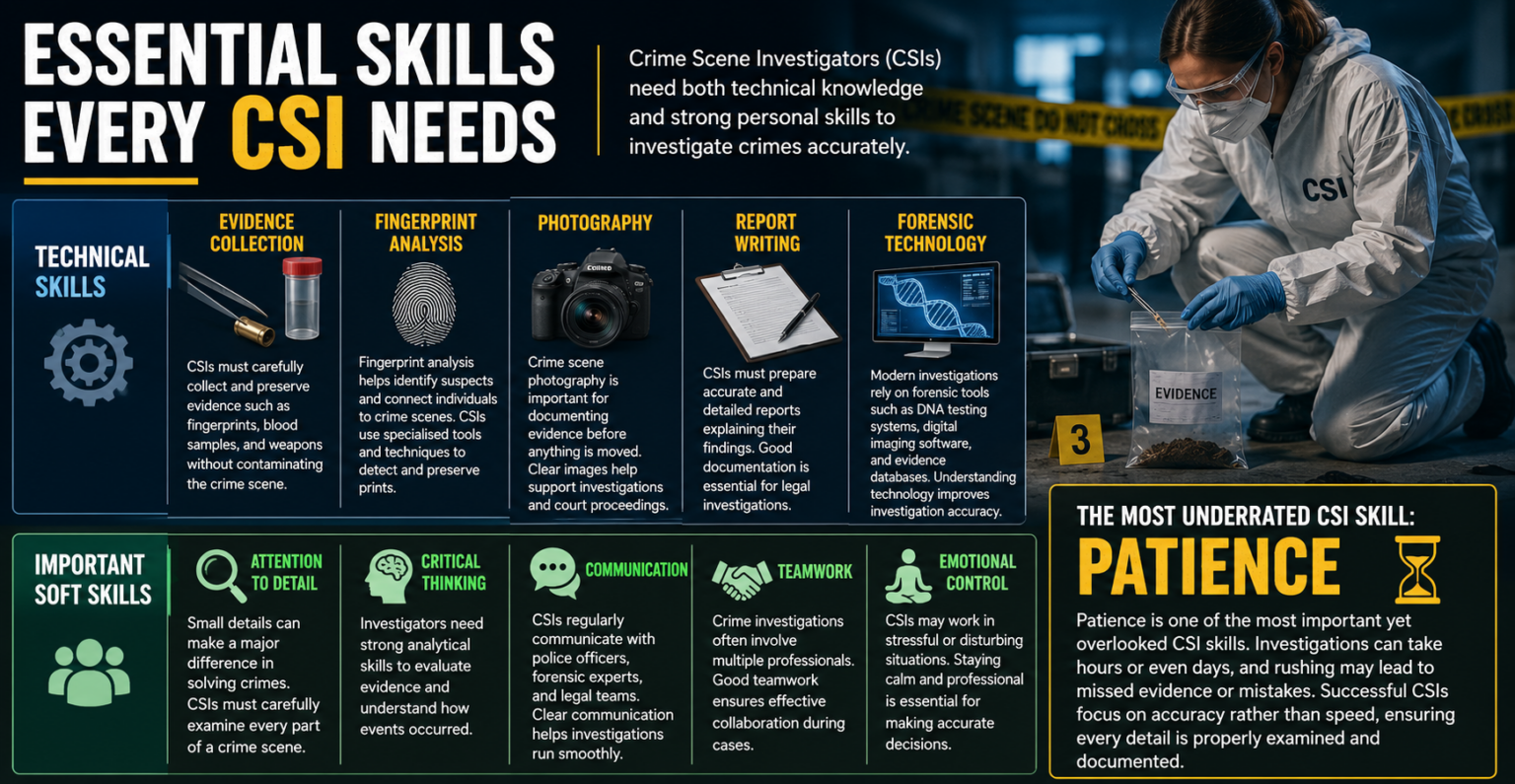
Your job is to collect, preserve, and analyze physical evidence. Think of yourself as a professional trash collector with a PhD in attention to detail. You’ll photograph bloodstains, bag fibers, and test for gunshot residue. Romantic? Not always. Fascinating? Absolutely.
Step One: Get the Right Degree (No Shortcuts)
You absolutely need a Bachelor's degree in a natural science—think chemistry, biology, or forensic science. Don't try to major in "Criminal Justice" and hope for the best. The lab requires hard science, and they will check your transcripts like a hawk.
Pro tip: pick a program accredited by the American Academy of Forensic Sciences (AAFS) or similar. It gives you a serious leg up. And yes, you will have to take organic chemistry. I know, I know—but it’s the price you pay for finding that teeny-tiny DNA sample on a gum wrapper.
Hands-On Experience is Non-Negotiable
While you’re in school, beg for an internship at a local crime lab or medical examiner’s office. Seriously, beg like your career depends on it—because it does. Labs want people who already know how to handle a microscope without fainting.
You can also volunteer with police departments during their mock crime scene exercises. It’s dorky, but it builds skills. Plus, you get to wear the Tyvek suit without anyone asking why you're dressed like a marshmallow.
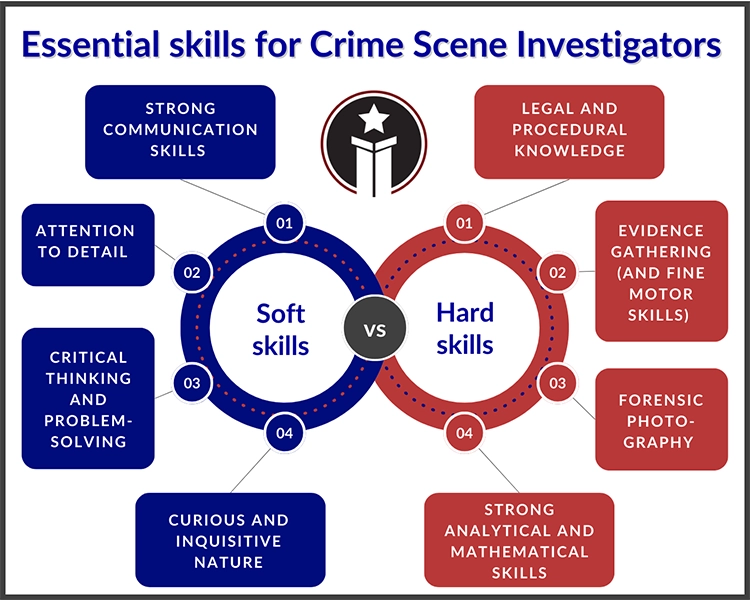 How to Become a Crime Scene Investigator (CSI Education & Salary)
The Dirty Secret: You Have to Pass a Background Check
This one trips people up. CSI work is sacred trust, and agencies will dig into your past like they’re exhuming a cold case. A DUI, drug conviction, or even a history of bad credit can disqualify you faster than you can say "chain of custody."
So, keep your nose clean. And while I’m at it—don’t run your own "experiments" at home. The police do not appreciate you testing luminol on your roommate's carpet just for fun. Trust me on this one.
Certification: The Golden Ticket
After you land a job (usually as a trainee), you’ll work toward certification. The International Association for Identification (IAI) offers credentials in things like fingerprint analysis and crime scene photography. It’s like a black belt for your resume.
Most labs require you to get certified within a few years of hiring. It involves passing a brutal exam and submitting casework for review. But once you have it, you become the unicorn of evidence geeks—and way more employable.
The Gritty Day-to-Day (What Nobody Tells You)
Here’s the part they skip in the TV shows: you will stand in the sun for eight hours at a decomposed crime scene. You will smell things that cannot be un-smelled. You will write reports so detailed that your hand cramps into a claw. Patience is not optional; it's the job.
 CSI UK Career Guide: How to Become a Crime Scene Investigator
But you will also get that rush when a latent print finally matches a suspect's pinky finger. You’ll feel like a hero in a lab coat, and honestly, that feeling is addictive. Just try not to shout "Eureka!" in the break room.
Alternative Routes: Don’t Have a Science Degree?
If you're already an adult with a degree in, say, English Literature (hi, I see you), don’t panic. Many community colleges offer a post-baccalaureate certificate in forensic science. It’s a one-to-two-year bootcamp that covers the essentials.
You can also start as a crime scene technician, which requires less education but more physical stamina. It’s the "boots on the ground" role. You collect the evidence; the lab nerd analyzes it. Both are vital, and both require obsessive attention to detail.
A Final, Slightly Ironic Thought
Becoming a CSI is about 20% cool science and 80% learning to tolerate bureaucracy. You’ll spend as much time defending your evidence in court as you do in the lab. But if you get a thrill from solving puzzles and can handle the gore, it’s the most satisfying job you never knew you wanted.
So go ahead, major in biology, practice your camera angles, and promise yourself you’ll never use the phrase "enhance" on a blurry photo. The world needs you—just make sure your fingerprints aren’t on the murder weapon when you show up for the interview. You’d be surprised how many people forget that.