So, you’ve had a little DIY hair-coloring adventure, and now your wall looks like it’s secretly auditioning for a punk rock band. Don’t panic! We’ve all been there, staring at a purple splotch that’s somehow more vibrant than our actual hair. The good news? You’re not stuck with a graffiti masterpiece forever—and you won’t need a sledgehammer.
Step One: Don’t Rub, Blot!
When you spot that fresh dye mark, your first instinct is to scrub like a maniac. Resist the urge, friend. Rubbing just pushes the pigment deeper into the paint’s pores, like a stubborn houseguest who refuses to leave.
Instead, grab a clean paper towel or a soft cloth and blot the stain. Press gently, like you’re dabbing tears off a crying kitten. You want to lift the excess dye, not grind it in like a secret handshake.
Must Read
If the dye is still wet, you’ve got a golden window of about five minutes. Work fast—but stay calm. You’re a dye-fighting ninja, not a frantic raccoon.
Step Two: The Magic Potion (aka Isopropyl Alcohol)
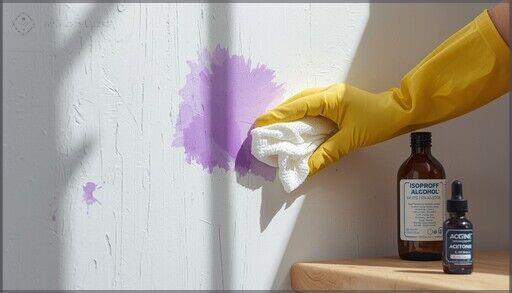
Here’s your new best friend: rubbing alcohol (70% or higher). It’s like kryptonite for fresh dye stains. Pour a little on a cotton ball or a clean rag—don’t drown it, just a damp hug of liquid.
Blot the stain again, but this time with purpose. You’ll see the color transfer to the cloth, like the dye is waving a white flag. Keep blotting until the cloth comes away clean.
Pro tip: If you don’t have rubbing alcohol, hand sanitizer works in a pinch. It’s basically alcohol with a degree in confidence. Just make sure it’s not the sparkly kind—nobody wants glitter on their wall.
What About Nail Polish Remover (Acetone)?
Yeah, acetone is a tough customer, but it’s also a bully. It can eat through paint and leave you with a sad, blotchy mess. Only use it if your wall is already a rental nightmare, and you’re ready to repaint anyway.
If you do try it, test a hidden spot first. Squirt a little on a cotton swab, rub a corner behind a picture frame, and wait. If the paint bubbles, run away and stick to alcohol.
But honestly? Alcohol is usually enough. Save the heavy artillery for when you accidentally dye your cat—which, let’s be real, is a different article entirely.
 How to Get Hair Dye Off Walls: Step-by-Step Cleaning Guide
Step Three: Dish Soap + Baking Soda (The Dynamic Duo)
If the stain is dried and stubborn, bring in the kitchen cavalry. Mix a paste of dish soap and baking soda—about two parts soap to one part soda. It should look like toothpaste, not soup.
Apply the paste to the stain with your finger or a soft toothbrush. Gently scrub in a circular motion, like you’re polishing a teacup. Let it sit for five minutes while you hum a victory song.
Wipe it off with a damp cloth. If the stain is still there, repeat the process. Baking soda is like a gentle exfoliant for walls—it buffs away pigment without scratching the paint’s face.
When to Bring Out the Big Guns: Hairspray
Here’s a weird life hack: hairspray is a surprisingly good stain remover for dye. The alcohol content in most sprays lifts the pigment, and the sticky residue? It actually helps loosen dried crud.
Spray it directly on the stain (don’t aim for your eyes, please). Let it foam for a few seconds, then blot with a paper towel. The dye will transfer, and your wall will smell like a hair salon from the 80s.
Just avoid using hairspray if your wall is painted with flat or matte paint. The chemicals can leave a shiny, ghost-like residue. Unless you want a wall that glows under disco lights—then go for it.
Step Four: Magic Eraser—But Be Gentle
If you’re a cleaning enthusiast, you probably own a magic eraser. These melamine sponges are basically sandpaper in disguise. They remove stains by micro-abrading the paint, so use a light hand.
 How to Remove Hair Dye from Walls? (3 Most Effective Methods)
Dampen the eraser, squeeze out excess water, and rub the stain in small circles. It’s like giving your wall a delicate exfoliating facial. Overdo it, and you’ll rub off the paint, revealing a patch of primer that looks like a bald spot.
For painted walls (especially rental apartments), this is a last resort. Better to try alcohol or soap first—ask the eraser to wait in the penalty box.
What If Nothing Works? (Don’t Cry)
Okay, real talk: sometimes dye wins. If you’ve tried everything—alcohol, soap, hairspray, and even a prayer to the cleaning gods—and the stain remains, it’s time to change tactics. You’re not defeated; you’re just pivoting.
Hide that stain like a pro. Hang a fun photo, a cute poster, or a tasteful sticker over the spot. Turn it into a “feature” by adding a tiny vinyl of a cat wearing sunglasses. Seriously, no one will know.
Or, if you’re feeling ambitious, touch up the paint. Get a sample pot from the hardware store (match the color as closely as you can). A small brush and ten minutes of effort can make that stain disappear into history.
The Uplifting Conclusion (You’ve Got This)
Look at you! You just learned how to wage war against hair dye on walls—and you didn’t lose your cool or your sanity. Sure, your bathroom might smell like a cocktail of rubbing alcohol and hairspray, but that’s just the scent of victory.
Remember: every little kitchen mishap or dye-splosion adds character to your home. They’re not stains; they’re stories. And now, you’ve got a story about the time you turned a cleaning crisis into a bonding moment with your wall.
So go ahead, rinse your sponge, roll your eyes, and give yourself a pat on the back. Your wall may never fully forgive you, but you’ll always be the hero who tried. And if all else fails? Just paint the whole room purple. It’s called a design choice.