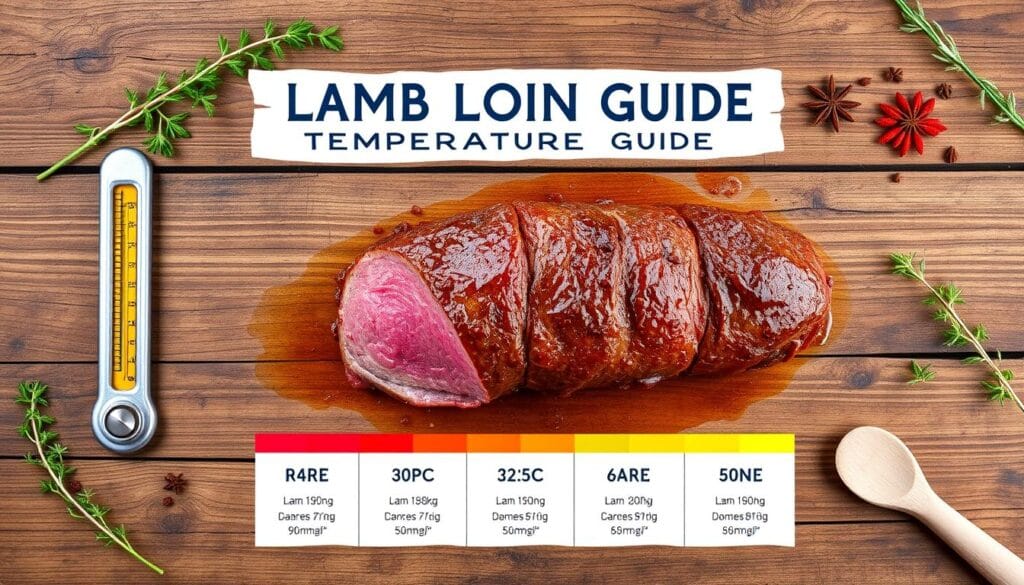
Let’s be honest—cooking lamb can feel a little bit like a pop quiz you didn’t study for. You’ve got the lovely roast or those cute little chops, but then that nagging doubt creeps in: Is it done yet? I remember the first time I made lamb for my in-laws; I poked it so many times my husband joked it looked like a pin cushion. So, let’s take the guesswork out of it together.
Why you actually need to know this (more than just avoiding a food fight)
Getting lamb right isn't just about avoiding a trip to the ER for food poisoning—though that is a big perk. It’s about not serving a piece of shoe leather that makes everyone reach for the ketchup in desperation. When you nail the doneness, the meat becomes buttery, juicy, and downright celebratory.
Think of it like this: properly cooked lamb is the difference between a story you tell with a smile and a cautionary tale about “that time we ordered pizza afterwards.” You care because you deserve to enjoy your meal, not just survive it.
Must Read
The trusty tools for your meat thermometer (your new best friend)
Forget everything your grandpa said about cutting into the meat and checking the color. The real champion here is a simple instant-read meat thermometer. It’s the cheat code for adulting—you just stick it in the thickest part, avoiding any bones, and get an instant yes or no.
If you don't have one yet, it’s a ten-dollar investment that will save you from a hundred dollars of ruined lamb. Seriously, it’s the difference between fear and freedom in the kitchen.
Here’s the temperature cheat sheet (the only numbers you need to remember)
People get fancy with words like “rose” and “blush,” but let’s keep it simple. For a medium-rare lamb, pull it off the heat when the internal temp hits 125-130°F (52-54°C). That’s the sweet spot where it’s pink, tender, and practically melts on your tongue.
Prefer it a little more done? Go for medium at 135-140°F (57-60°C). Just remember that it will continue cooking as it rests, a magic trick called “carryover cooking” that can bump the temp up another 5 degrees.
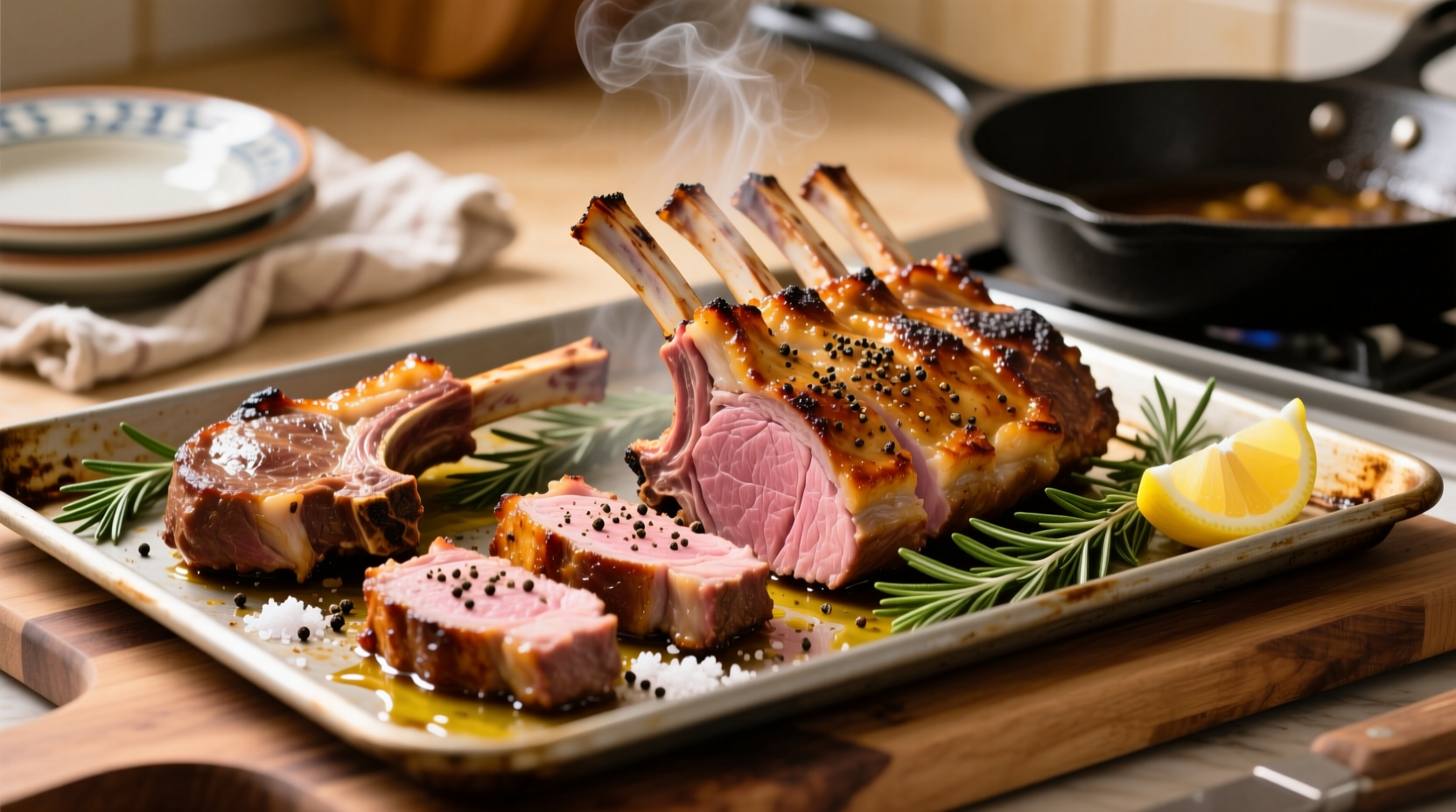 Perfect Oven-Cooked Lamb Chops: Simple Recipe & Tips
The “touch test” for when you’re out of gadgets
I get it—sometimes you’re at a barbecue and the only tool you have is your thumb. You can actually use the “hand test” to feel for doneness. Press the fleshy part of your palm just below your thumb with your other index finger.
Now relax your hand. The squishy spot there is what raw lamb feels like. Bring your thumb to your forefinger tip, and feel that same spot again—that’s medium-rare. Middle finger to thumb? That’s medium. Pinky to thumb? That’s well-done, and frankly, please reconsider.
Look, listen, and learn from the juice
Here’s a little story that might sound familiar. I once stood over a sizzling leg of lamb, convinced I heard it whisper “I’m ready.” The reality? I was just hungry. A better visual clue is the juice that seeps out when you lightly press the meat.
If the juices run clear or slightly pink, you’re in good shape. If they run red like a strawberry slushie, it’s too early. But don’t rely on this alone—it’s a hint, not a guarantee.
Don’t skip the rest (this is the secret part everyone forgets)
You’ve pulled your lamb off the heat at exactly 130°F. Victory! Then you carve it immediately… and all those precious juices run out onto the cutting board instead of staying in the meat. That’s a tragedy we can avoid.
 How to Tell When Lamb Is Cooked | Boneless leg of lamb, Roast lamb leg
Let your lamb rest for 10 to 15 minutes under a loose foil tent. During this time, the fibers relax and reabsorb the moisture. It’s like giving your meat a little spa break before the main event.
When in doubt, just cut a little peek
I know I said to avoid cutting into it, but sometimes you just have to. Slice a tiny incision near the center and take a look. The color should be a warm pink if you’re going for medium-rare, or a pale brownish-pink for medium.
If it’s grey throughout, you’ve accidentally made lamb-flavored jerky, and that’s okay—we’ve all been there. Next time, you’ll pull it off five minutes earlier. No shame, just learning.
A final word from your friendly neighborhood lamb enthusiast
The best way to know if lamb is cooked is to practice a little and trust yourself. Your family won’t mind if you check it three times with a thermometer—they’d rather have a perfectly pink chop than a dry, sad piece of meat.
So go on, give it a poke, use the tools, and remember: lamb is forgiving if you pay attention. And if all else fails? Just call it “rustic” and serve some mint sauce. You’ve got this.