
So there I was, knee-deep in a kitchen disaster that looked like a crime scene. I’d just hacked into a beautiful, earthy beetroot, and my white countertop looked like it had been splattered by a tiny, angry vampire. I stood there, holding the dripping half, thinking: Great, now what do I do with the other ten? Ever been there? It’s a classic gardener’s or market-hoarder’s dilemma.
That’s the exact moment I decided I needed a real strategy for storing fresh beetroot. Because let’s be honest, no one wants to eat beetroot salad every single day for a week just to avoid waste. Unless you’re trying to turn into a human purple sprinkle, that is.
The Big Secret: Don’t Wash Them Yet
Here’s the first rule of Beetroot Club: keep them dirty. I know, I know—it feels wrong, but that natural layer of soil is their best friend. That dirt acts like a protective shield, locking in moisture and keeping the skin from drying out.
Must Read
Washing beets before storage is basically asking them to shrivel up and sulk in your fridge drawer. Trust me on this one. I learned the hard way after a bag of sad, wrinkled beet balls made me question my life choices.
The "Snip the Tops" Trick (Your Mother Probably Told You)
Now, look at your beetroot. See those gorgeous green leaves sprouting out the top? Chop them off. Leave about two inches of stem attached—like a little mohawk. Those leaves are thirsty little vampires; they’ll suck the moisture right out of the root if you leave them on.
Don’t throw the greens away, though! That’d be a crime. They’re delicious sautéed with garlic, like a chewier, earthier spinach. Just store them separately in a damp paper towel inside a plastic bag. Your beets and your greens will both thank you.
The "Cool, Dark, Breathable" Method
If you’re a farmer’s market hero with a bushel of beets, don’t even think about the fridge. A cool, dark, and slightly humid place is their paradise. Think root cellar vibes, or a basement shelf that’s not too chilly.
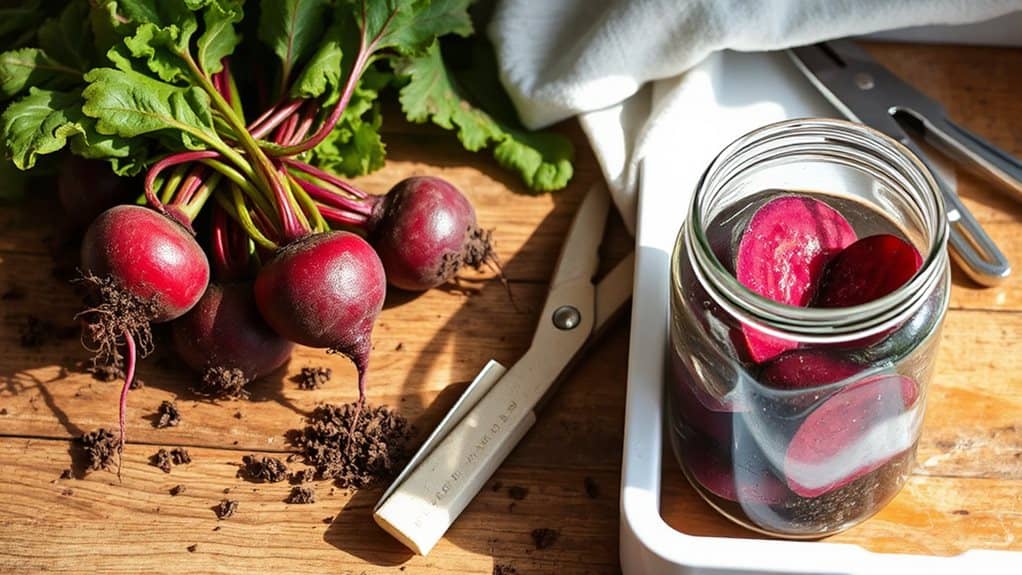 Optimal Beet Harvesting & Storage Tips for Freshness
Pop them in a crate or a paper bag—something that lets them breathe. A plastic bag will turn them into a sweaty, moldy nightmare faster than you can say "borscht." They’ll stay happy for weeks, maybe even a couple of months, just chilling in the shadows.
The Fridge is Fine, If You Do It Right
Live in an apartment with no basement? No judgment. The fridge works, but you’ve got to be smart about it. Grab a perforated plastic bag or a produce bag with holes—or just poke a few in a regular one with a fork.
Then, here’s the pro move: wrap each beet in a slightly damp paper towel before bagging them. That little bit of humidity? It’s like giving them a facial. They’ll stay firm and crisp for two to three weeks. Just check them weekly for any soft spots; one bad beet can ruin the whole party.
The Frozen Beetroot Hack (For the Lazy Genius)
Okay, but what if you’re like me and you bought a bag of beets, then immediately forgot about them for three weeks? Don’t panic. You can freeze beetroot—but only if you cook it first. Raw beets turn into a mushy, icy, sad mess in the freezer.
 How To Store Fresh Beets Out Of The Garden - Garden Likes
Roast or boil them until tender, let them cool, then slip the skins off (they’ll slide right off like a little purple glove). Chop or slice, then freeze in a single layer on a tray. Once they’re solid, toss them into a zip-top bag. Boom—instant additions to soups, salads, or dips for months.
A Word on Pickling (Because, Why Not?)
Let’s be honest: pickled beets are the dark horse of the vegetable world. If you’ve got a glut, pickle them. It’s absurdly easy—vinegar, water, sugar, salt, and maybe some dill or cloves.
Not only do they last for months in the fridge, but they also become this tangy, sweet, weirdly addictive snack. Plus, they make your fridge look like a jar of alien jewels. Science? Magic? Who cares.
The Final Rule: Check Your Ego (and Your Beetroot)
No storage method saves a beet that was already going bad when you bought it. Firmness is king. If a beet feels soft, spongy, or has wrinkles deeper than your uncle’s jokes, it’s a lost cause. Cook it immediately or compost it.
And hey, if you mess up and your beets look like they’ve given up on life, just roast them anyway. A little char and a drizzle of balsamic can fix almost anything. Almost. So go forth, store your crimson roots with confidence, and remember: the beet goes on.